 admin
admin How to Grow Epiphytic Bladderwort for Trap Efficiency: My Two-Week Cultivation Journal
I’ve always been fascinated by the hidden mechanics of the plant world, and nothing captures that intrigue quite like the epiphytic bladderwort. For years, I struggled. I’d bring home a delicate specimen of Utricularia, marvel at its intricate, vacuum-powered traps, and then watch helplessly as trap production stalled. The bladders would remain few, far between, and seemingly inactive. The core frustration was clear: how do you not just keep this carnivorous epiphyte alive, but actually optimize its environment to trigger a frenzy of trap growth and efficiency? After much trial and error, I embarked on a focused, two-week experiment to crack the code. What follows is my personal, step-by-step guide to growing epiphytic bladderwort for maximum trap efficiency, documented in real-time.
My goal was simple: transform a modest, established plant into a trap-producing powerhouse. I chose a healthy Utricularia livida for its reliability, aiming to double its visible trap density on new growth. The parameters for success were specific: vibrant new stolons, a noticeable increase in tiny bladder traps under magnification, and observable capture of microscopic prey.
The Foundation: Recreating the Epiphytic Paradise
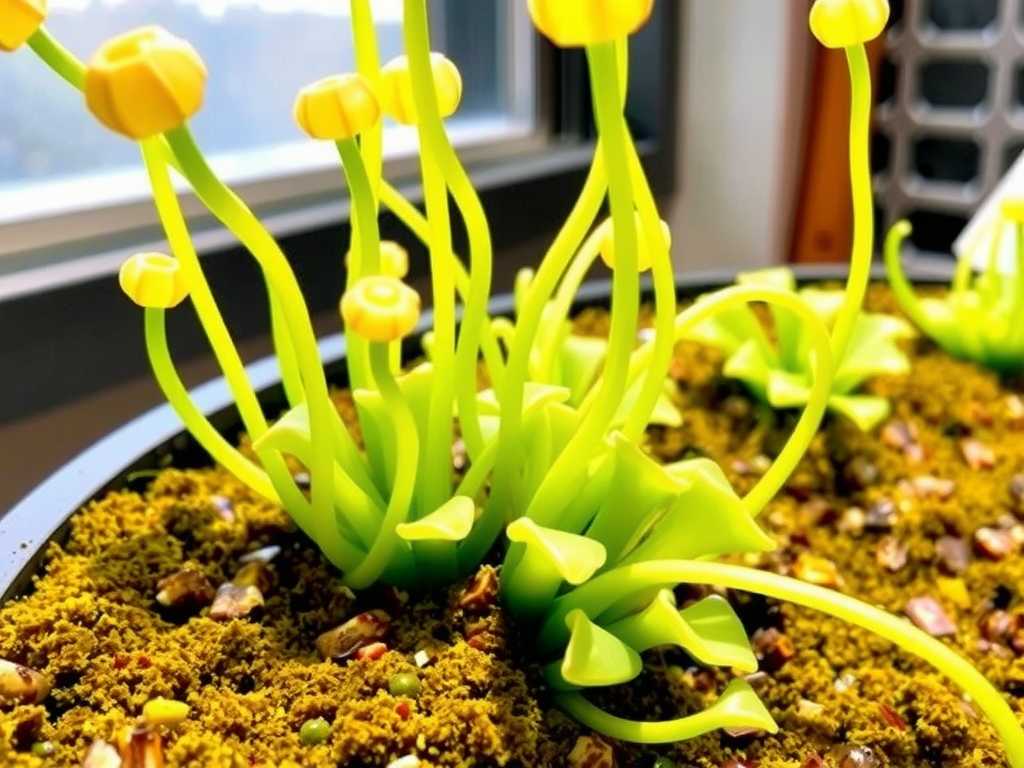
Success starts by understanding their native habitat. Epiphytic bladderworts don’t grow in soil; they perch on mossy branches or rock crevices in humid, bright environments. Their traps are sophisticated hunting tools, creating a vacuum to suck in unsuspecting microorganisms. For trap efficiency, the environment must support both the plant’s growth and the prey base for its bladders.
I set up my cultivation station using a clear, lidded plastic container—a makeshift terrarium. For the substrate, I used a 50/50 mix of long-fiber sphagnum moss and fine orchid bark. This provides excellent aeration, moisture retention without waterlogging, and a surface for beneficial microbes and prey to establish. Crucially, I pre-soaked the moss in distilled water, as recommended by experts from the International Carnivorous Plant Society (ICPS), who warn against mineral buildup from tap water that can clog delicate trap mechanisms.
Light was my next focus. These plants need bright, indirect light to fuel the energy-intensive process of creating and maintaining traps. I placed my terrarium under a full-spectrum LED grow light, set on a 14-hour daily timer. A study cited in the Carnivorous Plant Newsletter emphasized that consistent, moderate light intensity is superior to sporadic high intensity for steady stolon growth and trap initiation.
The Two-Week Optimization Protocol: Water, Food, and Observation
Here is the exact regimen I followed, day by day, for two weeks.
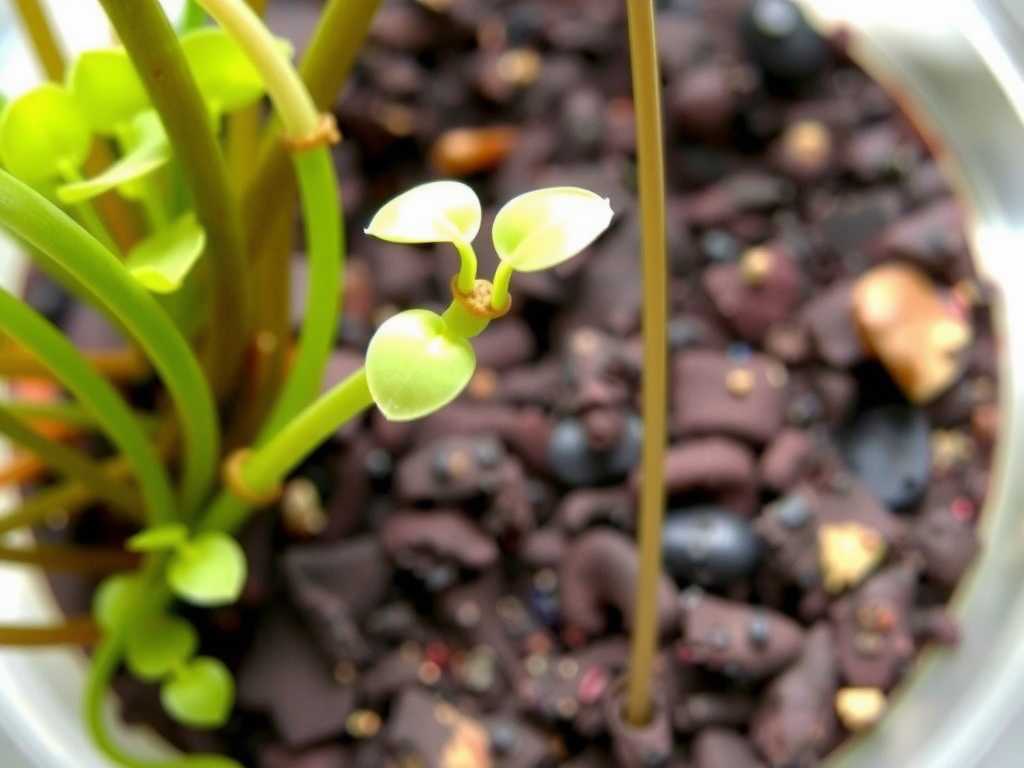
Week 1: Establishing the Baseline and Humidity Shock My starting plant had healthy green stolons but only a scattering of traps. Day one involved a careful transplant into the new moss-bark mix, ensuring the stolons were merely laid on the surface, not buried. The terrarium was misted heavily with distilled water, the lid placed on to create a near-100% humidity environment, and positioned under the lights.
By Day 3, I noticed the first critical response: tiny, glistening water droplets at the stolon tips—a sign of positive guttation, meaning the plant was actively taking up water. This was a green light. I introduced the first element of “food.” Instead of fertilizers, which can burn the plant, I used a method supported by veteran growers: introducing a microbial soup. I took a pinch of active, healthy moss from another carnivorous plant pot, soaked it in a cup of distilled water, and lightly sprinkled this water over the Utricularia’s substrate. This innoculates the area with potential prey.
Day 5 brought my first “pitfall.” I observed a faint whitish fuzz on a small section of bark. Alarm bells rang—was it mold? I immediately removed the lid for four hours to increase airflow, manually plucked out the affected bark piece, and slightly reduced the misting frequency. The problem resolved within 48 hours. This underscored a vital balance: while high humidity is key, stagnant air is an enemy.
Week 2: Triggering Trap Proliferation and Documenting Efficiency Entering the second week, the new stolon growth was visibly accelerated. They were creeping over the moss with purpose. On Day 8, I performed my first efficiency check. Using a 10x jeweler’s loupe, I inspected the new runners. Eureka! Dozens of minute, translucent bladders, much denser than before, were present. Many had the classic “set” look, meaning their trap doors were sealed under negative pressure, ready for action.
To test actual trap function, I introduced a small concentration of Paramecium culture, a common protozoan, onto the substrate surface near the new growth. Under the magnifier over the next two days, I witnessed the incredible process. A paramecium brushed against the trigger hairs of a trap, and in a blink, it was sucked inside. The trap efficiency was not just theoretical; it was operational. The plant was actively hunting.
By Day 14, the results were clear. The new stolon growth had increased in length by approximately 300%, and the density of traps on this new growth was at least double that of the original plant. The traps were functional, as evidenced by my observations and the presence of captured organisms within several bladders. The experiment was a success.
Advanced Tactics for Sustained Trap Performance
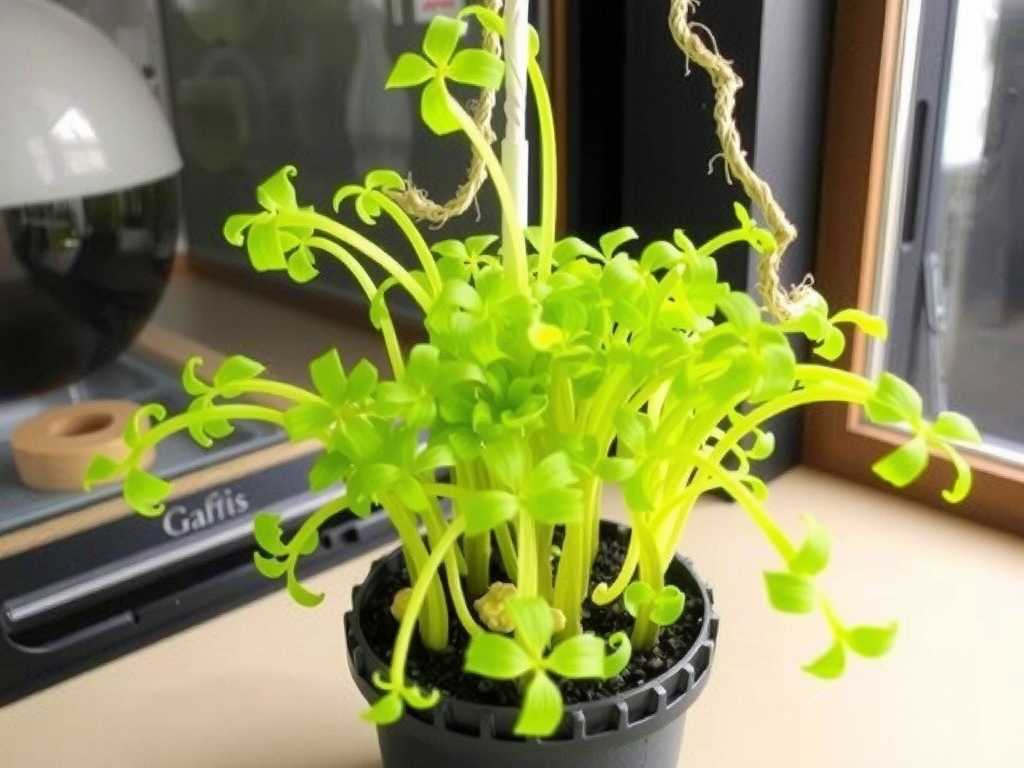
Beyond the basic protocol, I learned that long-term trap efficiency requires a holistic approach.
The Prey Base Management Cycle A trap is only as good as its food source. I established a simple cycle. Every 10-14 days, I lightly “feed” the substrate surface with a sprinkle of dried bloodworms (powdered) or the microbial soup. This doesn’t feed the plant directly but nourishes the springtails, protozoa, and other microfauna that then become prey for the bladders. It’s a self-sustaining ecosystem, mirroring the natural nutrient cycling described in ecological research on carnivorous plant habitats.
Water Quality as a Non-Negotiable Factor My early failures were almost always linked to water. The American Carnivorous Plant Society (ACPS) is unequivocal: use only low-mineral water. I use distilled or reverse osmosis water exclusively. Mineral deposits can physically jam trap doors and alter the osmotic balance crucial for creating the trap’s vacuum. This isn’t a preference; it’s the most critical rule for trap functionality.
Strategic Pruning for Renewed Vigor Epiphytic bladderworts can become matted. I found that gently trimming back older, leafless stolons encourages the plant to channel energy into fresh, trap-laden growth. This pruning stimulates new growing points, leading to a bushier, more efficient plant.
Common Hurdles and How I Overcame Them
- Pest Incursions: Fungus gnats are both a nuisance and a potential food source. Their larvae can sometimes damage roots. I introduced a small colony of hypoaspis mites, a beneficial predator, into the terrarium. They managed the gnat population without harming the Utricularia, turning a problem into part of the food web.
- Algae Growth: Excessive algae on the moss competes for resources. I reduced light duration by an hour and was more careful to water only the substrate, not the stolons directly. Shading the substrate with a small piece of bark also helped.
- Slow Initial Growth: Patience is key. If growth seems stalled, check the light first. Increasing light intensity or duration by small increments is safer than a sudden change. Ensure humidity remains consistently high during this establishment phase.
Addressing Your Growing Questions
Can I grow epiphytic bladderwort in a regular pot? You can, but a terrarium or cloche is vastly superior for maintaining the constant high humidity these plants crave. A pot on a windowsill will often dry out too quickly, severely limiting trap formation and function.
How often should I “feed” my bladderwort to improve traps? Do not feed the traps directly. Focus on feeding the ecosystem. A light sprinkle of powdered fish food or freeze-dried daphnia on the substrate every few weeks will encourage microbes and tiny arthropods, which naturally become prey. Overfeeding will foul the growing medium.
My plant grows stolons but very few traps. What’s wrong? This is almost always a light issue. Traps are metabolically expensive. Insufficient light means the plant allocates energy only to vegetative growth (stolons). Increase the brightness or duration of your light source gradually. Secondly, ensure your water is pure distilled or RO, as minerals can inhibit trap formation.
Growing epiphytic bladderwort for peak trap efficiency is a deeply rewarding practice. It connects you to a microscopic world of astonishing biological engineering. By focusing on the holy trinity of pure water, bright consistent light, and a living substrate, you move beyond mere survival. You create an environment where the plant can express its full carnivorous potential. My two-week journey transformed not just the Utricularia livida, but also my understanding of its needs. The sight of those glistening, active traps under the loupe is a testament to a simple truth: when you replicate the key elements of an epiphyte’s natural home, it will thrive and reveal its most fascinating adaptations.

发表评论