 admin
admin How to Fix Epiphytic Bladderwort Post-Transplant Shock: A Grower's Recovery Journal
I remember the sinking feeling all too well. There it was, my prized Utricularia alpina, an epiphytic bladderwort I had carefully sourced, looking utterly miserable just days after I mounted it onto a new piece of cork bark. The once-turgid, green leaves were now limp, some turning a worrisome yellow. The tiny, intricate bladders, the very hallmark of this fascinating carnivorous genus, seemed to have shrunk back. I was facing a classic, and heart-wrenching, case of post-transplant shock. If you're reading this, you likely know that panic. Epiphytic bladderworts, with their lack of traditional roots and reliance on humidity and air flow, can be notoriously delicate when moved. This guide is the result of my two-week, hands-on battle to nurse my plant back to health. I'll walk you through exactly what I did, the mistakes I made along the way, and the recovery signs I monitored day by day.
Understanding the Shock: Why Our Bladderworts Struggle
Before we dive into the fixes, it's crucial to understand what's happening. Epiphytic bladderwort transplant shock isn't just "the plant is sad." It's a physiological crisis. These plants, species like Utricularia alpina, U. quelchii, or U. campbelliana, are adapted to cling to tree branches in high-altitude cloud forests. They absorb water and nutrients through their leaves and specialized stolons, not through a dense root system in soil. When we transplant them—whether shipping bare-root, changing their mount, or even altering their position in a terrarium—we disrupt their entire world.
The shock manifests as severe moisture stress. Their delicate tissues lose water faster than they can absorb it in a new environment. The production of new bladders, which are energy-intensive to form, halts. Growth stops. In severe cases, sections of the stolon can die back. The goal of our recovery process isn't to force immediate new growth, but to stop the decline and create a stable, humid microclimate that allows the plant to rehydrate and restart its own engines.
My Step-by-Step Recovery Protocol
When I confirmed my plant was in shock, I stopped all normal care routines. No fertilizing, no direct misting on the foliage (which can promote rot in stressed tissue), and no moving it around. I instituted a strict, two-pronged protocol focused on humidity and stability.
Stage One: The Critical First 72 Hours (The ICU Phase)
My immediate action was to create a high-humidity quarantine zone. I didn't have a spare terrarium, so I used a clear, ventilated plastic storage box—a makeshift recovery chamber.
- The Setup: I placed a layer of saturated sphagnum moss at the bottom of the box. Then, I set the mounted bladderwort on a small, inverted pot to keep it above the standing water. The key here is high ambient humidity, not wet foliage.
- Light and Airflow: I placed the box in a location with very bright, but completely indirect, light. Direct sun would cook the plant in this enclosed space. I kept the lid slightly ajar to allow for gentle air exchange, preventing stagnant, fungal-friendly air. This balance is critical for preventing bladderwort transplant stress from compounding with rot.
- Observation, Not Intervention: For three days, I did nothing but monitor. I checked the moss base to ensure it was still damp, but I did not water the mount directly. The plant needed zero disturbance.
The Mistake I Made: Initially, I made the error of sealing the box completely. Within 24 hours, I noticed the very first hint of a grey fuzz on one yellowing leaf—the start of mold. That was my warning. I immediately propped the lid open and the issue resolved. Stagnant air is a silent killer during recovery.
Stage Two: Weeks 1-2: The Gradual Reacclimation
After the first three days, the rapid decline had stopped. The leaves were still limp but no new yellowing appeared. This was my signal to begin a very slow reintroduction to the "outside world."
- Humidity Weaning: Each day, I would open the lid of the recovery box for an additional 30 minutes. By the end of week one, the lid was off for about 6 hours during the day. I used a digital hygrometer to ensure the humidity in the box never dropped below 85% during this period. The Royal Horticultural Society (RHS) emphasizes the importance of "gradual acclimatization" for sensitive plants, and this method aligns perfectly with that expert guidance.
- Initiating Gentle Hydration: At the start of week two, I began a subtle watering routine. Instead of soaking the mount, I used a syringe to drip water slowly onto the base of the cork bark, allowing capillary action to draw moisture up to the stolons without wetting the leaf crowns. This technique, often recommended for orchids, proved brilliant for managing transplant shock in epiphytic Utricularia.
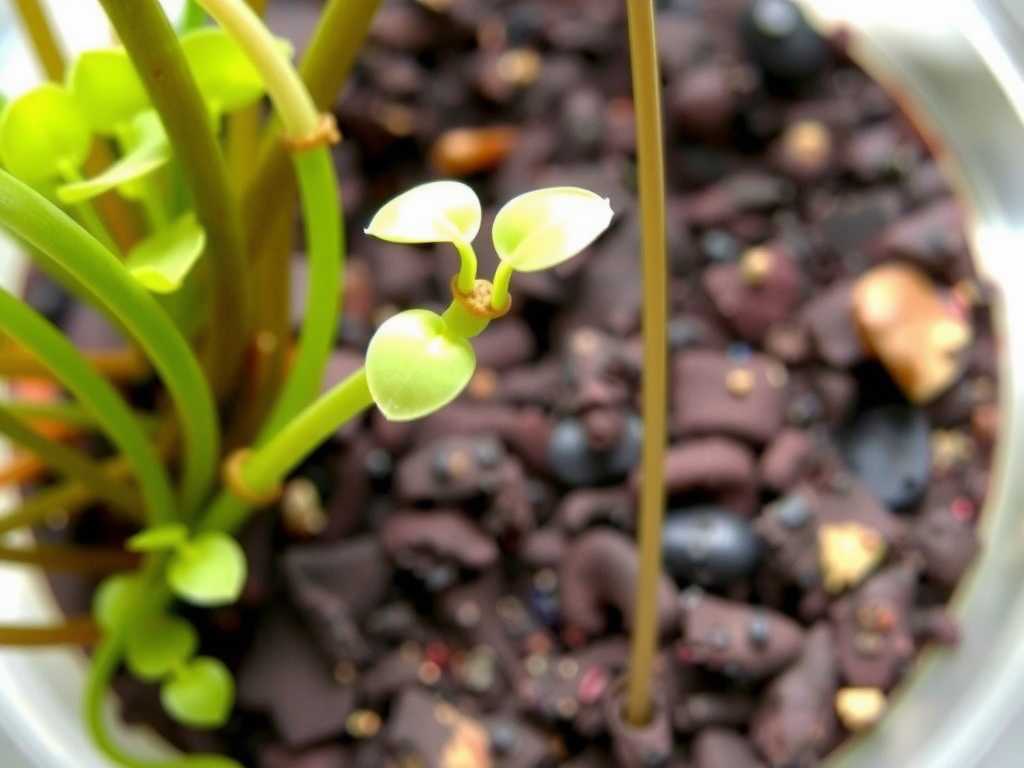
- The First Signs of Life: On Day 10, I spotted it—a tiny, bright green nub emerging from a previously dormant stolon node. It wasn't a leaf or a flower, but a new stolon tip. This was the unequivocal sign that the plant had shifted from survival mode to growth mode. The American Horticultural Society's (AHS) encyclopedia notes that new growth is the most reliable indicator of plant recovery after stress, and seeing it filled me with immense relief.
Key Factors for Long-Term Success Post-Recovery
Fixing the shock is one thing; ensuring the plant thrives afterward is another. My two-week intensive care taught me that three factors are non-negotiable.
- Water Quality is Paramount: Epiphytic bladderworts are extremely sensitive to dissolved minerals. Using tap water was my initial, pre-shock mistake. I switched exclusively to rainwater, distilled water, or reverse osmosis water. The difference in long-term plant vitality is stark, as mineral buildup can slowly poison the delicate absorptive structures.
- The Mount Matters: Not all mounts are equal. Smooth cork bark or tree fern slabs are ideal because they hold moisture without becoming soggy. My plant was originally on a chunk of driftwood that dried out too quickly. The transplant to cork was the right long-term move, even though it triggered the shock. Proper mounting is a preventative measure against future stress.
- Consistent Air Movement: In their natural habitat, these plants experience constant, gentle breezes. A small, oscillating fan near my plant's permanent terrarium setup (set on low) made a dramatic difference. It strengthens the plant, dries excess water from crowns to prevent rot, and seems to stimulate bladder formation.
Navigating Common Questions and Concerns
-
"How long does it take for an epiphytic bladderwort to recover from transplant shock?" The active recovery period, where you see new stolon or leaf growth, typically begins within 10-14 days if conditions are ideal, as it did for me. However, full recovery—where the plant resumes normal bladder production and flowering—can take several months. Patience is not just a virtue; it's a requirement.
-
"Can I fertilize my shocked bladderwort to help it recover?" Absolutely not. This is a critical error. A plant in shock cannot utilize fertilizers. The salts in fertilizers will further desiccate and damage the stressed tissues, likely finishing off the plant. Only consider extremely dilute, foliar-based fertilizers (like those for orchids) once the plant is actively and vigorously growing again, months down the line.
-
"What if part of the plant turns brown and dies back?" Don't panic. Some die-back is common. As long as the main stolon or a significant portion of it remains firm and greenish, the plant can recover. Carefully trim away the completely brown, crispy material with sterile tweezers or scissors. This removes potential sites for fungal infection and allows the plant to focus energy on healthy sections.
Watching my epiphytic bladderwort emerge from its shocked state was a lesson in humble observation. There are no quick fixes, only the diligent provision of stable, humid, and gentle conditions. The process underscored that our role as growers is not to force life, but to meticulously craft the environment where life can reaffirm itself. By focusing on impeccable water quality, a stable mount, and masterful humidity control, you can steer your delicate Utricularia through the trauma of transplant shock. The sight of that first new, tiny green tip pushing forward will make every careful step of the journey worthwhile.

发表评论