 admin
admin How to Grow Epiphytic Bladderwort for Vigorous Growth
I’ve always been fascinated by the quirky, almost alien world of carnivorous plants. But when I first brought home an epiphytic bladderwort, I was completely stumped. This wasn’t a Venus flytrap sitting happily in a sunny bog. Here was a delicate, seemingly rootless plant that supposedly grew on air and hunted with microscopic, underwater traps. My initial attempts were a disaster. It either dried out into a crispy brown thread or melted into a slimy mess. The promise of its unique, tiny flowers felt like a distant dream. If you’re struggling to keep your epiphytic bladderwort alive, let alone thriving, I understand your frustration completely. After months of trial, error, and meticulous observation, I’ve cracked the code for vigorous growth. This guide is the one I wish I had, detailing every step, every mistake, and the simple solutions that finally led to success.
Understanding Your Epiphytic Bladderwort
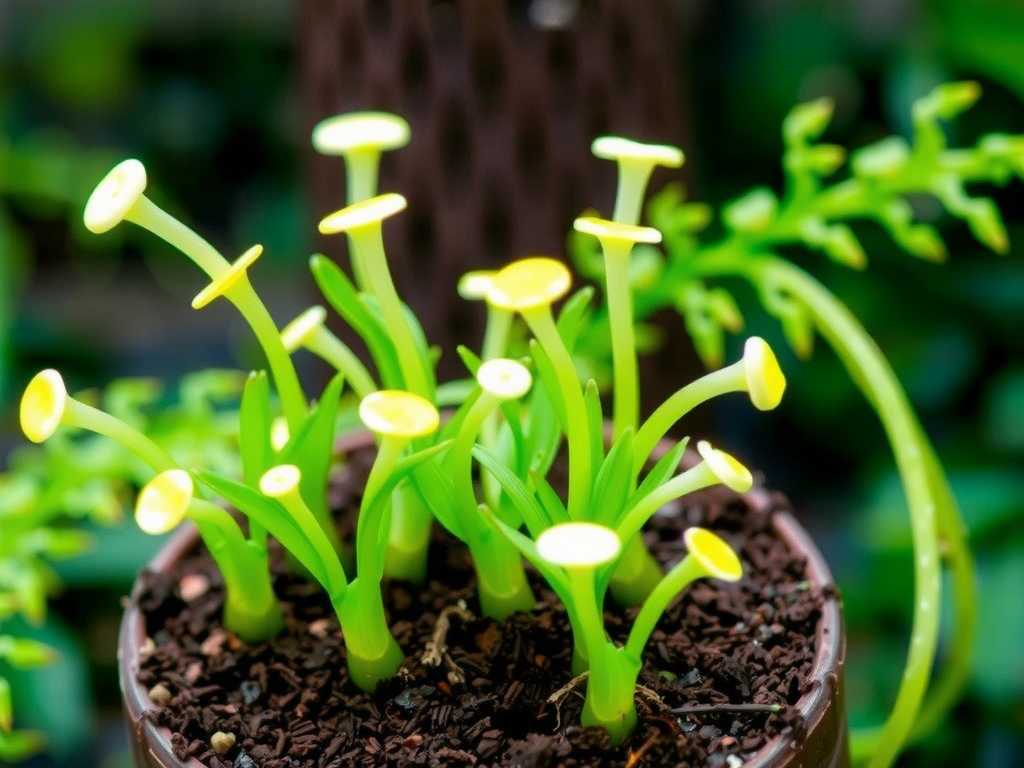
First, let’s ditch the wrong mental model. Epiphytic bladderworts (primarily species like Utricularia alpina, U. quelchii, or U. asplundii) are not terrestrial. They hail from cloud forests and humid highlands, clinging to mossy tree branches or rock faces. They don’t have true roots. Instead, they possess photosynthetic stolons that absorb moisture and nutrients from the air and rain. Their famous “bladders” (utricles) are on specialized, fine, leafless stems that often dangle or weave through the moss, capturing minute organisms in their wet environment. According to the International Carnivorous Plant Society (ICPS), attempting to grow these species in waterlogged soil like their aquatic cousins is the most common reason for failure. Their needs are specific: constant high humidity, perfect air circulation, and a very particular substrate.
My Setup for Success: A Step-by-Step Breakdown
After losing a few plants, I decided to start from scratch, documenting a two-week intensive observation period to see what truly worked.
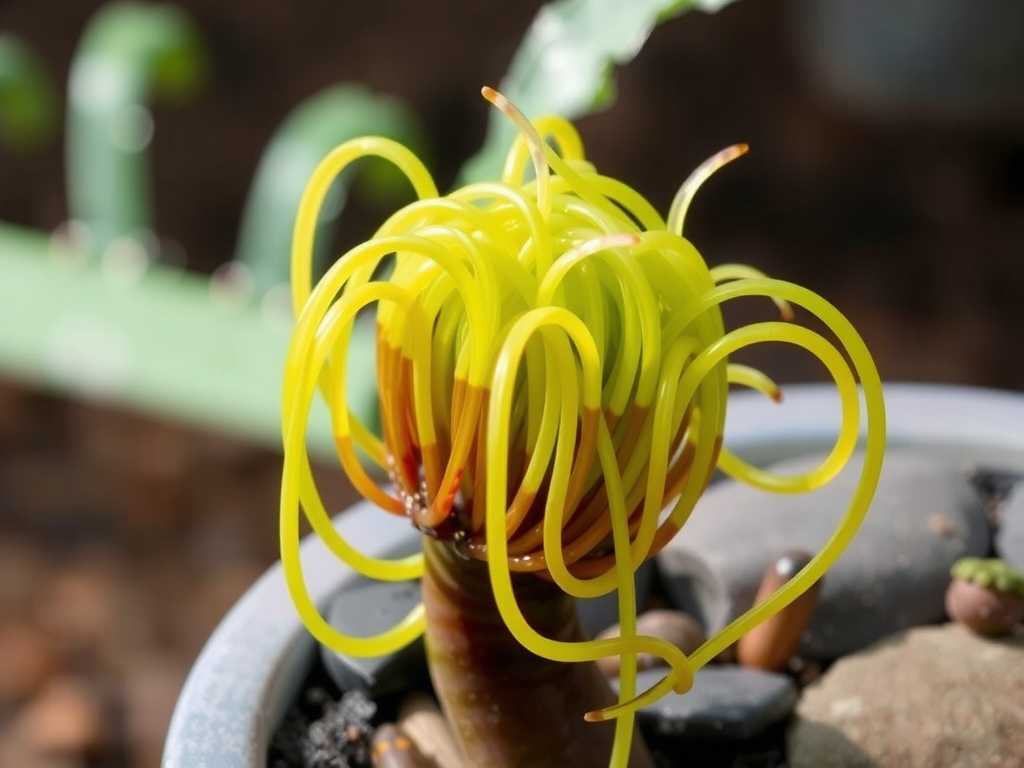
Choosing the Right Foundation I used a clear, ventilated plastic terrarium. A glass tank with a mesh top would also work. The key is visibility and humidity control. For the substrate, I followed advice from experts like Bob Ziemer, whose articles on the ICPS website are invaluable. I created a loose, airy mix of:
- Long-fibered sphagnum moss (soaked and squeezed until just damp)
- Perlite (for aeration)
- A small handful of orchid bark (to mimic tree branches) I formed a mound of this mix about 3 inches high on the bottom of the terrarium. This setup provides structure, moisture retention, and critical air pockets around the stolons.
The Planting Process Gently, I unravelled my new Utricularia alpina plant. Using sterilized tweezers, I laid the green, thread-like stolons on top of the moss mound. I did not bury them. I lightly misted them so they made good contact with the damp surface. Then, I placed a few live strands of Sphagnum moss around them to help anchor and maintain local humidity. The terrarium was placed under a bright LED grow light, providing strong but indirect illumination for 12 hours a day. No direct sun, as it cooks plants in a closed environment.
The Critical First Two Weeks: Observation and Adjustment This was the most revealing phase. I kept a daily log.
- Days 1-3: The plant looked unchanged, just sitting there. Humidity hovered at 95%. I worried it was too wet.
- Days 4-7: I noticed the first sign of life: a tiny, bright green tip emerging from one of the stolons. New growth! However, I also saw a faint white fuzz on one piece of bark – the start of mold. This was my first “pitfall.” Instead of panicking, I improved air circulation by slightly adjusting the lid and carefully removing the affected bark with tweezers. I also reduced misting frequency from daily to every other day, allowing the surface to almost dry before re-misting.
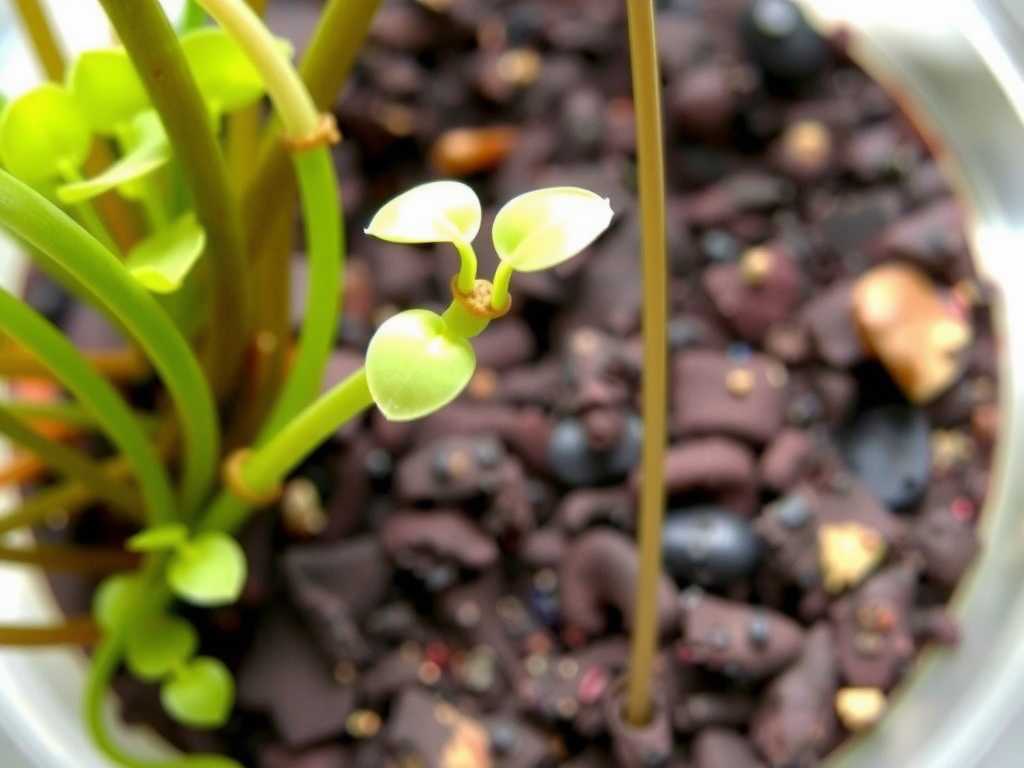
- Days 8-14: With better air flow, the mold disappeared. The new growth tip elongated dramatically. By day 14, it had grown over an inch and branched, forming a new network. Most excitingly, I spotted the first tiny, hair-like structures descending from the main stolon – these were the non-photosynthetic stems bearing the microscopic bladders, a sure sign the plant was establishing its feeding apparatus. The plant was not just surviving; it was actively building its system.
Mastering the Care Routine for Vigorous Growth
Getting past the initial phase is one thing. Encouraging lush, flowering growth is the next.
Watering: The Art of Damp, Not Wet This is the most crucial skill. I use only distilled water or rainwater. Tap water minerals can kill these plants. My method is the “pour-through” technique. Once a week, I gently pour water down the side of the terrarium until I see the lower moss become moist. I then immediately tip the entire tank to drain ALL excess water out. The substrate should feel like a well-wrung sponge – damp to the touch but not dripping. The rest of the week, I only lightly mist the air above the plant if the surface moss looks pale and dry.
Feeding Your Carnivorous Plant You don’t need to feed them insects. But for truly vigorous growth, they benefit from nutrients captured by their bladders. I culture microworms (a tiny nematode) for my fish fry. Once every 3-4 weeks, I take a small pinch of the worm culture and sprinkle it onto the damp moss near the stolons. The worms move into the wet film, and the bladderwort does the rest. Within days of this first feeding experiment, I observed a surge in stolon branching. A study cited in the Carnivorous Plant Newsletter has shown that supplemented nutrition can significantly increase biomass and flowering potential in Utricularia.
Light and Temperature for Optimal Health Bright, indirect light is non-negotiable. My LED light provides about 2000 FC (foot-candles) at plant level. Temperature is equally important. These are cool-growers. My terrarium stays between 60°F (15°C) at night and 75°F (24°C) during the day. A summer heatwave once spiked the temperature to 80°F (27°C), and growth stalled completely—another pitfall learned the hard way. I now use a small USB fan on a timer for 15 minutes every few hours during warm spells to keep air moving and temperatures down.
Troubleshooting Common Problems
Even with perfect care, issues arise. Here’s what I’ve faced and fixed.
- The Plant is Melting / Turning Brown and Mushy: This is rot, usually from chronic overwatering or poor air circulation. Act fast. Remove the healthy green parts of the stolons with sterile scissors. Rinse them in distilled water and re-lay them on fresh, barely-damp sphagnum in a clean container. Increase air flow dramatically.
- Stunted Growth or Pale Color: Usually insufficient light. Move the plant closer to the light source or invest in a stronger grow light. Pale color can also indicate a lack of nutrients—consider a microscopic feeding.
- Persistent Mold or Algae: This is a sign of stagnant conditions. Reduce watering frequency, increase air circulation with a fan, and ensure you have enough live sphagnum moss, which has natural antifungal properties. You can also spot-treat with a sulfur-based fungicide powder applied carefully with a brush, as recommended by the American Hobbyist Society of Aquarists (AHSA) for delicate terrarium plants.
How often should I expect my epiphytic bladderwort to flower? With consistent care, mature plants can flower once or twice a year, often in spring or fall. The key triggers are a slight temperature drop and very strong light. My Utricularia alpina produced its first beautiful, orchid-like white flower after about 8 months of stable growth. Patience is essential.
Can I grow it mounted on cork bark like an orchid? Absolutely, and this is a stunning way to display them. However, it requires more diligent daily misting to prevent drying out. I recommend beginners master the terrarium method first to understand the plant’s rhythm before attempting a mount.
Is it safe to keep other plants with my bladderwort in the terrarium? Yes, but choose companions wisely. Small, humidity-loving plants like miniature ferns, Pilea glauca, or other Utricularia species make good companions. Avoid anything that grows aggressively or requires different conditions. Always quarantine new plants to prevent introducing pests.
Growing epiphytic bladderwort for vigorous growth is a lesson in precision and observation. It asks you to pay attention to the subtle signs—the direction of new growth, the color of the moss, the feel of the humidity. It’s not the easiest plant, but the reward of seeing those delicate stolons weave a living tapestry and eventually push up a graceful flower is unparalleled. It moves from being a mysterious, fragile specimen to a resilient and fascinating part of your plant collection. Start with the right setup, master the balance of wet and airy, and you’ll transform your struggle into a thriving, miniature ecosystem.

发表评论