 admin
admin How to Care for Aquatic Bladderwort in Fish Tanks Easily: The Complete Guide
Many aquarists dream of a lush, thriving underwater garden, but few plants offer the unique fascination of carnivorous species. If you have struggled with delicate flora or pest infestations, learning how to care for aquatic bladderwort might be the perfect solution. This free-floating plant is not only a natural algae eater but also a stunning addition to nano tanks and large aquariums alike. Unlike traditional root feeders, bladderwort captures tiny organisms using sophisticated bladder traps, making it a low-maintenance yet high-reward choice for beginners.
What is Aquatic Bladderwort?
Aquatic bladderwort (Utricularia) is a genus of carnivorous plants found in freshwater environments worldwide. They possess tiny bladder-like traps that suck in prey—such as daphnia and mosquito larvae—in milliseconds. Because they do not rely heavily on roots for nutrients, caring for Utricularia in aquariums is surprisingly simple compared to rooted plants like Amazon swords.
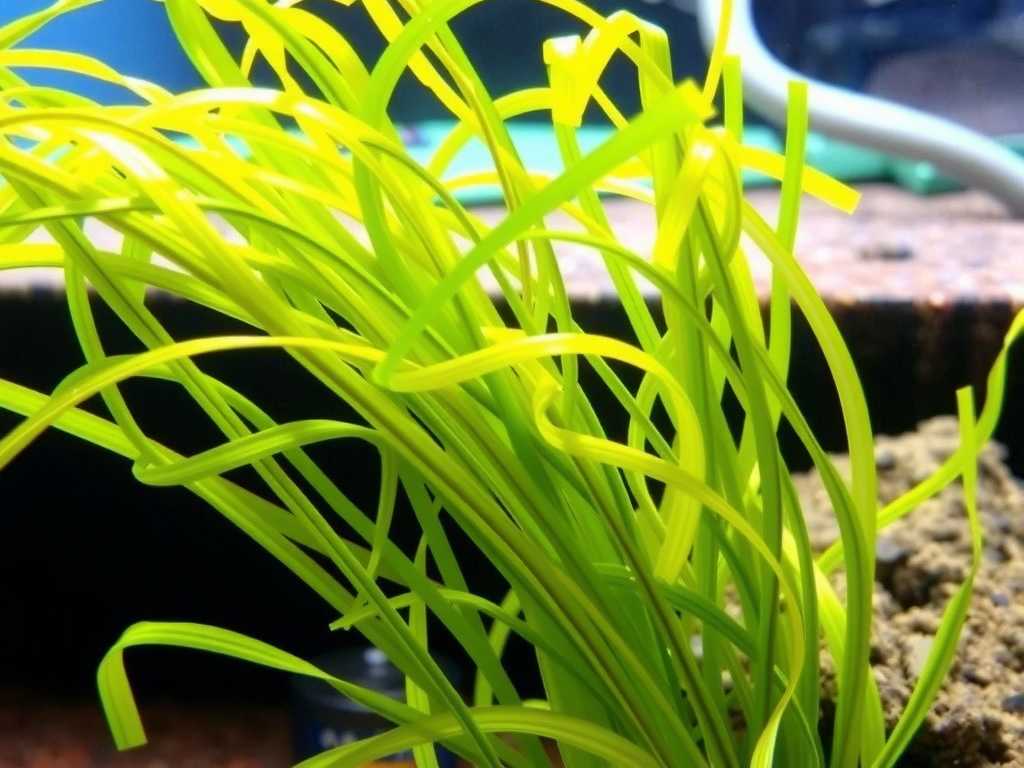
These plants appear as feathery, green strands floating just below the water surface. They produce beautiful yellow, orchid-like flowers above water when happy. For hobbyists looking for floating aquarium vegetation that controls pests without harming shrimp or fry, bladderwort is an excellent candidate.
Why Choose Bladderwort for Your Fish Tank?
Natural Pest Control
One of the biggest advantages of this carnivorous water plant is its appetite for unwanted microorganisms. It acts as a natural cleaner, reducing populations of harmful bugs that might otherwise irritate your fish.
Oxygenation and Water Quality
Like other floating species, bladderwort absorbs ammonia and nitrates while releasing oxygen. This helps maintain stable water parameters, which is crucial for the health of your aquatic pets.
Aesthetic Appeal
The delicate, fern-like foliage provides a soft, natural look that contrasts beautifully with hardscape elements like driftwood and rocks. It is also an ideal hiding spot for fry and shy species.
Setting Up the Tank for Bladderwort
Lighting Requirements
Proper lighting is essential for photosynthesis and trap development. You do not need expensive fixtures; standard LED lights work perfectly. Aim for a moderate intensity, roughly 2 to 3 watts per gallon.
Duration: Keep lights on for 8 to 10 hours daily.
Spectrum: A full-spectrum light (6500K) encourages healthy growth and potential flowering.
Expert Tip: If you notice the plants turning transparent or growing slowly, increase the photoperiod slightly, but avoid direct intense sunlight to prevent algae blooms on the leaves.
Water Parameters
Successful Bladderwort plant maintenance tips start with water quality. These plants are adaptable but thrive best in specific conditions:
Temperature: 65°F to 80°F (18°C to 27°C).
pH Level: Slightly acidic to neutral, between 6.0 and 7.5.
Hardness: Soft to moderately hard water is acceptable.
Flow: Gentle surface agitation is preferred. Strong currents can damage the delicate traps and prevent the plant from floating freely.
Substrate and Filtration
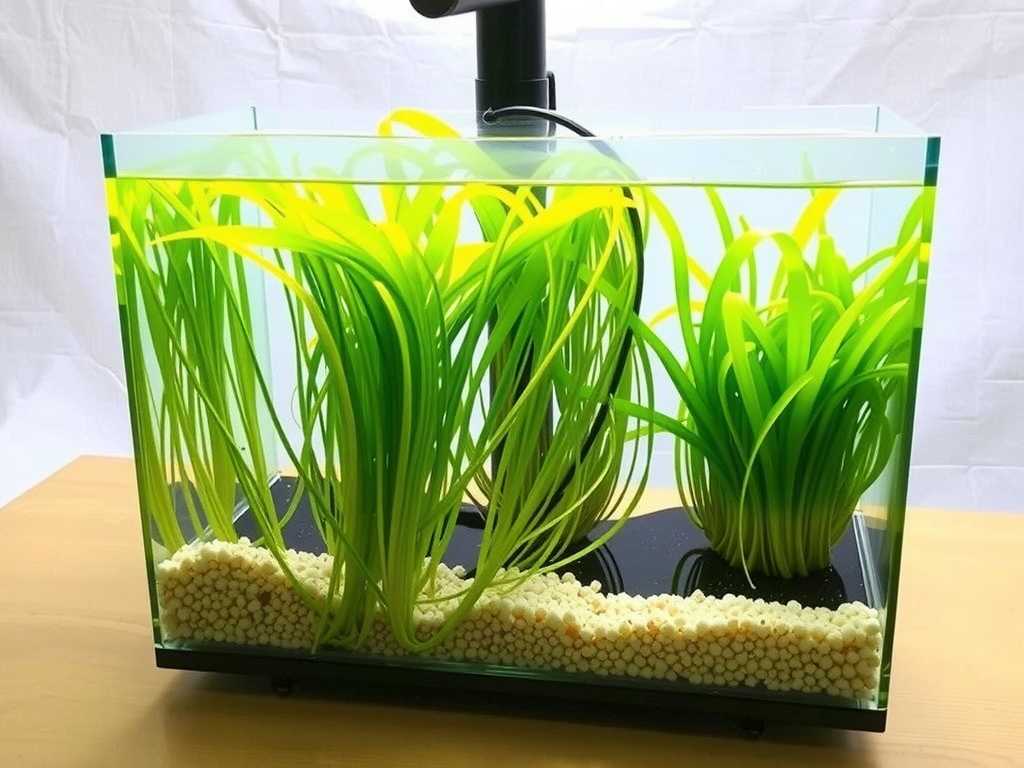
Since bladderwort floats, substrate is irrelevant for its nutrition. However, using sand or fine gravel helps anchor other plants if you have a mixed tank. Ensure your filter intake is covered with a sponge pre-filter. This prevents the small plants from being sucked into the mechanism, a common concern for beginners learning how to care for aquatic bladderwort.
Planting and Initial Care
Acclimation Process
When you first introduce bladderwort to your tank, do not simply dump it in. Float the container in the aquarium for 15–20 minutes to equalize the temperature. Then, gently release the plants.
Placement
Allow the plant to float freely in the middle or back of the tank. If you want to confine it to a specific area (to prevent it from clogging filters), you can use a gentle plastic mesh barrier. However, most hobbyists let it roam, as it provides excellent surface coverage that fish enjoy.
Initial Growth Phase
In the first two weeks, the plant may look sparse or melt slightly as it adjusts to new water chemistry. This is normal. Ensure you are following proper caring for Utricularia in aquariums protocols by testing water for ammonia and nitrites. Once established, growth is rapid, often doubling in size within a week under ideal conditions.
Ongoing Maintenance and Pruning
Trimming Overgrowth
Bladderwort grows incredibly fast. If it covers the entire surface, it can block light to lower-dwelling plants and fish.
Technique: Use sharp scissors to remove excess portions gently. You can discard the trimmings or share them with fellow hobbyists.
Frequency: Prune every 1–2 weeks depending on nutrient load. High nitrate levels usually trigger explosive growth.
Dealing with Algae
Sometimes, algae grows on the bladderwort leaves, hindering its ability to catch prey.
Solution: Introduce algae-eating crew members like Amano shrimp or Nerite snails. They will clean the leaves without eating the plant itself.
Manual Cleaning: If infestation is heavy, swish the plant in a bucket of tank water (not tap water) to dislodge debris.
Nutrient Needs
While it eats insects, it still benefits from water column fertilizers. Liquid carbon or a comprehensive liquid fertilizer added weekly in small doses can boost health. However, avoid over-fertilizing, as this leads to algae issues rather than plant growth. This balance is a key part of aquatic bladderwort care.
Propagation: How to Multiply Your Plants
One of the easiest aspects of Utricularia aquarium care is propagation. The plant reproduces vegetatively through fragmentation.
Natural Division: As the plant grows long strands, it naturally breaks apart. Each fragment can grow into a new plant.
Manual Splitting: Gently pull healthy strands apart with your fingers during water changes.
Seeds: While possible, growing from seeds is extremely slow and difficult. Sticking to vegetative propagation is recommended for most aquarists.
Common Problems and Solutions
Melting or Disintegrating Leaves
If the plant turns mushy and falls apart, check your water parameters.
Cause: Often caused by drastic changes in pH, temperature shock, or excessive flow.
Fix: stabilize the environment. Remove damaged parts to prevent rotting, which spikes ammonia.
No Traps Forming
If you see leaves but no tiny bladders, the plant might be starving or the light is too low.
Fix: Increase lighting slightly and ensure there is micro-fauna in the water for it to eat. You can even feed it infusoria or crushed fish flakes if natural prey is scarce.
Floating Away
In strong currents, the plant might gather in corners.
Fix: Create a "quiet zone" by redirecting filter output or using a lily pipe to diffuse the flow.
Compatibility with Fish and Invertebrates
Bladderwort is safe for almost all tank inhabitants.
Fish: Goldfish, Bettas, and Tetras all coexist peacefully with it. Some fish even nibble the leaves, though they don't usually destroy the plant.
Shrimp and Snails: Cherry shrimp and mystery snails are excellent tank mates. The dense roots provide cover for shrimplets, increasing survival rates.
Warning: Avoid large, destructive cichlids (like Oscars) that might uproot or aggressively shred floating plants.
Frequently Asked Questions
1. Does aquatic bladderwort need to be planted in soil?
No, it is a free-floating species. It draws nutrients from the water column and captures prey through its bladders. Attempting to bury it in gravel will usually cause it to rot.
2. Will bladderwort harm my baby fish (fry)?
Generally, no. The traps are microscopic and designed to catch protozoa and tiny crustaceans. However, if the fry are extremely tiny (like newly hatched brine shrimp), they might occasionally get caught, though this is rare. Most breeders find it safe and beneficial for fry tanks because it keeps the water clean.
3. Why is my bladderwort turning yellow?
Yellowing usually indicates nutrient deficiency or old age. If the lower leaves turn yellow and die off, it is natural senescence. If the whole plant turns pale, consider adding a liquid fertilizer or checking if your lighting is too dim.
Mastering how to care for aquatic bladderwort transforms a standard fish tank into a dynamic, self-sustaining ecosystem. By providing moderate light, stable water parameters, and gentle flow, you can enjoy the unique hunting behavior of this carnivorous plant. Whether you are a seasoned aquarist or a beginner, the low effort and high visual reward make bladderwort a must-have species. Remember to monitor growth, prune regularly, and enjoy the natural pest control it provides. With these Bladderwort plant maintenance tips, your tank will remain healthy, vibrant, and fascinating to watch.

发表评论