 admin
admin How to Care for Epiphytic Bladderwort on Cork Bark: A Complete Guide
Many plant enthusiasts struggle to keep epiphytic bladderworts alive because they treat them like standard potted plants. The result is often rot, mold, and a disappointed grower. If you have faced these issues, learning how to care for epiphytic bladderwort on cork bark is essential to unlock their potential.
Unlike their aquatic or terrestrial cousins, these carnivorous marvels grow on trees in nature, clinging to bark with specialized structures. They require excellent airflow and specific moisture levels that soil simply cannot provide. Mastering this unique mounting technique allows you to replicate their natural rainforest habitat, leading to vigorous growth and stunning yellow or purple flowers.
Understanding Epiphytic Bladderwort Biology
To succeed, you must understand that these plants are not parasites. They use the cork bark solely for anchorage, deriving no nutrients from the wood itself. The genus Utricularia includes species like Utricularia longifolia and Utricularia striatula that thrive in this environment.
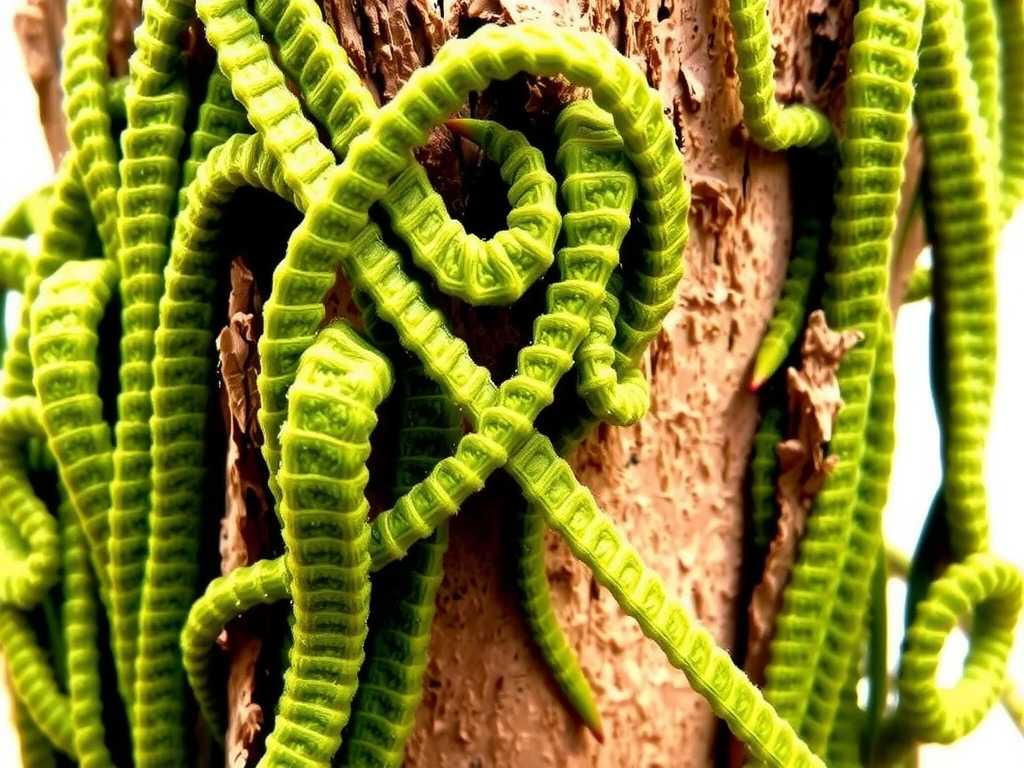
In the wild, they live in mossy tree branches where water flows over them frequently but drainage is instant. Their roots are primarily for stability, while their bladder traps catch microscopic prey in the wet moss. This biological fact dictates that carnivorous plant mounting requires a setup that mimics high humidity without stagnation.
Selecting the Right Cork Bark and Materials
The foundation of a healthy display starts with the materials. You cannot simply glue the plant to any piece of wood; the substrate must be inert and safe for delicate roots.
Choosing Cork Bark
Select smooth, rounded pieces of horticultural cork bark. Avoid rough, jagged bark that might damage the fragile stolons (runners).
Size: Choose a piece that is slightly larger than the plant's current spread to allow for growth.
Preparation: Boil the cork bark for 30 minutes to kill any pathogens and help it sink if you plan to submerge it later. Let it cool completely before planting.
Essential Tools
Gather these items before starting your epiphytic bladderwort setup:
Nylon fishing line or unflavored dental floss (do not use copper wire, which is toxic).
A small amount of long-fiber sphagnum moss (the growing medium).
A spray bottle filled with distilled water or rainwater.
Step-by-Step Mounting Process
Mounting the plant is the most critical phase. If you secure it too tightly, you risk crushing the vascular tissue; too loosely, and it will dry out.
Preparing the Moss Bed
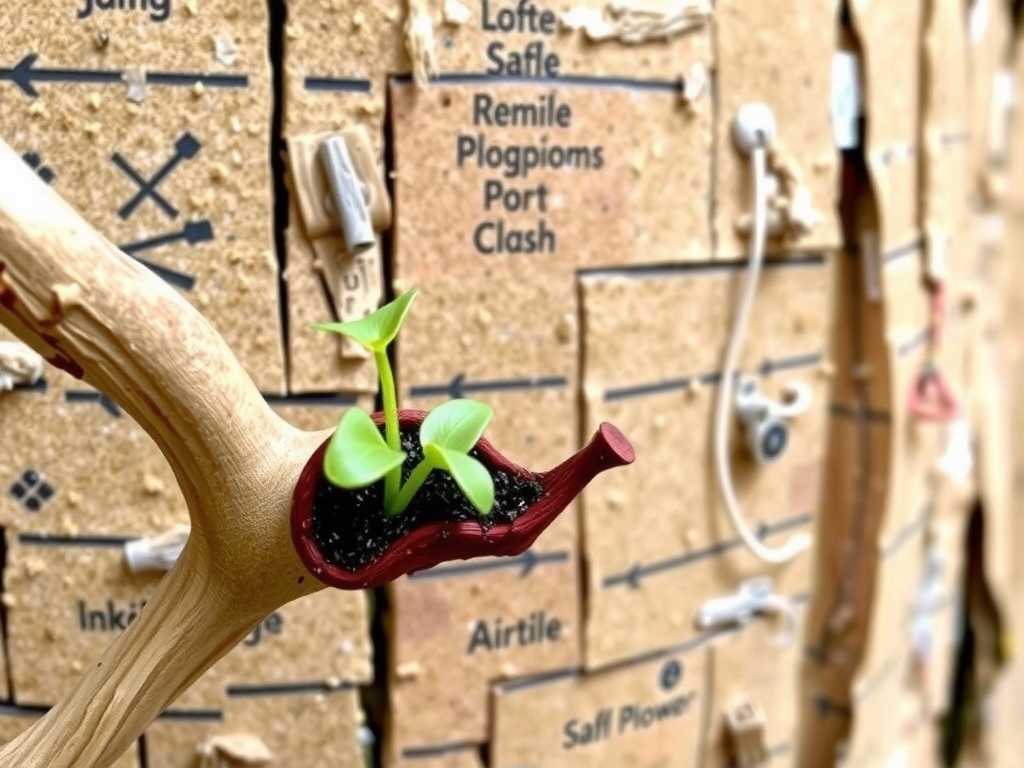
Soak the sphagnum moss in distilled water until it is fully hydrated. Squeeze it gently to remove excess water—it should be damp, not dripping. Create a thin layer of moss over the surface of the cork bark where you intend to place the plant.
Securing the Plant
Place the bladderwort onto the moss bed. Ensure the rhizoids (root-like structures) are in contact with the moss.
Use the nylon thread to gently tie the main stem or a healthy leaf node to the cork bark.
Do not wrap the thread around the stem. Instead, create a "cradle" with the thread to hold the plant against the wood without constricting growth.
Initial Establishment
For the first two weeks, humidity is vital. If you are not using a vivarium, cover the mounted plant with a clear plastic dome or a cut plastic bottle. This creates a microclimate. However, open the cover daily for 10 minutes to ensure air plant maintenance and prevent mold.
Environmental Requirements: Light and Humidity
Once mounted, the location becomes the most important factor in Utricularia cork bark care. These plants demand bright, filtered light and extreme humidity.
Lighting Needs
Epiphytic bladderworts are high-energy plants due to their complex trap mechanisms. They need bright, indirect light.
Ideal Spot: An east-facing window or under grow lights providing 10-12 hours of illumination.
Intensity: Aim for 10,000 to 15,000 lux. Direct midday sun can scorch the moss and dry out the plant in minutes.
Humidity and Watering
Since there is no soil to hold water, the ambient humidity must be high—ideally between 70% and 90%.
Misting: Use the "Tray Method" if possible, or mist the plant heavily 2-3 times a day with pure water.
Water Quality: This is non-negotiable. Tap water contains calcium and magnesium that will calcify the traps and kill the plant. Always use reverse osmosis (RO), distilled, or rainwater.
Feeding and Fertilization
A common misconception is that mounted plants need fertilizer. This is false. In carnivorous plant mounting, the plant gets its nutrients from the air and prey.
Natural Feeding
In a vivarium with springtails or fruit flies, the plant will feed itself. The bladder traps are incredibly efficient at sucking in tiny insects.
Supplemental Feeding
If growing indoors where pests are scarce, you can feed the plant manually.
Food Source: Use crushed fish flakes (in moderation) or dried bloodworms.
Method: Sprinkle a tiny amount near the traps. Do not dump food on the crown, as this causes rot. Overfeeding is the fastest way to kill an epiphytic bladderwort.
Troubleshooting Common Issues
Even with perfect care, problems can arise. Here is how to diagnose and fix common issues in your epiphytic bladderwort setup.
The Moss is Drying Out
If the sphagnum moss turns white or brittle, humidity is too low.
Solution: Increase misting frequency or move the setup to a terrarium. Soaking the entire cork bark piece in a bowl of water for 5 minutes can rehydrate it without waterlogging the roots.
Black Mushy Stems
This indicates bacterial rot, usually caused by stagnant air or keeping the crown constantly wet.
Solution: Cut away the infected tissue with a sterile razor blade. Improve airflow with a small fan. Ensure the plant dries slightly between waterings.
No Flowers
If the plant is green and healthy but refuses to bloom, it likely needs a light intensity increase or a temperature drop.
Solution: Move the light source closer (if using LEDs) or ensure a slight night-time temperature drop of 5-10°F, which mimics natural rainforest cycles.
Seasonal Care and Dormancy
Most epiphytic bladderworts are tropical and do not require a winter dormancy period like their terrestrial cousins. However, growth may slow down during shorter winter days.
During this time, reduce watering slightly to prevent mold, but never let the moss dry out completely. If you notice the plant producing "hibernacula" (small dormant buds) during a dry spell, do not remove them; these will sprout new growth when conditions improve.
Frequently Asked Questions
1. Can I use super glue to attach the bladderwort to the cork?
It is generally not recommended to glue the plant directly, as super glue fumes can damage delicate tissue and it prevents natural movement. However, you can use a tiny dab of cyanoacrylate gel to secure the sphagnum moss to the bark before placing the plant.
2. How fast does epiphytic bladderwort grow on cork?
Growth is rapid once established. Under optimal light and humidity, you can expect the stolons to spread across the bark within 3-4 months, covering the surface with a lush, moss-like carpet of traps.
3. Is it better to grow this in a vivarium or on an open cork slab?
A vivarium is easier for beginners because it maintains high humidity automatically. An open cork slab mounted on a wall is visually stunning but requires misting several times a day and is more challenging to keep alive long-term.
Mastering how to care for epiphytic bladderwort on cork bark transforms a piece of wood into a living predatory garden. By focusing on pure water, high humidity, and bright light, you allow the plant to express its natural growth habit. This method not only saves space but also offers a clearer view of the fascinating bladder traps in action. Whether you are building a complex paludarium or simply mounting a single specimen, the key is consistency in moisture and air quality. With these epiphytic bladderwort care tips, your cork bark will soon become a thriving ecosystem of carnivorous beauty.

发表评论