 admin
admin How to Overwinter Epiphytic Bladderwort Without Issues: A Complete Care Guide
You’ve nurtured your epiphytic bladderwort all season, fascinated by its intricate foliage and unique bladder traps. But as temperatures drop, a familiar worry sets in. How do you keep this delicate carnivorous plant alive through the cold months? Many enthusiasts face the same frustrating issues: sudden rot, mysterious die-back, or a plant that simply never recovers in spring. The overwintering process is the most critical challenge for growing epiphytic bladderworts successfully, but with the right knowledge, it doesn’t have to be a gamble.
This guide cuts through the confusion. We’ll walk you through a clear, step-by-step strategy to ensure your bladderwort not only survives winter but enters the growing season strong and healthy. Forget the guesswork; let’s build a reliable routine.
Understanding Your Epiphytic Bladderwort’s Natural Cycle
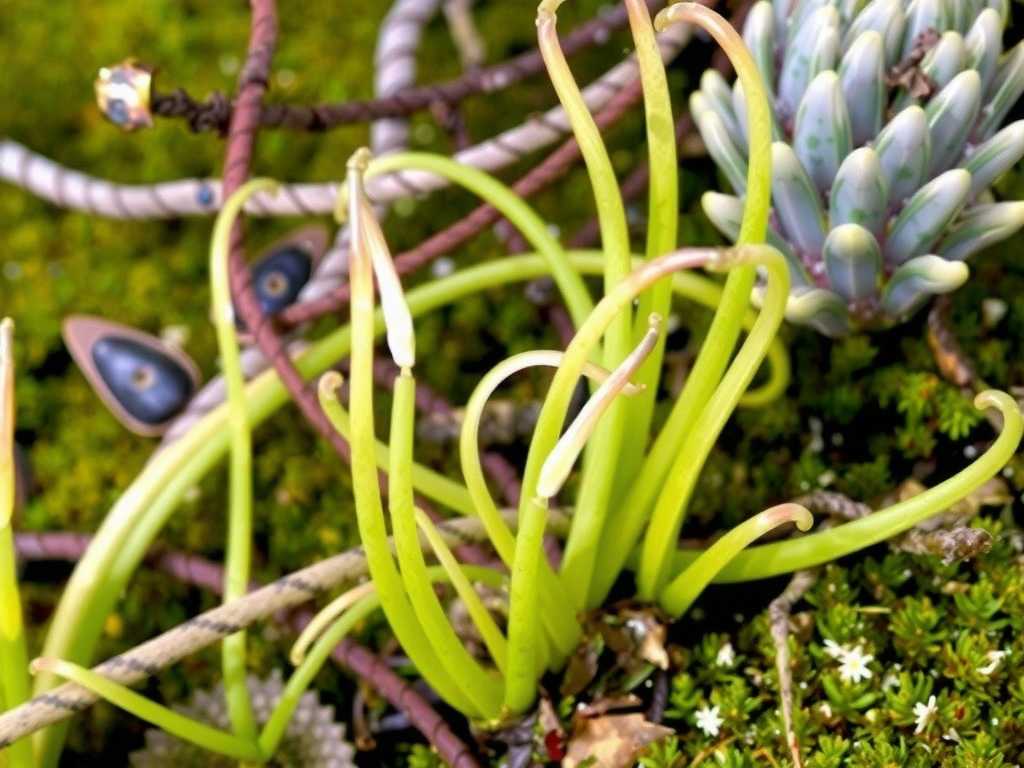
First, it’s crucial to know what you’re working with. Epiphytic bladderworts (primarily from the Utricularia genus, like U. alpina, U. humboldtii, or U. reniformis) are not like their temperate, terrestrial cousins. They originate from tropical and subtropical regions, often growing on mossy tree branches in cloud forests or similar habitats. They do not experience a true, deep dormancy triggered by frost.
Instead, they undergo a seasonal growth slowdown. During cooler, drier, or less bright periods, their metabolism reduces. They may stop producing new leaves or blooms and focus energy on their vital storage organs: thickened stolons or tuber-like structures. Recognizing this subtle shift is key. Your goal isn’t to force continued vigorous growth but to provide stable conditions that support this natural rest period without stress.
The Three Pillars of Successful Overwintering
A trouble-free winter rests on mastering three interconnected factors: temperature, light, and moisture. Getting the balance wrong in one area often leads to the most common overwintering issues.
1. Optimizing Temperature and Location
This is the most critical factor. Epiphytic bladderworts generally prefer a mild, cool-to-intermediate winter rest.
- Ideal Temperature Range: Aim to maintain temperatures between 50°F (10°C) and 65°F (18°C). This range is cool enough to signal the growth slowdown but safely above the danger zone where chilling injury can occur.
- What to Avoid: Protect your plant from temperatures below 45°F (7°C). More importantly, guard against cold drafts from windows and excessive heat from radiators or heating vents. Sudden temperature fluctuations are a major source of stress.
- Best Placement: A bright, cool windowsill (ensuring leaves don’t touch cold glass), a moderately heated sunroom, or the cooler zone of a greenhouse are perfect. For growers with extensive collections, a dedicated plant shelf with supplemental lighting often provides the most control, as noted by several expert cultivators in the International Carnivorous Plant Society forums.
2. Providing Adequate Light Levels
While growth slows, photosynthesis doesn’t stop. Reducing light too drastically weakens the plant.
- Strategy: Provide bright, indirect light for 10-12 hours daily. A south or east-facing window is often suitable. In regions with very dark winters, the use of grow lights for carnivorous plants is highly recommended. A simple LED strip or bulb placed 6-12 inches above the plant can make a profound difference in maintaining plant vigor.
- Sign of Insufficient Light: Elongated, weak, or pale green growth is a clear signal your bladderwort needs more light, even in winter.
3. Mastering the Winter Watering Technique
Overwatering is the fastest route to rot, while underwatering desiccates the precious storage stolons. This is where most problems arise.
- The Golden Rule: Let the mounting medium approach dryness before watering thoroughly. The keyword is “approach.” It should never become bone-dry or dust-like, nor should it remain soggy for days.
- Method: Use the “lift and feel” method. Pick up the pot or mount. When it feels noticeably lighter but not completely weightless, it’s time to water. Water with room-temperature rainwater, distilled, or reverse osmosis water until it runs freely from the drainage.
- Humidity Considerations: Moderate humidity (around 50-60%) is beneficial. However, in heated homes, air can become very dry. Grouping plants together or using a shallow humidity tray filled with pebbles and water can help. Avoid misting the foliage directly as a primary hydration method, as it does little for roots and can promote fungal issues on leaves.
Step-by-Step Preparation and Routine
A smooth transition prevents shock. Follow this sequence as autumn ends.
- Gradual Acclimation: Over 2-3 weeks, slowly move your plant to its final overwintering location, allowing it to adjust to the lower light and temperature.
- Hold Fertilizers: Completely stop any diluted fertilizer applications. The plant is not in active growth and cannot use the nutrients, which may instead harm the roots or alter the soil chemistry.
- Inspect and Clean: Gently remove any clearly dead or dying foliage. This improves air circulation and reduces hiding spots for pests. Check carefully for signs of aphids or scale, which can proliferate on stressed plants indoors.
- Establish a Check Schedule: Instead of watering on a fixed day, make a habit of checking your plant’s weight and media moisture every 3-4 days. Consistency in observation is more important than consistency in watering frequency.
Troubleshooting Common Overwintering Problems
Even with care, issues can pop up. Here’s how to address them.
- Yellowing or Dropping Leaves: Some leaf loss is normal. Significant yellowing often points to overwatering. Check the medium’s moisture immediately and extend the dry period between waterings.
- Mushy Stems or Stolons: This is a sign of rot, usually from media that is too wet and/or temperatures that are too cold. You may need to unpot the plant, carefully remove all soft, rotten material with a sterile tool, and repot in fresh, well-draining media.
- No Signs of Life in Late Winter: Be patient. As daylight increases and temperatures warm slightly, new growth should emerge from the stolons. If there’s no growth by mid-spring, gently investigate a stolon; if it’s firm, the plant is still alive.
Transitioning to Spring Growth
When you notice consistent new growth, it’s time to transition.
- Gradually increase watering frequency as the plant actively uses more water.
- You can begin applying a very dilute (1/4 strength) orchid or carnivorous plant fertilizer once a month.
- Slowly acclimate it back to its brighter, warmer summer growing location over a couple of weeks.
Frequently Asked Questions
Can I overwinter my epiphytic bladderwort in a terrarium? Yes, terrariums can be excellent overwintering environments due to their stable humidity. The key is temperature control—ensure it stays in the cool-to-intermediate range and isn’t placed in direct hot sun that could cook the plant. Provide adequate ventilation to prevent stagnant, overly wet air.
My home is very warm in winter. What should I do? If your indoor temperature consistently stays above 70°F (21°C), your plant may not get a clear rest signal and could continue growing weakly. Prioritize providing very bright light (likely requiring a grow light) and be extra vigilant about watering, as warmer media dries faster. The plant may be fine but might not perform as robustly in the following season.
What is the best mounting medium for overwintering stability? A mix of long-fiber sphagnum moss and orchid bark (like fir bark) or perlite provides excellent drainage and air circulation while retaining some moisture. The moss should be fluffy, not densely packed. This structure is critical for maintaining healthy epiphytic utricularia roots during the sensitive winter period, preventing them from sitting in constant wetness.
Successfully overwintering epiphytic bladderwort boils down to mimicking the gentle, cool, and bright conditions of its natural habitat’s off-season. By focusing on stable cool temperatures, sufficient light, and disciplined watering, you transform winter from a season of anxiety into a period of quiet maintenance. Observe your plant closely, respect its natural rhythm, and you’ll be rewarded with a resilient specimen ready to thrive when spring arrives.

发表评论