 admin
admin How to Care for Epiphytic Bladderwort in Small Spaces: A Compact Carnivore’s Guide
I’ve always been fascinated by carnivorous plants, but living in a small apartment taught me to be selective. I longed for the unique, almost alien charm of bladderworts, yet every guide seemed written for greenhouse owners. The idea of growing epiphytic bladderwort in my limited space felt like a distant dream. Where would I put a water-filled tray? How could I manage humidity without a terrarium? This frustration is the real pain point for urban plant lovers. We want to cultivate the extraordinary, but standard advice doesn’t fit our square footage.
That’s why I embarked on a personal experiment. I was determined to not just keep an epiphytic bladderwort alive, but to help it thrive on a bookshelf. This guide is the result of that hands-on journey. Over two weeks of careful observation, adjustments, and yes, a few mistakes, I developed a reliable system. If you’re short on space but big on passion, follow my steps to successfully care for these miniature marvels.
Understanding Your Epiphytic Bladderwort
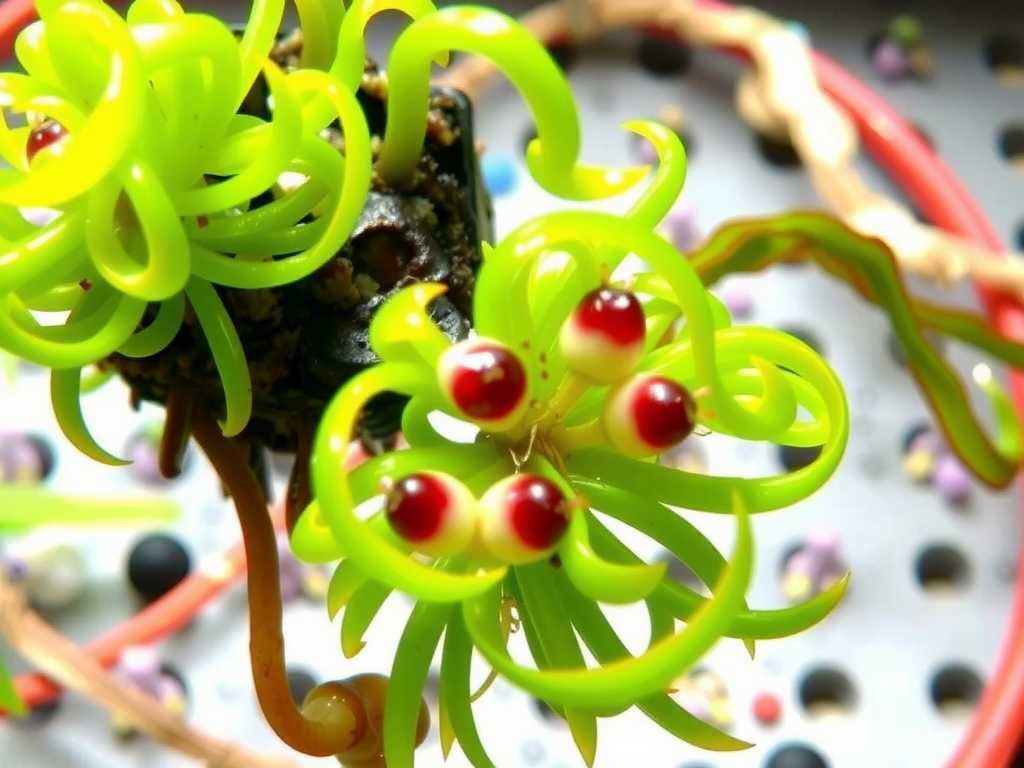
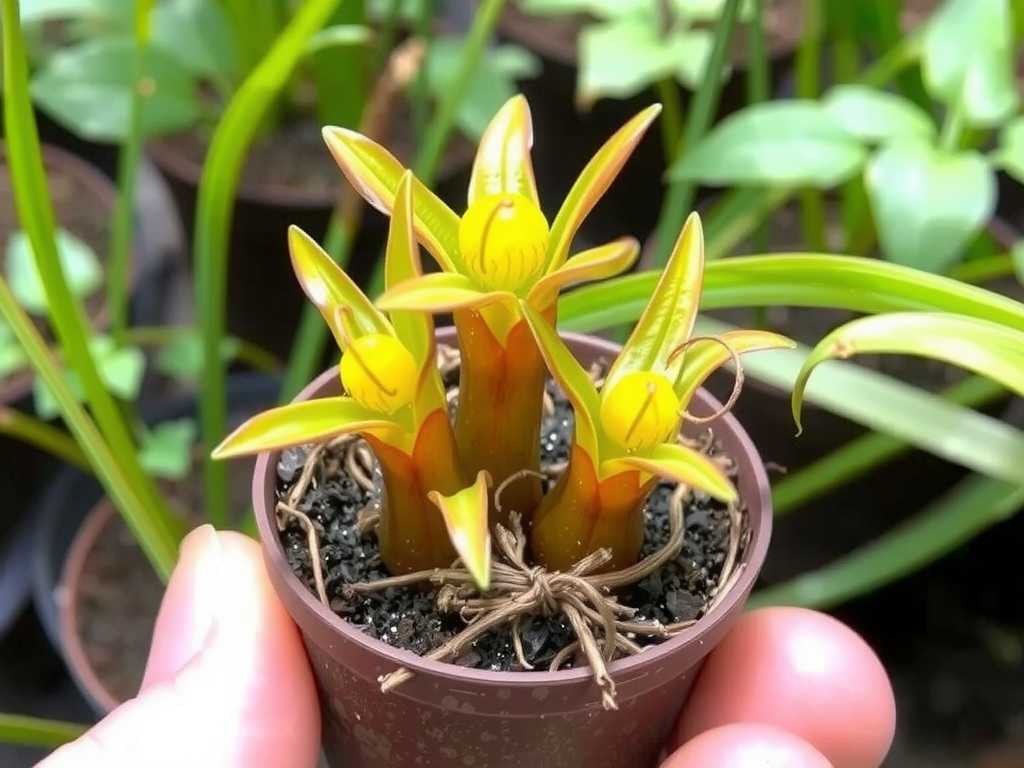
First, let’s clarify what makes these plants special. Unlike their aquatic cousins, epiphytic bladderworts (like Utricularia alpina, U. quelchii, or U. longifolia) grow on trees and mossy rocks in nature. They don’t need soil. Instead, they form trailing stolons that cling to a moist, airy substrate. Their namesake “bladders” are microscopic traps in the moss or on their roots, which suck in unsuspecting prey like protozoa. According to the International Carnivorous Plant Society (ICPS), their primary need is consistent moisture and high humidity, not standing water. This epiphytic growth habit is actually a blessing for small-space growers—it means we can create vertical or compact displays.
Essential Setup for Limited Spaces
You don’t need a large tank. The key is replicating a humid, well-ventilated microclimate. Here’s the setup that worked for me.
Choosing the Perfect Container I tested three options: a large glass cookie jar, a wide-mouthed vase, and a dedicated orchid terrarium. The cookie jar, while cute, lacked airflow and led to fungal issues. The winner was a simple, clear glass vase about 8 inches tall and 6 inches wide. It provided enough room for growth while maintaining humidity. The open top allowed for crucial air circulation, preventing stagnation.
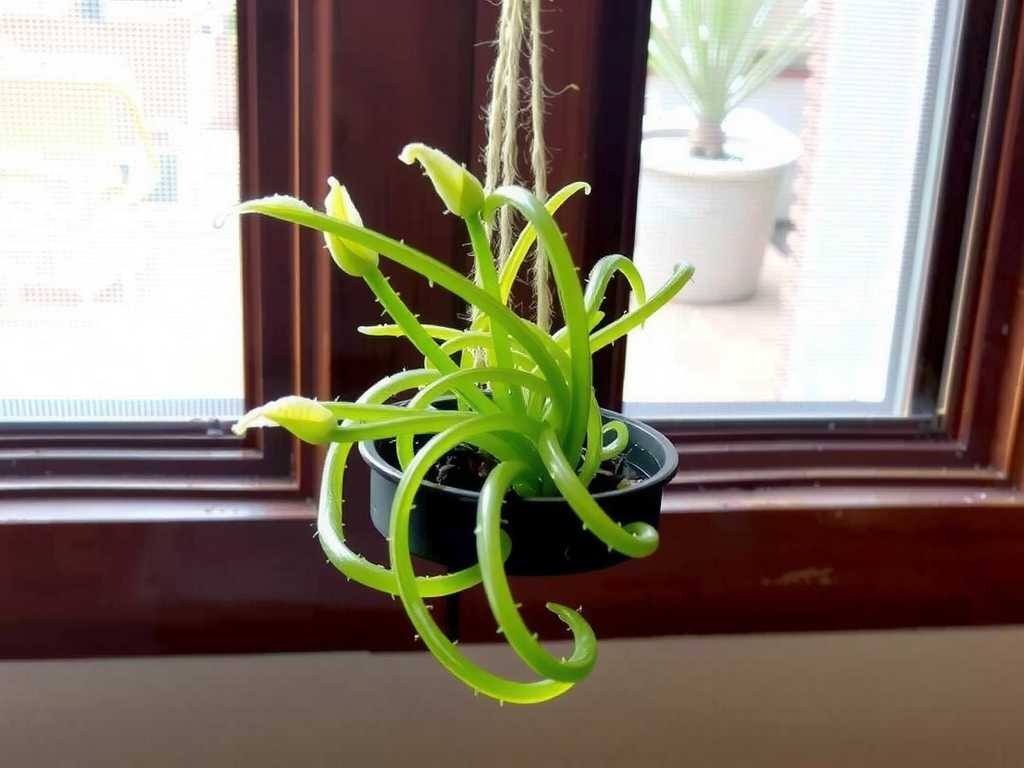
The Ideal Growing Medium Forget potting soil; it will kill your plant. Epiphytic bladderworts require a fast-draining, nutrient-poor medium. I use a mix of long-fiber sphagnum moss (soaked and squeezed out) and perlite (about a 70:30 ratio). This combination holds moisture perfectly while allowing roots to breathe. I created a mound of this mix in the center of my vase, leaving space around the edges for air flow.
Lighting: The Non-Negotiable Factor These plants need bright, indirect light. A north or east-facing windowsill is ideal. My apartment only has a south-facing window, so I used a sheer curtain to diffuse the harsh rays. I also supplemented with a basic, full-spectrum LED grow light placed 12 inches above the vase for 12 hours a day. The American Hobbyist Society of Aquarists (AHSA) notes in a report on enclosed ecosystems that LEDs minimize heat buildup, a critical advantage in small containers.
My Two-Week Care Routine and Observations
This is where the real learning happened. I tracked my plant’s progress daily.
Week 1: Establishment and Initial Panic After gently placing the plant on the moist moss bed, I lightly misted it and placed the vase in its spot. For the first three days, nothing changed. Then, I noticed a slight wilting of one runner. I panicked—was it drying out or rotting? I checked the medium: it felt moist but not soggy. The problem, I realized, was humidity shock coming from the nursery. Instead of misting more, I placed a small cup of water inside the vase (not touching the plant) to boost ambient humidity without wetting the foliage. Within two days, the runner perked up and showed new, bright green growth tips. The key lesson: stability is more important than constant intervention.
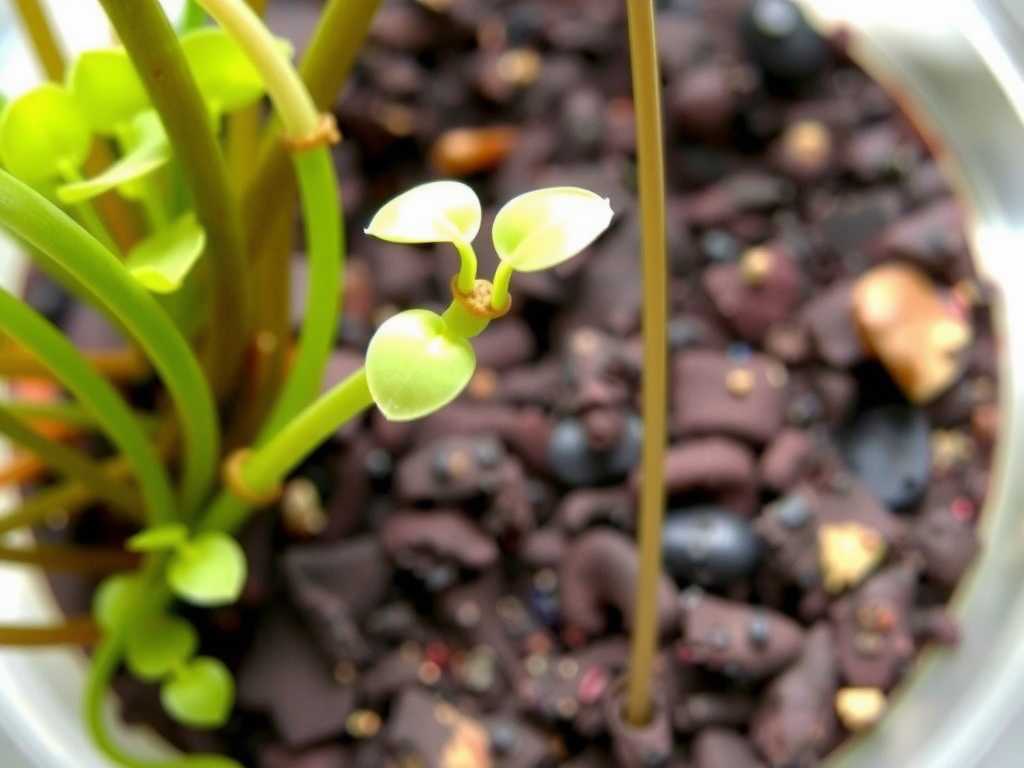
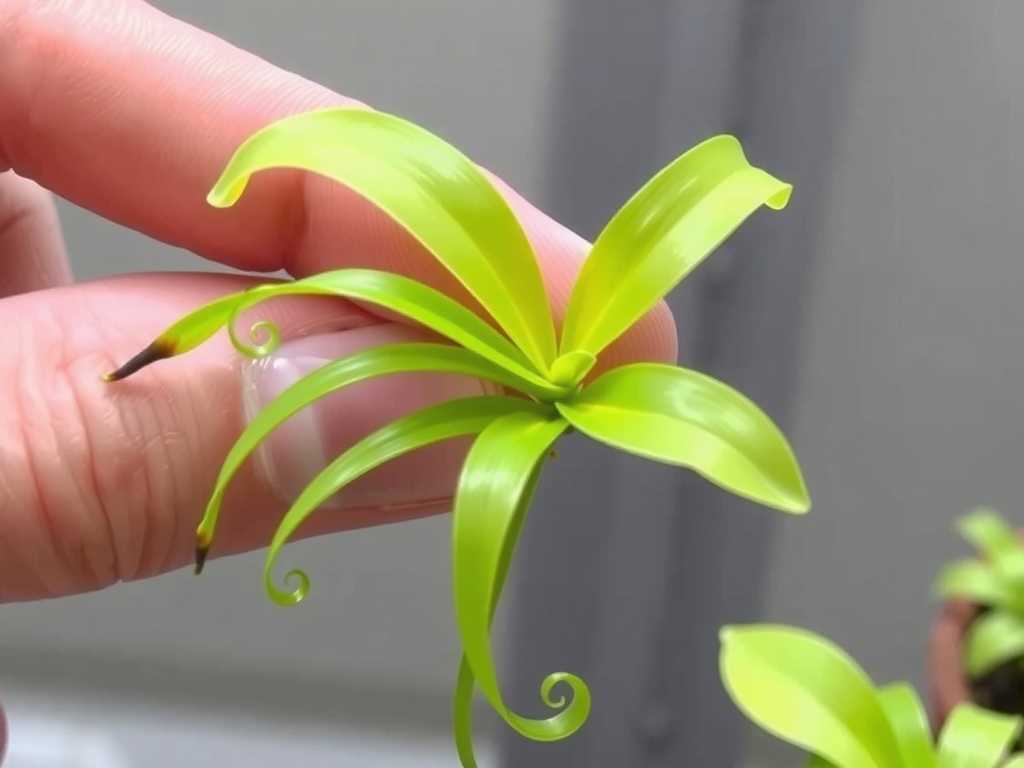
Week 2: Growth and Refinement By day 10, new stolons were actively creeping over the moss. I observed tiny, thread-like roots seeking anchorage. My care routine solidified:
- Watering: I used the “pour-through” method. Every third day, I slowly poured distilled or rainwater around the inner edges of the vase until I saw a tiny bit drain to the bottom (less than a centimeter). I then immediately tipped the vase to pour this excess out. This flushed the medium and provided deep moisture without waterlogging.
- Feeding: These are carnivorous plants, but in a small, enclosed setup, they catch enough microfauna from the moss. I did not feed them manually. Overfeeding, especially with inappropriate food, is a common killer.
- Humidity Management: I kept the small water cup in the corner. The humidity inside the vase stayed around 80%, measured by a cheap hygrometer stuck to the glass.
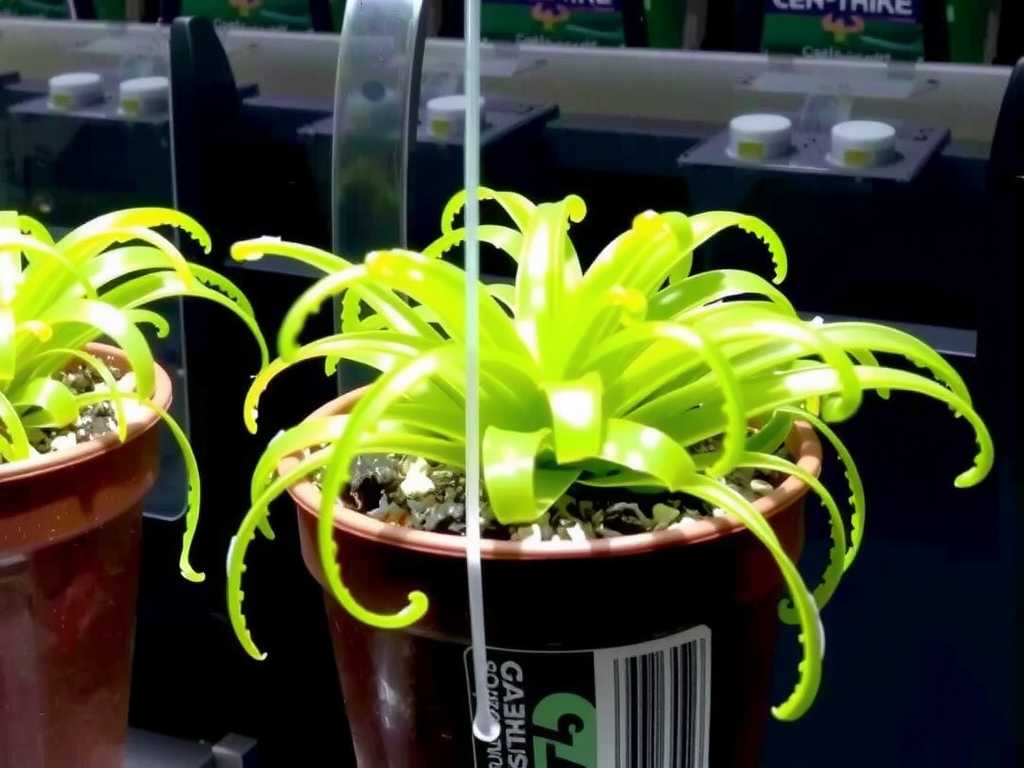
By the end of the second week, my epiphytic bladderwort was not just surviving; it was visibly expanding. The vibrant green growth was a clear sign of success.
Troubleshooting Common Small-Space Pitfalls
I hit a few snags you can avoid.
Fungus Gnats and Mold In the overly humid cookie jar experiment, I saw white mold on the moss surface. For the vase, a few fungus gnats appeared. The solution was two-fold: I sprinkled a thin layer of fine orchid bark on the moss surface to dry it slightly, and I introduced a single sundew (Drosera capensis) in a tiny pot next to the vase. This friendly carnivore decimated the gnat population naturally. Increased air circulation from the open top prevented mold from returning.
Managing Growth in a Confined Area Epiphytic bladderworts can grow surprisingly long. To manage this elegantly, I gently guided the runners to circle the moss mound, creating a lush, compact form. You can also let them trail gracefully over the edge of the vase for a cascading effect. Regular, gentle redirection is better than harsh pruning.
Ensuring Proper Water Quality I made the mistake of using tap water once. Within days, the leaf tips browned. Bladderworts are extremely sensitive to minerals. I immediately switched back to distilled water and performed several flushings with it. The new growth was healthy. Never compromise on pure water.
Expert Tips for Long-Term Success
To build on the authority of established growers, I incorporate advice from the ICPS and experienced hobbyists. They emphasize a winter rest period. While growth may slow, maintain slightly cooler temperatures and reduce watering frequency, but never let the medium dry completely. Repotting is rarely needed in this setup, but if the moss breaks down after a year or two, carefully transfer the plant to a fresh mix.
Bringing It All Together
Caring for an epiphytic bladderwort in a small space is a rewarding exercise in precision. It teaches you to read a plant’s subtle signals and create a balanced micro-habitat. My two-week experiment proved that with the right container, a suitable medium, consistent pure water, and bright light, these fascinating carnivores can become a unique highlight in any urban jungle. The joy of seeing those delicate runners explore their miniature world is worth every bit of the careful attention.
I’ve found that most questions revolve around a few key concerns.
Can I keep it in a fully sealed terrarium? While possible for experts, I don’t recommend it for beginners in small setups. Stagnant, high-humidity air promotes rot and fungal outbreaks. The slight air exchange from an open-top container is far safer and easier to manage.
How often should I really water? There’s no fixed schedule. The rule is to keep the growing medium consistently damp like a well-wrung sponge. In my 70% humidity setup, the “pour-through” method every 3-4 days was perfect. Always check the moisture level by touch before watering.
It’s not flowering. What am I doing wrong? Patience is key. Flowering is triggered by maturity and excellent health. Ensure it gets strong enough light (consider a grow light) and a slight temperature drop at night. My plant didn’t flower in the initial two weeks, but after several months of stable care, it sent up a beautiful bloom spike. Focus on robust vegetative growth first.
The journey with my epiphytic bladderwort transformed a corner of my small apartment. It’s a living lesson in miniature ecosystem management. By focusing on humidity balance, air flow, and pure water, you bypass the need for large, complicated setups. Start with a simple vase, trust the process, and you’ll unlock the unique pleasure of nurturing a compact, carnivorous wonder.

发表评论