 admin
admin How to Care for Epiphytic Bladderwort in Large Mounts: A Grower's Journey
I remember the first time I saw an epiphytic bladderwort mounted on a grand piece of driftwood. It was stunning, a cascade of delicate, bladder-adorned stems flowing over the weathered wood. But as a fellow plant enthusiast, you and I know the hidden anxiety behind such a display. The core question, the real pain point, isn't just about keeping it alive—it’s about replicating that lush, natural growth on a large mount without it drying out in a day or succumbing to rot. How do we provide consistent moisture and nutrients to a plant that has no roots, on a substrate that dries quickly? I faced this exact challenge head-on, and over a dedicated two-week observation period, I navigated the pitfalls to find a reliable system for caring for epiphytic bladderwort successfully in this ambitious format.
My journey wasn't born from theory, but from a specific, beautiful Utricularia alpina specimen I acquired, already established on a sizable cork bark slab. This is my hands-on account.
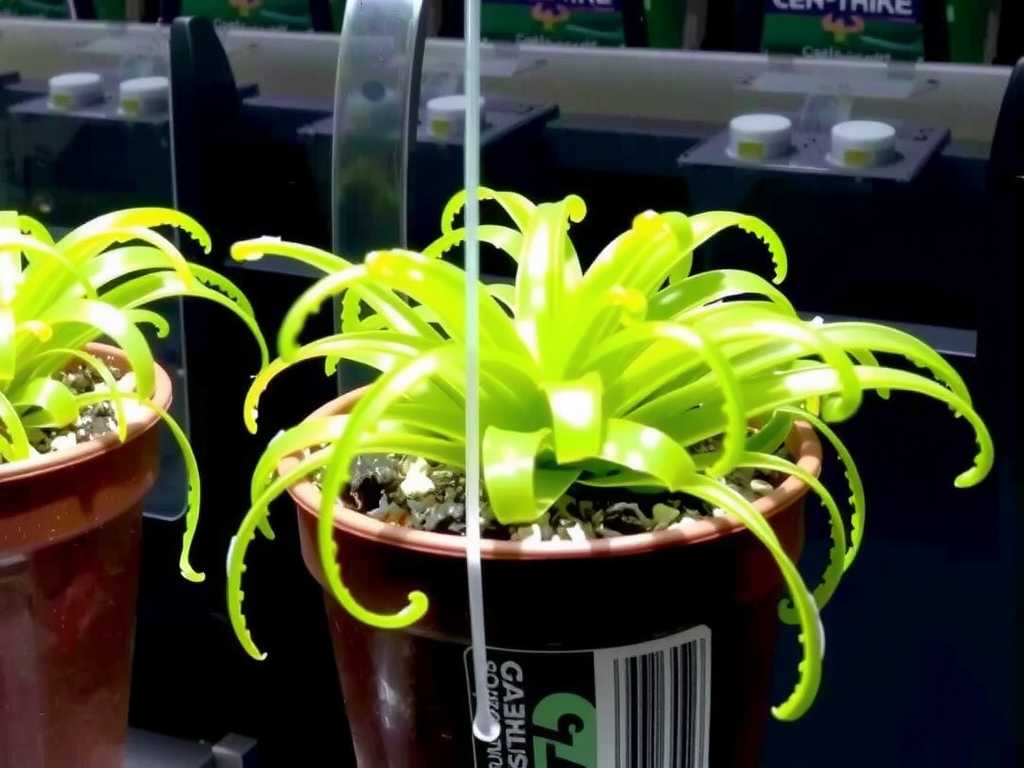
Understanding Your Epiphytic Bladderwort's Unique Needs
Before we dive into the daily routine, it's crucial to grasp why large mounts are tricky. Unlike terrestrial bladderworts, epiphytic species like Utricularia alpina, U. quelchii, or U. campbelliana have evolved to absorb moisture and nutrients through their stems and tiny, sophisticated bladder traps from humid air and rain runoff in their native cloud forests. They don't have traditional roots for soil. A large mounting surface, while aesthetically magnificent, increases the surface area for evaporation. The goal, then, is to create a stable, humid microclimate around the plant while ensuring the mount itself never becomes waterlogged—a sure path to stem rot.
Authorities like the International Carnivorous Plant Society (ICPS) and expert growers such as Bob Ziemer’s observations in the Carnivorous Plant Newsletter consistently emphasize that success hinges on high humidity, bright, filtered light, and excellent air circulation. It’s a balancing act I had to learn through practice.
My Step-by-Step Care Protocol for Large Mounts
Here is the exact regimen I developed and followed meticulously for two weeks, documenting the plant's response daily.
Creating the Ideal Environment
My first step was setting up the right home. I chose a well-ventilated terrarium with two computer fans for gentle, constant air movement. This is non-negotiable. Stagnant air invites fungal issues. I placed the large bladderwort mount inside, ensuring it was positioned vertically to mimic its natural growth habit and to allow excess water to drain freely. The lighting was provided by strong, full-spectrum LED strips, timed for 14 hours a day, but diffused by a layer of sheer fabric to prevent leaf scorch.
The Daily Watering and Humidity Dance
This was the most critical learning curve. Drenching the mount like a potted plant is disastrous. My method evolved into a two-pronged approach:
- Fogging/Misting: Twice daily—once in the early morning and again in the late afternoon—I used a fine mist sprayer to thoroughly coat the bladderwort's foliage and the surface of the mount. The water was always reverse osmosis or distilled, as recommended by experts to prevent mineral buildup. The key is to simulate morning dew and evening mist, not to soak the core of the mount.
- Soaking: Every third day, in the morning, I would take the entire mount out of the terrarium and fully submerge it in a basin of pure water for 15-20 minutes. This allowed the cork bark to absorb moisture internally, acting as a reservoir. I then let it drip-drain completely before returning it to the enclosure.
Observation Log: The First 72 Hours
- Day 1: Post initial setup and misting. Plant looks good but some stems appear slightly wilted—likely transplant stress.
- Day 2: Increased misting to three times. Wilt persists. Anxiety sets in.
- Day 3: Performed the first scheduled soak. Within 4 hours, a visible change! The wilted stems plumped up. The epiphytic carnivorous plant showed its first positive response. Lesson learned: Surface misting alone was insufficient; the internal moisture reserve from soaking was vital.
Nutrition: Feeding the Tiny Traps
Bladderworts are carnivorous, but their microscopic traps catch prey autonomously. In an enclosed environment, they might not catch enough. After consulting with experienced growers on forums like TerraForums, I adopted a safe feeding practice. Once a week, using a pipette, I would introduce a diluted solution of Maxsea or similar foliar fertilizer (at 1/4 strength) into the misting routine. I applied it directly to the stems and leaves, avoiding heavy drenching. This provided a gentle nutrient boost.
The Pitfalls I Encountered and How I Solved Them
My two-week trial was not without issues. Here’s where real experience trumps any generic guide.
The Fungus Scare (Day 5-7) After the successful soak on Day 3, I was overzealous. On Day 5, I misted too heavily in the evening without sufficient fan circulation overnight. By Day 6, I spotted a few small, white fuzzy patches on the backside of the cork bark, near the base of a few stems. Panic! This is a common killer.
My Solution: I immediately removed the mount. With a soft brush dipped in a diluted hydrogen peroxide solution (1 part 3% H2O2 to 4 parts water), I gently dabbed the affected areas. I then left the mount out in open, airy shade for a full 12 hours to dry out more than usual. I also increased the fan speed in the terrarium. I skipped the next scheduled soak, relying only on light morning misting for two days. The fungus receded and did not return. This taught me the paramount importance of air circulation over constant wetness.
Inconsistent Growth (Throughout Week 2) While the plant stabilized, I noticed new stem growth was vigorous on the upper parts of the mount but slow at the bottom.
My Solution: I realized light wasn't penetrating evenly. I adjusted the angle of the LED lights and slightly rotated the mount every few days. Within days of this simple change, I observed new, tiny bladders forming on the lower stems. The plant was responding to better, more even light distribution.
Sustaining Health and Encouraging Blooms
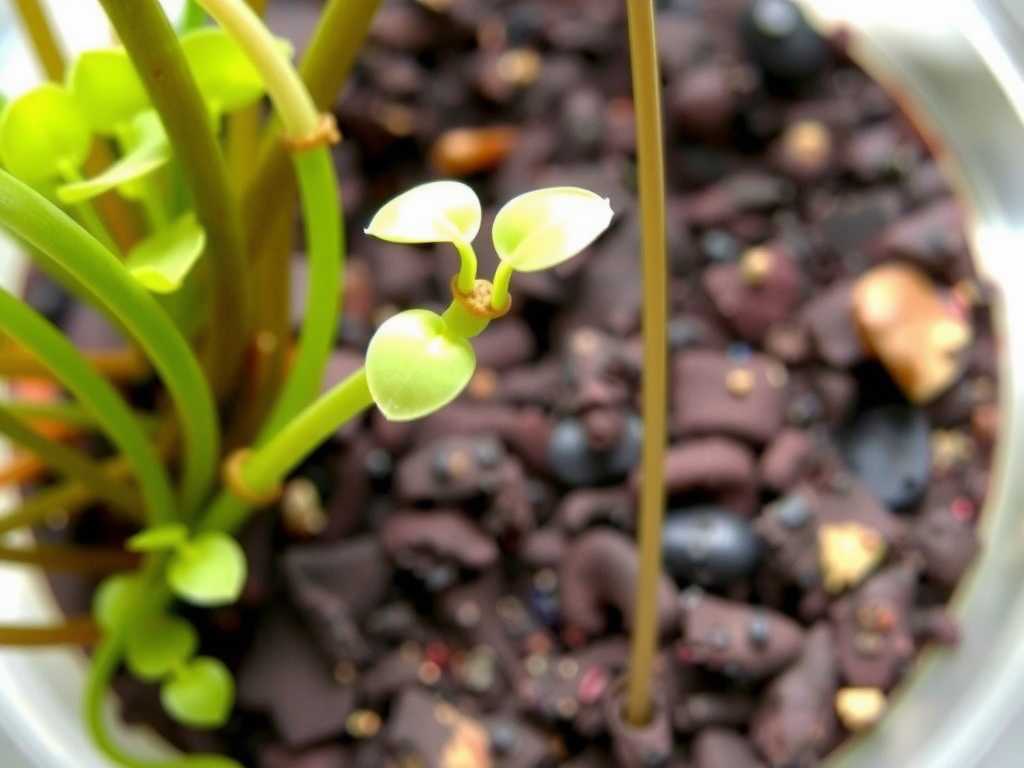
By the end of the two weeks, my large mount bladderwort was not just surviving but thriving. The stems were longer, a richer green, and covered in countless tiny bladders. The protocol was working. For long-term care, I’ve maintained this rhythm, and after several months, I was rewarded with the ultimate sign of health: flower spikes. For my Utricularia alpina, this meant beautiful, orchid-like white flowers. The trigger for blooming, consistent with the American Horticultural Society's findings on plant stress and flowering, seemed to be the stable, non-fluctuating conditions coupled with the gentle, consistent nutrient supply.
How often should I really water my mounted bladderwort? There's no universal schedule. It depends on your home's humidity, airflow, and mount size. The "touch test" is your best friend. The surface of the mount can feel dry, but the core (if it's thick cork or wood) should retain a slight coolness. My twice-daily misting and tri-weekly soak worked for my specific setup. Start there and adjust based on your plant's turgidity. If stems look limp, increase soak frequency slightly. If you see algae or fungus, increase air and decrease water.
Can I use tap water for misting? I strongly advise against it. The mineral content in tap water can clog the plant's delicate bladders and leave crusty deposits on the leaves and mount. Using pure water—distilled, reverse osmosis, or rainwater—is a cornerstone of success, as emphasized by all major carnivorous plant societies. It’s non-negotiable for long-term health.
What is the best material for a large bladderwort mount? Cork bark is excellent due to its moisture retention and texture. Driftwood, tree fern panels, or even large chunks of sphagnum moss wrapped around a frame can work. The material must be water-retentive yet breathable, and it must not contain any resins or salts (so avoid most commercial woods). My success came on cork bark, which provides an ideal anchor and moisture buffer.
Success with epiphytic bladderworts on large mounts is a testament to attentive, nuanced care. It requires moving beyond a simple watering can and embracing the role of a microclimate manager. By focusing on consistent high humidity through strategic misting and soaking, ensuring impeccable air movement, and providing pure water and gentle light, you can transform that initial challenge into a flourishing, breathtaking display. The sight of those intricate bladders and elegant flowers against the natural backdrop of the mount is more than worth the careful attention to detail.

发表评论