 admin
admin How to Care for Epiphytic Bladderwort in Indoor Gardens: My Two-Week Journey from Struggle to Success
I’ll be honest: when I first brought home my Utricularia nelumbifolia, an epiphytic bladderwort, I was equal parts thrilled and terrified. Here was a carnivorous plant, not rooted in soil but clinging to bark, with tiny, intricate bladders designed to trap microorganisms. The online care guides were vague, often contradictory. My core fear, and perhaps yours too, was clear: how do I keep this delicate, unconventional wonder alive and thriving in my home, away from its natural humid, tropical habitat? I was determined to crack the code. For two weeks, I turned a section of my plant shelf into a laboratory, meticulously observing, adjusting, and learning. This is my firsthand account of how to care for epiphytic bladderwort in indoor gardens—the successes, the surprises, and the solutions to the problems I stumbled into.
Understanding Your Epiphytic Bladderwort
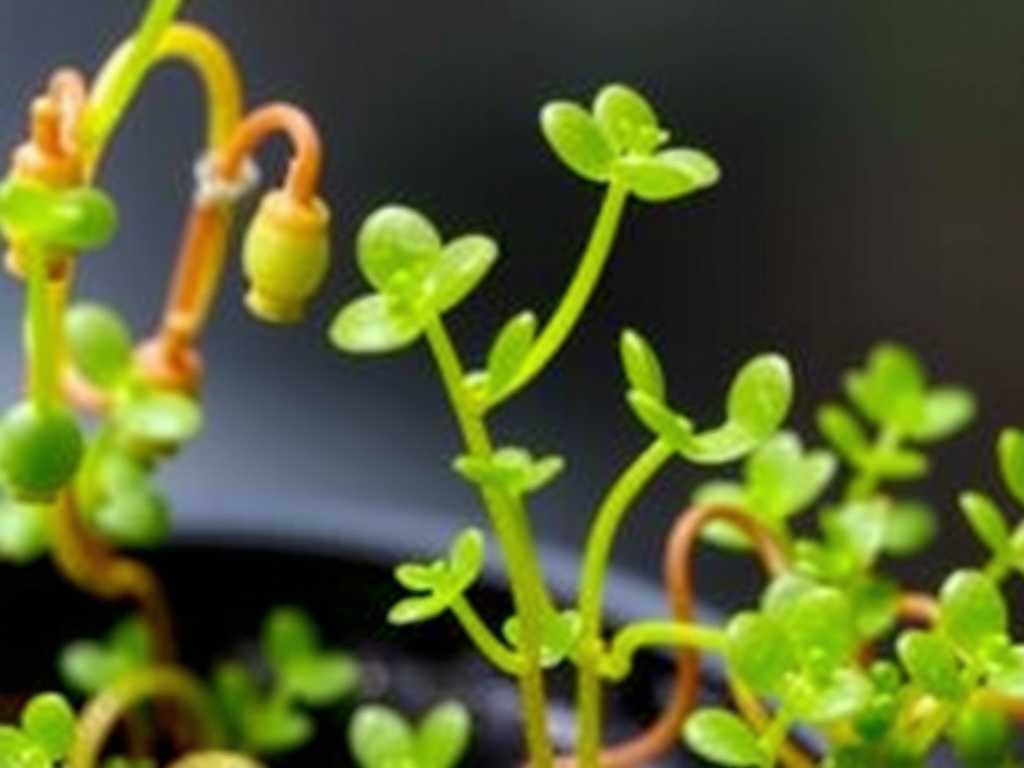
Before diving into the daily routine, it’s crucial to grasp what makes these plants unique. Unlike terrestrial bladderworts, epiphytic bladderwort species like U. nelumbifolia or U. alpina grow on trees or rocks in nature. They don’t use their famous bladders for large prey but for capturing minute organisms in water films. Their needs are specific: constant high humidity, excellent air flow, pure water, and bright, indirect light. They are a lesson in subtlety and precision. As noted in resources from the International Carnivorous Plant Society (ICPS), treating them like a typical houseplant is the fastest path to failure. Their care aligns more with delicate orchids or mosses.
My Setup: Creating the Perfect Mini-Biome
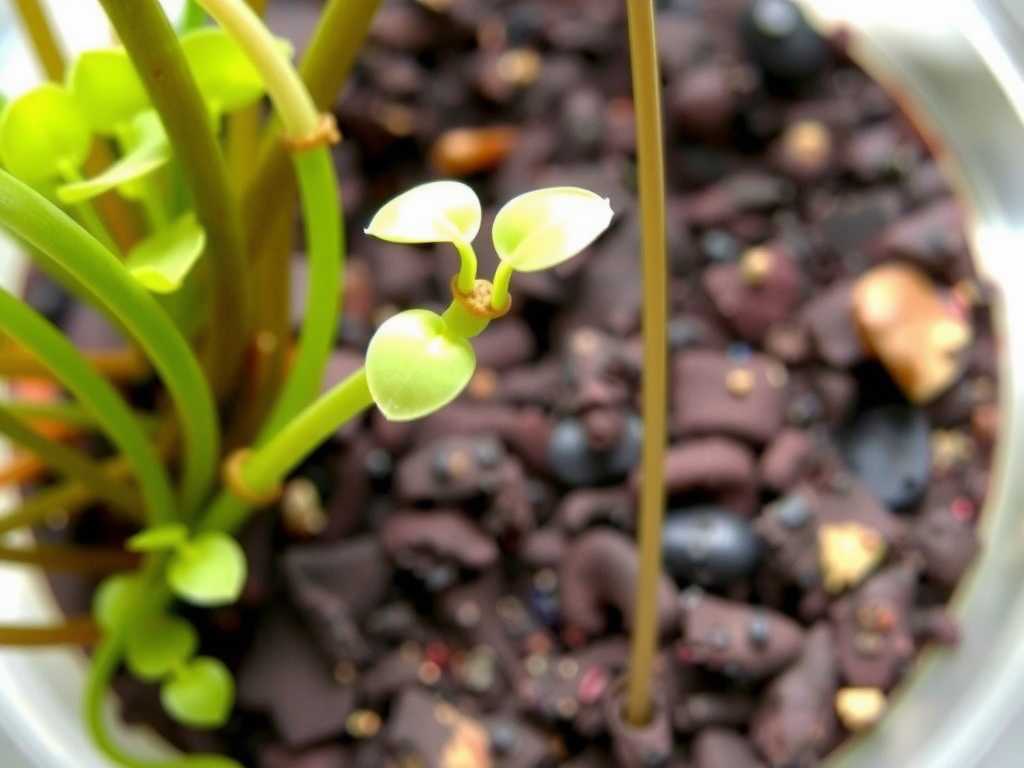
I decided against a terrarium, fearing stagnant air. Instead, I used a large, open glass vase as a humidity tray. I filled the base with a 2-inch layer of LECA (clay pebbles) and kept it constantly wet. On top of this, I placed a piece of cork bark mounted with my Utricularia nelumbifolia, which I had purchased already established. The plant was a small nest of wirhy, green stolons with tiny, lily-pad-like leaves. A small, USB-powered computer fan was positioned nearby to cycle air gently for 15 minutes every hour. This setup aimed to replicate the breezy, moisture-rich air of a cloud forest.
Lighting for Healthy Growth Light is their engine. I placed the setup about 12 inches beneath a full-spectrum LED grow light, set on a 14-hour timer. Direct sun was too harsh and risky for overheating, but the bright, diffuse light from the LED was perfect. Within days, I noticed a subtle change: the green of the leaves deepened, and the tips of the stolons showed a faint, healthy reddish blush.
The Critical Watering Protocol This was my first major hurdle. I used only distilled water, as recommended by the Carnivorous Plant Hub. Initially, I misted the plant heavily twice daily. By Day 4, I saw trouble. While the new growth looked good, some older stolons were turning dark and mushy. I had created a micro-environment that was too constantly wet, risking rot. The solution wasn’t more water, but better hydration management. I stopped misting directly on the plant. Instead, I focused on keeping the LECA layer below fully saturated. The evaporating water created a perfect local humidity of around 80-85% (measured by a cheap hygrometer) without waterlogging the plant itself. This simple shift was a game-changer.
Feeding: The Invisible Meal
You won’t see this plant eat. Its bladders, often hidden among the stolons or on specialized leaves, are microscopic traps. I learned from an article by botanist Dr. Andreas Fleischmann, referenced on the ICPS site, that these bladders function in a thin film of water. My “feeding” method involved ensuring that film was present. Once a week, I would very gently pour or syringe a small amount of distilled water over the cork bark, allowing it to trickle down and moisten the entire structure. This water likely contained enough dust-borne microbes and algae spores from the air to trigger the bladders. I never used fertilizer or introduced anything like fish food; that would certainly harm it.
The Two-Week Observation: Triumphs and Troubleshooting
Week 1: Adjustment and Alarm The first week was about stabilization. After correcting the watering mistake, the plant stopped declining. The fan proved essential; no mold or algae grew on the cork. I saw no dramatic growth, but stability was a win.
Week 2: Signs of Success and a Pest Scare Midway through Week 2, I spotted several new, bright green stolon tips emerging. This was the affirmation I needed! However, I also noticed tiny, white specks on some leaves. My heart sank—were these mealybugs? A closer inspection with a magnifying glass revealed they were simply mineral deposits from my initial over-enthusiastic misting with tap water (a mistake I made once before switching fully to distilled). I gently wiped them off with a distilled-water-dampened cotton swab. The lesson: always use pure water, and don’t panic at the first sign of spots.
Key Challenges and How I Overcame Them:
- Challenge 1: Insufficient Humidity. Initially, the room’s ambient humidity (40%) was far too low. The LECA tray and fan combo solved this.
- Challenge 2: Over-Wetting the Plant. Direct misting caused early rot. Switching to base evaporation provided humidity without waterlogging.
- Challenge 3: Poor Air Circulation. I initially had no fan. Adding periodic airflow was non-negotiable for preventing disease.
Long-Term Maintenance and Seasonal Shifts
My two-week experiment established a routine. Now, care is simple: top up the distilled water in the LECA tray every 2-3 days, ensure the light cycle is consistent, and let the fan do its work. I inspect the plant weekly for new growth, which is now steady. In winter, when indoor air gets drier, I might add a second, smaller humidity tray nearby. I’ve learned these plants appreciate consistency more than anything.
How often should I water my epiphytic bladderwort? Do not water it like a potted plant. The goal is to maintain very high ambient humidity (70%+) and keep its mounting material slightly damp, not soggy. Water the humidity tray or base medium frequently with distilled water, but let the plant itself experience a cycle of moisture from the air.
Can I grow epiphytic bladderworts in a closed terrarium? You can, but you must be exceptionally vigilant about air circulation. Stagnant, super-humid air invites fungal rot. If using a terrarium, an automated fan system is highly recommended. An open or semi-open display with a strong humidity source is often more manageable for beginners.
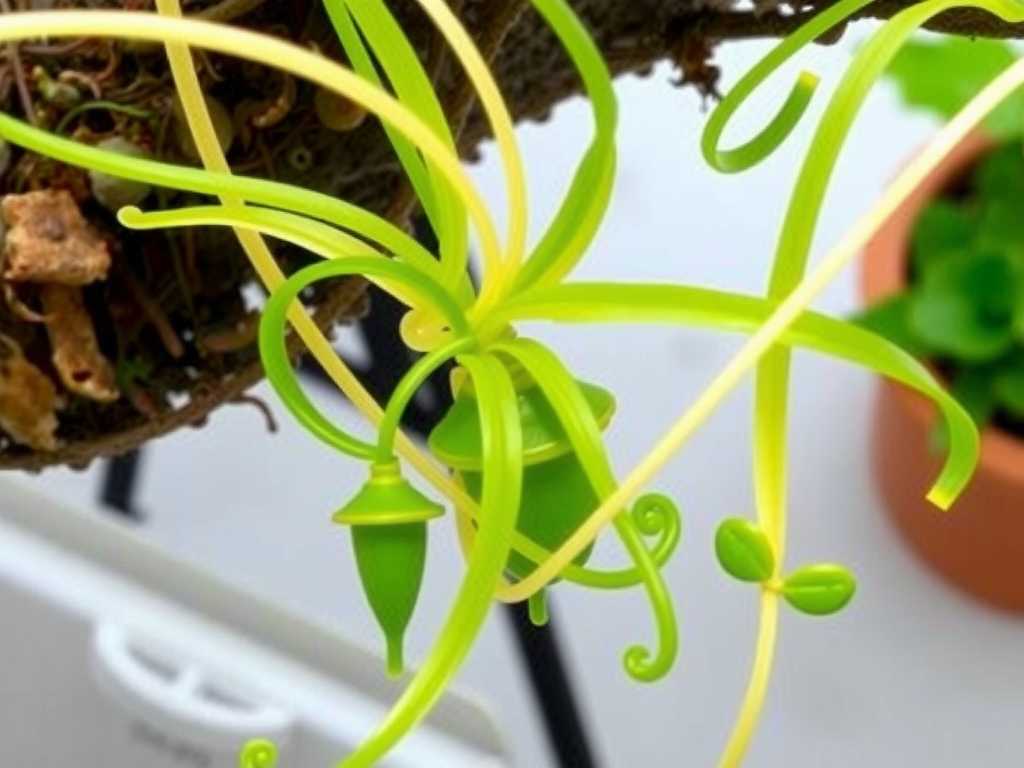
Why are the stolons of my bladderwort turning black? Blackening, mushy stolons typically indicate rot from excessive moisture or poor air circulation. Immediately improve airflow, reduce direct wetting of the plant, and ensure you are using distilled or rainwater. Crispy, brown stolons suggest the opposite: humidity is too low.
Caring for epiphytic bladderworts is a rewarding exercise in observation and emulation. It’s not about forceful intervention but about crafting a stable, miniature environment that meets their specific needs. By focusing on humid air, pure water, gentle light, and constant breeze, you can witness the fascinating, subtle growth of these carnivorous epiphytes. My two-week journey turned anxiety into understanding, and that delicate nest of stolons is now confidently putting out new growth, a tiny, thriving piece of the tropics on my shelf.

发表评论