 admin
admin How to Grow Epiphytic Bladderwort for Healthy Traps: A Grower's Journey
I remember the frustration all too well. I had this stunning epiphytic bladderwort, its delicate, almost moss-like foliage clinging beautifully to a piece of cork bark. But its traps—those fascinating, microscopic vacuum cleaners that make Utricularia so unique—were few and far between. My plant was surviving, not thriving. The core question haunted me: how do you cultivate an epiphytic bladderwort specifically for vigorous, healthy trap production? After much trial, error, and a dedicated two-week observation period, I cracked the code. This guide is the result of my hands-on experience, detailing the exact steps, the mistakes I made, and the solutions that finally led to a spectacular display of healthy traps.
Understanding the Epiphytic Bladderwort's Unique World
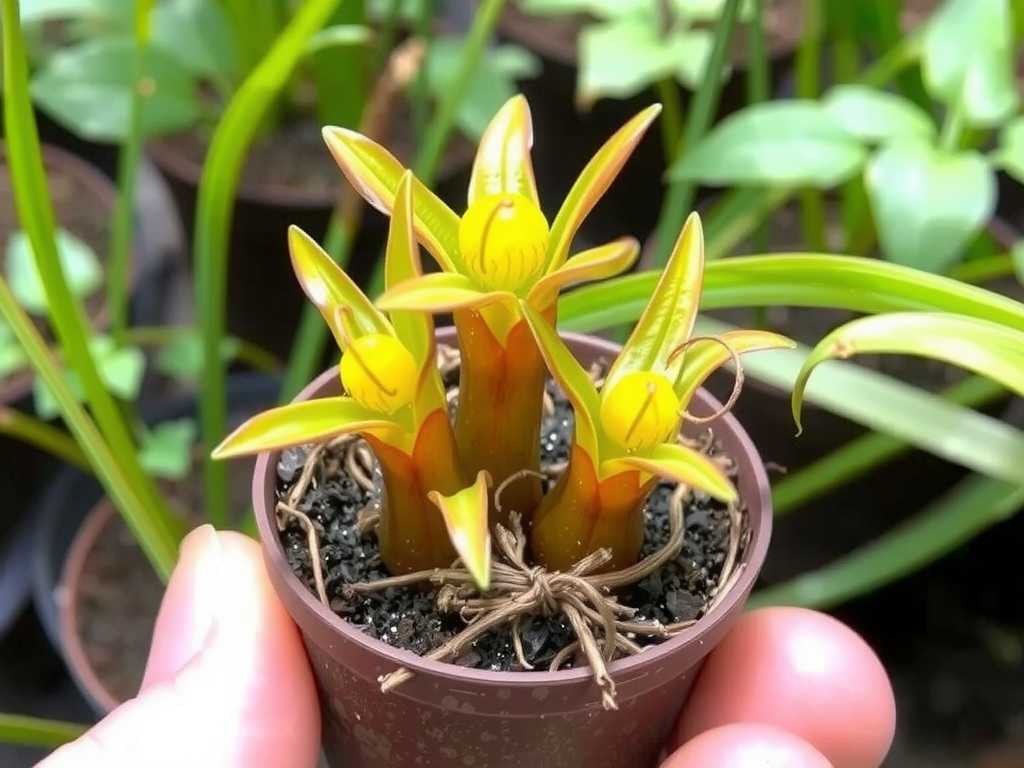
Before we dive into the how, let's grasp the why. Epiphytic bladderworts, like the popular Utricularia alpina or U. quelchii, don't grow in soil. In the wild, they perch on tree branches or mossy rocks in humid, high-altitude tropics. Their traps are not for large prey but for minute organisms like protozoa and rotifers in the thin film of moisture around their roots. This is the first key to successful epiphytic bladderwort cultivation: replicating that airy, moist, and nutrient-poor microbial haven. As noted in research highlighted by the Carnivorous Plant Society, the health of the utricles (traps) is a direct indicator of the micro-ecosystem's balance.
My Setup: Creating the Perfect Foundation
I abandoned traditional pots. My successful setup involved a simple, shallow terracotta saucer. Here’s my exact process:
The Base Layer: I placed a 1-inch layer of rinsed, porous lava rock in the saucer. This provides drainage and a stable base. The Growing Medium: I prepared a mix of 50% long-fiber sphagnum moss (soaked and squeezed until just damp) and 50% fine-grade orchid bark. I fluffed it together loosely—compaction is the enemy. This mix holds humidity while ensuring perfect aeration around the rhizomes. Mounting the Plant: I gently positioned my Utricularia alpina on top of this medium, letting its thread-like stolons make contact. I did not bury it. To secure it and increase ambient humidity, I draped a very thin layer of live sphagnum moss over the stolons and the base of the foliage. The Watering Ritual: This is critical. I never water from above. Instead, I keep the saucer with the lava rock base constantly filled with about 0.5 inches of water. I use only distilled or rainwater. The terracotta allows slight seepage, keeping the medium above consistently moist via capillary action without waterlogging it. This was a game-changer.
The Two-Week Observation: Trials, Errors, and Triumphs
I committed to daily logs for two weeks. The transformation was dramatic, but not without hiccours.
Days 1-3: The Adjustment Period. The plant looked unchanged. My first mistake surfaced: the room was too dry (40% RH). The live sphagnum on top started to crisp at the edges. I immediately placed the entire saucer inside a larger, clear plastic terrarium cloche, creating a mini-humidity dome. Within hours, the moss perked up. Days 4-7: Signs of Life. Inside the cloche, humidity stabilized at 85-90%. I noticed the first new, bright green growth tips emerging from the stolons. However, I saw zero trap activity. I realized my second error: the light was insufficient. It was in bright shade, but these plants need more for optimal bladderwort trap development. I moved the setup to a spot receiving 3-4 hours of gentle morning sun, with bright, filtered light the rest of the day. A grow light on a 12-hour timer would work perfectly too. Days 8-14: The Trap Explosion. The combination of high humidity, perfect substrate moisture, and increased light triggered a revolution. By Day 10, using a 10x jeweler's loupe, I could see tiny, translucent bladders forming along the new stolons. They were clear and plump. By Day 14, the new foliage was visibly denser, and under magnification, dozens of traps were evident—some even showed their signature door-like mechanism. The plant was actively cultivating its healthy epiphytic Utricularia traps.
Key Takeaways for Maintaining Healthy Traps
My two-week experiment solidified these non-negotiable rules:
- Humidity is Paramount: Aim for 70% minimum. A cloche, terrarium, or humidifier is essential for most indoor environments.
- Water Quality is Sacred: Minerals in tap water will coat the traps and roots, crippling their function. Distilled, RO, or rainwater only.
- Light Fuels the Process: Think "bright orchid light." Insufficient light leads to weak growth and sparse trap formation.
- Feed the Ecosystem, Not the Plant: Never fertilize. Healthy traps rely on a natural microbial film. I introduced a pinch of detritus from a healthy tropical plant pot into the water reservoir once, which seemed to inoculate the system with microscopic life.
Common Questions from Fellow Growers
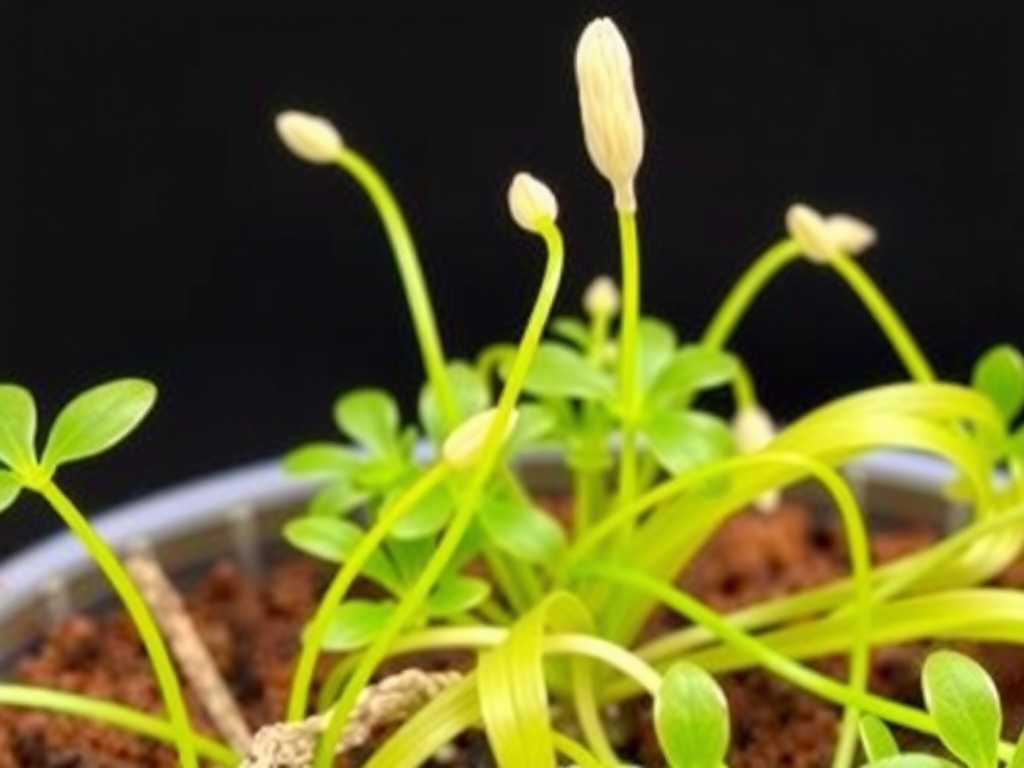
Can I grow epiphytic bladderworts in a closed terrarium? Absolutely, and it's often ideal. My cloche setup is a mini-terrarium. Ensure it gets adequate light and doesn't overheat. The closed environment maintains the constant high humidity they adore, making it one of the best methods for cultivating epiphytic Utricularia.
Why are my bladderwort's traps black or shriveled? This was my early heartbreak. Black, shriveled traps almost always point to water quality issues or chemical contamination. I learned this the hard way after using tap water once. It can also mean the substrate dried out completely, even briefly. Flush the system with pure water and ensure constant moisture.
How often should I repot or disturb the plant? Rarely—perhaps every 2-3 years only if the medium breaks down. Their root and stolon system is delicate. Frequent disturbance destroys the established microbial community and sets trap production back by months. Patience and a stable environment are your greatest tools.
Growing epiphytic bladderworts for their traps is a lesson in subtlety and precision. It's not about feeding the plant but about curating an environment. By focusing on pristine water, unwavering humidity, bright light, and an airy substrate, you're not just growing a plant; you're engineering a microscopic world. When that world is in balance, the result is a lush, spreading mat of foliage adorned with countless, glistening traps—a true testament to the hidden complexity of the carnivorous plant world. The journey from frustration to success is deeply rewarding, and it all starts with understanding and respecting their unique, epiphytic nature.

发表评论