 admin
admin How to Fix Epiphytic Bladderwort Yellowing Foliage Fast
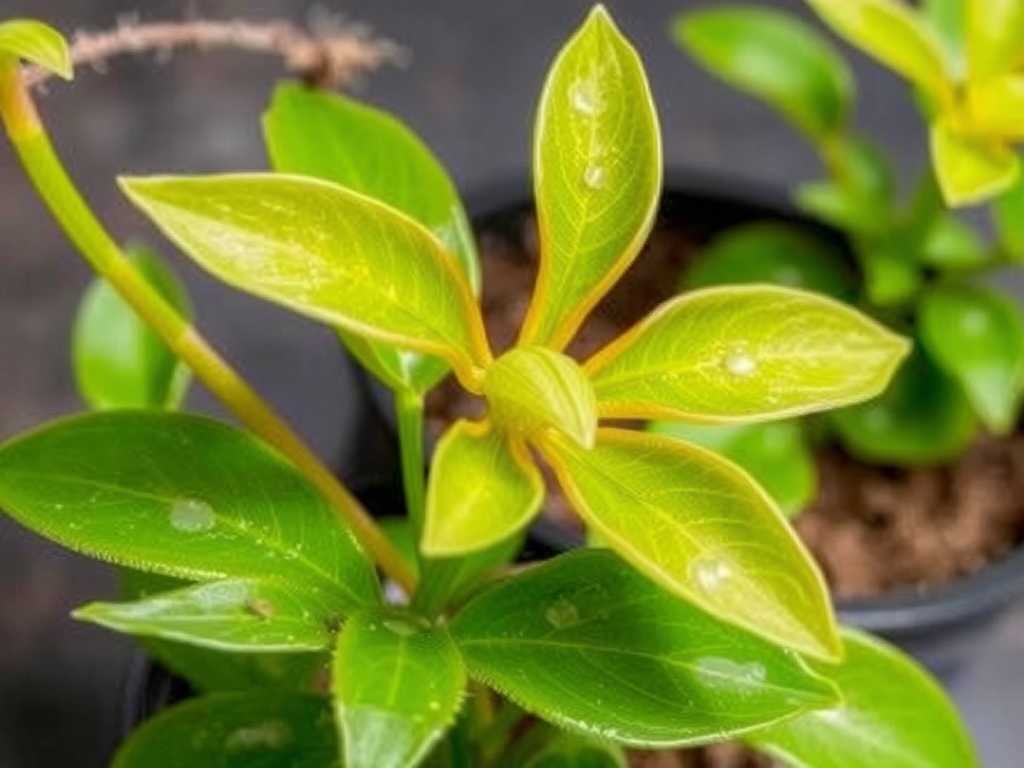
You’ve carefully cultivated your unique epiphytic bladderwort, fascinated by its intricate foliage and carnivorous nature. Then, you notice it—a subtle, then alarming, yellow tinge creeping across the leaves. Panic sets in. Is it dying? What went wrong? Don’t despair. Yellowing foliage in epiphytic bladderworts (Utricularia species) is a common distress signal, but one you can quickly diagnose and remedy. This guide will walk you through the precise, fast-acting steps to restore your plant’s vibrant green health.
Understanding Why Your Bladderwort’s Leaves Turn Yellow
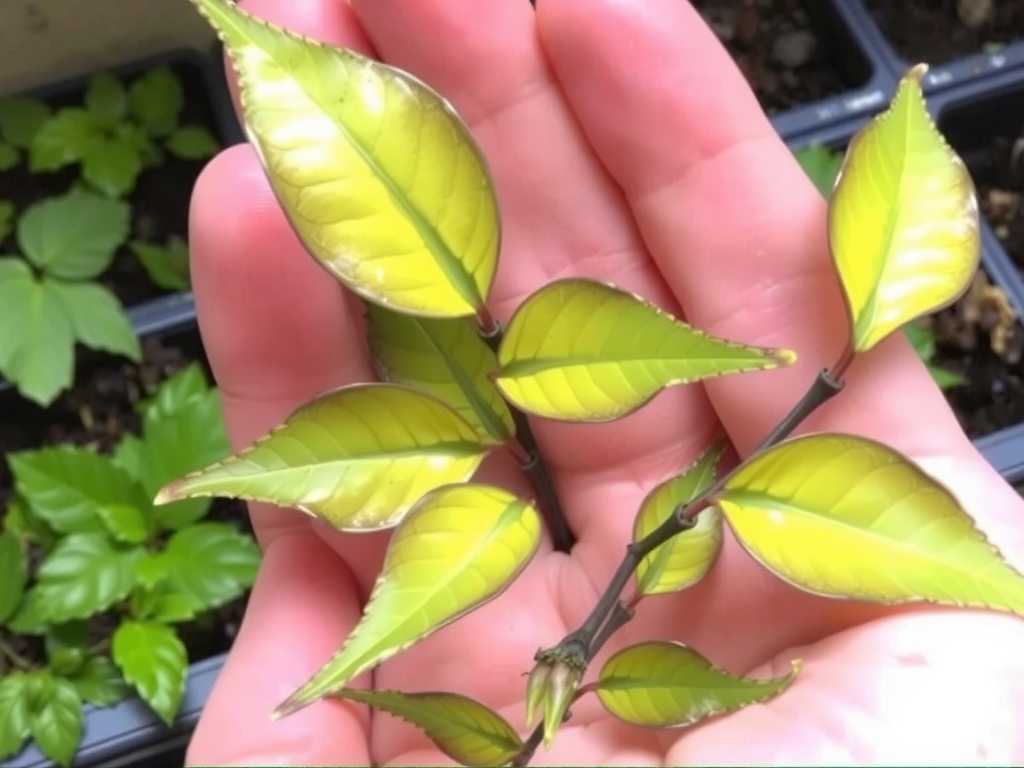
Before applying any fix, accurate diagnosis is crucial. Epiphytic bladderworts are not typical houseplants; they are specialized carnivores that grow on trees or rocks in nature, absorbing moisture and nutrients from air, rain, and captured prey. Yellowing, or chlorosis, indicates a breakdown in one of these critical processes. The most common culprits are interconnected.
Incorrect Water Quality and Moisture Levels This is the number one cause of yellowing foliage. Tap water contains minerals (like chlorine, fluoride, and salts) that these sensitive plants cannot tolerate. These minerals build up in the growing medium, burning roots and rhizoids and blocking nutrient uptake. Simultaneously, while they need constant moisture, soggy, stagnant conditions without proper air circulation can suffocate the plant’s base, leading to rot and yellowing leaves from the bottom up.
Lighting Stress: Too Much or Too Little Epiphytic bladderworts thrive in bright, indirect light. Insufficient light weakens the plant, reducing chlorophyll production and resulting in pale, yellowish, or elongated growth. Conversely, intense direct sunlight, especially through a window, can scorch the delicate leaves, causing bleached or yellow-brown patches. Finding the light sweet spot is key.
Nutritional Deficiencies and Substrate Issues Unlike soil-grown plants, epiphytic bladderworts derive minimal nutrition from their substrate. They rely on trapping microscopic organisms. In a sterile indoor environment, prey can be scarce. A chronic lack of accessible nutrients, particularly nitrogen, can manifest as overall yellowing. Furthermore, an old, decomposed, or overly water-retentive substrate can contribute to root zone problems.
Step-by-Step: Fast Action Plan to Restore Green Foliage
Step 1: Immediate Assessment and Adjustment of Water Stop using tap water immediately. Flush the plant’s mount or pot thoroughly with distilled water, reverse osmosis (RO) water, or rainwater. This helps leach out any accumulated salts. For ongoing care, only use these pure water sources. Check your watering routine: the substrate should be kept damp to the touch but never waterlogged. If mounted, ensure daily misting or soaking provides moisture without constant sogginess. Improving air flow around the plant can prevent stagnation.
Step 2: Optimize Light Exposure Evaluate your plant’s location. Ideal lighting is similar to that for orchids or bromeliads—bright but filtered. An east-facing window is often perfect. If light is too low, move the plant closer to a light source or consider a gentle LED grow light placed 6-12 inches away, running for 10-12 hours daily. If you suspect sun scorch, relocate the plant to a spot with dappled light or use a sheer curtain as a filter. You should see an improvement in color within a few weeks under corrected lighting.
Step 3: Address Nutrition and Substrate Health While fertilizing carnivorous plants must be done with extreme caution, epiphytic bladderworts can benefit from extremely dilute fertilization. Experts like Dr. Barry Rice, author of "Growing Carnivorous Plants," note that some growers successfully use diluted orchid fertilizer at 1/4 strength or Maxsea fertilizer, applied as a fine mist to the leaves only, once a month during active growth. This can provide the nitrogen needed to green up foliage. Never pour fertilizer into the substrate. If your plant is in old, broken-down sphagnum moss or a compacted mix, plan a repotting into fresh, long-fiber sphagnum moss or a specialized epiphytic mix, but only when the plant is stable.
Step 4: Environmental Fine-Tuning Epiphytic bladderworts prefer high humidity (50-70%) and moderate temperatures. Low humidity can stress the plant, compounding other issues. Use a humidity tray or a room humidifier. Ensure temperatures stay between 60-80°F (15-27°C), avoiding cold drafts or hot vents. A stable, humid environment supports recovery and new, healthy green growth.
Preventative Care for Long-Term Vibrant Foliage
Consistency is your best defense against future yellowing. Establish a strict routine using pure water. Monitor light levels seasonally as the sun’s angle changes. Repot every 1-2 years in fresh media to prevent decay and compaction. Observe your plant closely; it will tell you what it needs. Healthy new growth is the ultimate sign you’ve corrected the problem.
Why are the traps on my bladderwort also turning yellow or black? Traps have a natural lifecycle—they age, die, and are replaced. A few yellowing traps are normal. However, if most traps and foliage are yellowing simultaneously, it points to the systemic issues discussed above: water quality, light, or environment. Address the plant's overall health, and new traps will form.
Can I use succulent soil for my epiphytic bladderwort? Absolutely not. Succulent soil is designed for fast drainage and is often mineral-rich. Epiphytic bladderworts require an acidic, moisture-retentive yet airy, nutrient-poor medium like long-fiber sphagnum moss, orchid bark mixes, or tree fern fiber. The wrong substrate will quickly lead to root damage and yellow foliage.
How fast can I expect to see improvement after correcting care? Patience is essential. Stopping further damage is immediate. You may see the yellowing halt within days. However, the development of new, healthy green leaves and overall recovery can take several weeks to a couple of months. The plant needs time to redirect its energy into new growth.
Watching your epiphytic bladderwort’s foliage lose its color is unsettling, but it’s a solvable problem. By systematically eliminating the common causes—starting with pure water, balancing light, and providing gentle nutrition—you create the conditions for a rapid comeback. These fascinating plants are resilient when given their specific needs. With your attentive care guided by these steps, you’ll soon see a return of the lush, green vitality that makes your bladderwort so captivating.

发表评论