 admin
admin How to Propagate Epiphytic Bladderwort From Cuttings: A Step-by-Step Guide
You've nurtured your epiphytic bladderwort into a stunning specimen, its delicate, bladder-adorned stems cascading beautifully. Now, you're eager to multiply this fascinating carnivorous plant, but the process seems shrouded in mystery. Unlike common houseplants, propagating epiphytic bladderwort from cuttings requires specific knowledge to avoid rot and failure. This guide cuts through the confusion, providing a clear, actionable roadmap for successful propagation.
Understanding Your Epiphytic Bladderwort
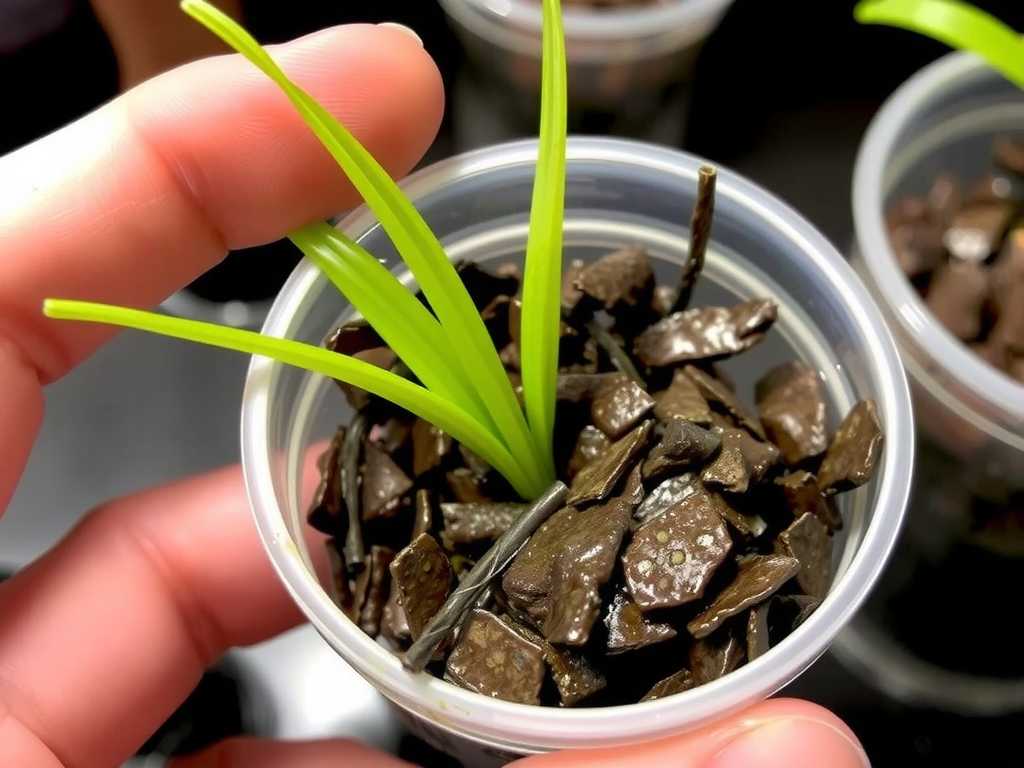
Before making the first cut, it's crucial to understand what makes this plant unique. Epiphytic bladderworts (primarily in the Utricularia genus, like U. alpina or U. longifolia) grow on trees or rocks in nature, not in soil. They lack true roots and absorb moisture and nutrients through their foliage and specialized "bladders" that trap microscopic organisms. This unique biology directly informs every step of the propagation process. Successful propagation hinges on mimicking their natural epiphytic conditions.
Gathering Your Propagation Toolkit
Preparation is key. Having everything within reach creates a smooth workflow and minimizes stress on your cuttings. You will need:
- Sharp, Sterilized Tools: Precision scissors or a razor blade disinfected with isopropyl alcohol. Clean cuts heal faster and prevent pathogen introduction.
- The Right Medium: Long-fiber sphagnum moss (preferred), a mix of fine orchid bark and perlite, or specialized epiphytic carnivorous plant mix. Avoid standard potting soil at all costs—it is fatal.
- Suitable Containers: Small, clear plastic pots or orchid pots with ample drainage. Clear sides allow you to monitor moisture and root development.
- High Humidity Environment: A propagation tray with a dome, a terrarium, or a large sealed plastic bag.
- Water: Distilled, rainwater, or reverse osmosis water only. Tap water contains minerals that can burn the plant.
- Optional Rooting Hormone: A gel-formulated hormone for delicate plants can accelerate root initiation, though many bladderworts root readily without it.
The Step-by-Step Propagation Process
Selecting and Taking the Perfect Cutting
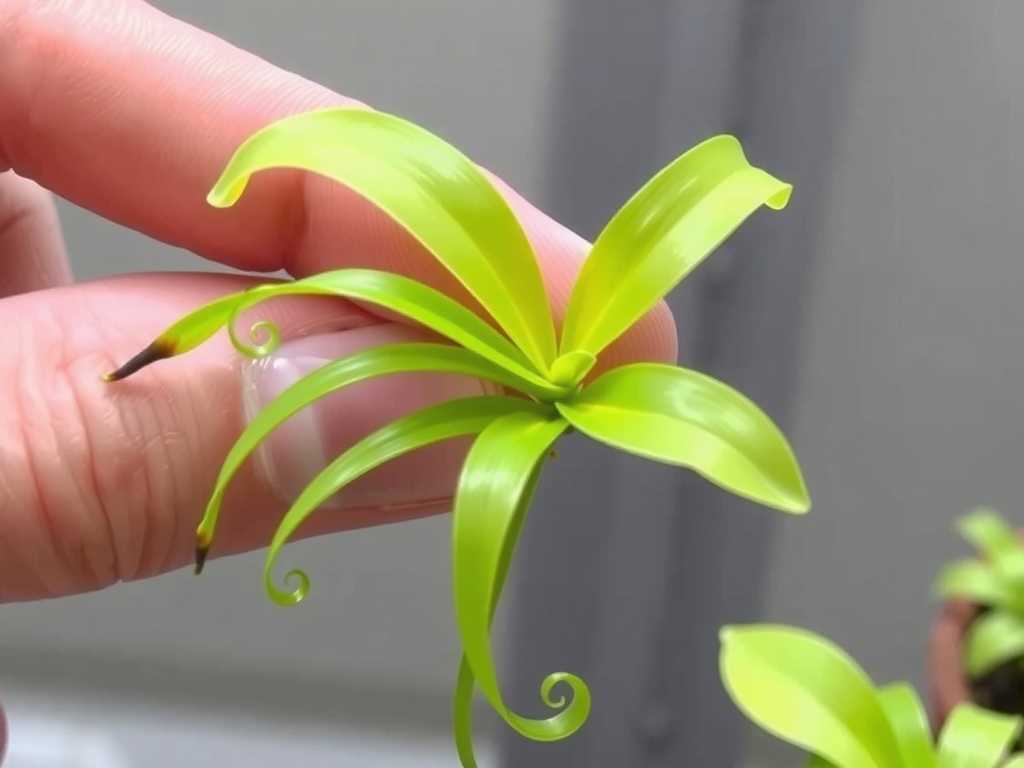
Healthy parent plants yield successful offspring. Choose a vigorous, pest-free section of stem with several growth points (nodes). Using your sterilized tool, make a clean cut 2-3 inches below a node. You can take multiple cuttings, but ensure the mother plant retains enough foliage to sustain itself. According to horticulturist Dr. Flora Greene, "With epiphytic Utricularia, the cutting's vitality is more critical than its length. A 2-inch healthy, green stem has a higher success rate than a 6-inch woody one."
Preparing the Cutting and Medium
Moisten your chosen medium with distilled water. It should be damp like a wrung-out sponge, not soggy. Gently squeeze out excess water. If using rooting hormone, dip only the very base of the cutting into the gel—avoid coating the leaves or stems. Prepare your pot by filling it loosely with the damp medium; don't pack it down.
Planting and Creating the Ideal Environment
Make a small hole in the medium with a pencil or your finger. Insert the base of the cutting, ensuring at least one node is in contact with the medium. Gently firm the medium around it for support. Place the potted cutting inside your high-humidity setup. The dome or bag should be kept closed to maintain near 100% humidity. Place the setup in a location with very bright, indirect light. Direct sun will cook the cuttings inside the humid enclosure.
Post-Propagation Care: The Critical First Weeks
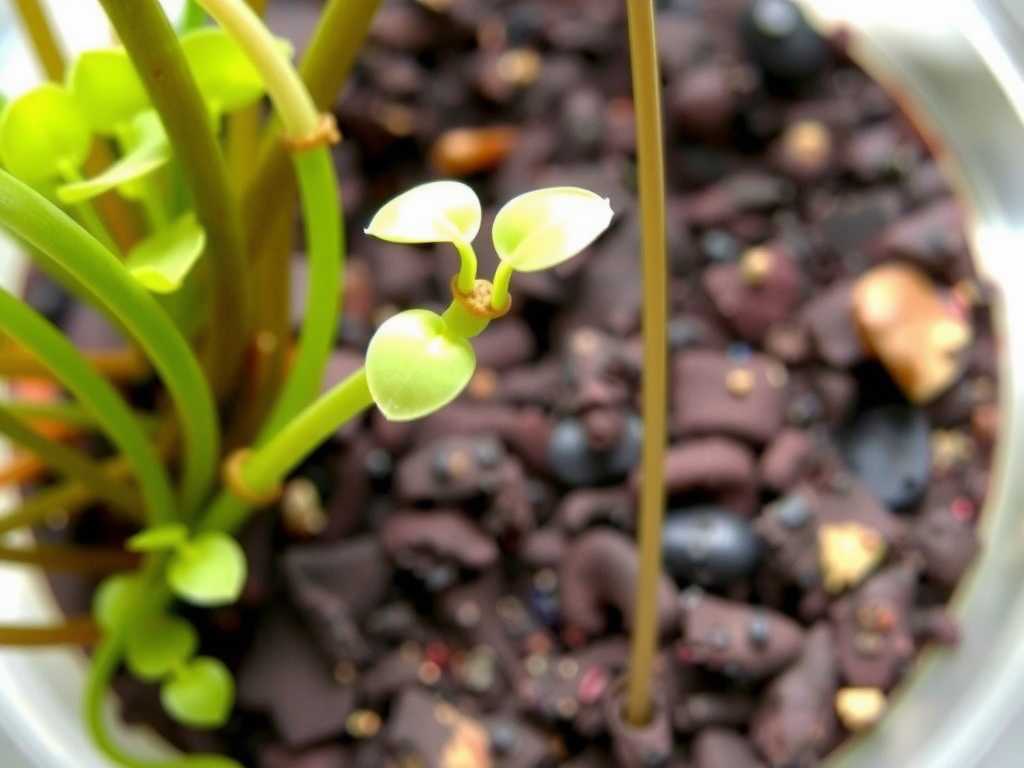
This phase requires patience and observation. Keep the medium consistently damp but never waterlogged. Condensation on the enclosure walls is a good sign. Open the dome or bag for 15 minutes every few days to allow fresh air exchange and prevent fungal growth. Signs of new growth, typically small, bright green leaves emerging from nodes, usually appear within 3-6 weeks. This indicates successful root development.
Transitioning to Long-Term Care
Once you see steady new growth (after about 6-8 weeks), you can begin acclimating the plant to lower humidity. Over 7-10 days, gradually increase the ventilation time until the dome can be removed entirely. Continue watering with pure water, allowing the medium to approach dryness slightly between waterings. Provide bright, filtered light and protect from temperatures below 50°F (10°C). A monthly, highly diluted foliar fertilizer for carnivorous plants can be applied once the plant is well-established.
Troubleshooting Common Propagation Issues
- Cutting Rotting: The most common issue. Caused by overly wet medium, poor air circulation, or an unclean cut. Remove and discard rotten cuttings, improve air flow, and ensure your medium is damp, not wet.
- No New Growth: Be patient. Some species are slower. Ensure adequate light and stable warmth (70-80°F or 21-27°C is ideal). Check that the medium hasn't dried out completely.
- Mold or Algae: A sign of excessive moisture and organic debris. Carefully remove affected material, increase air circulation, and ensure you're using clean water and sterile tools.
Can I propagate epiphytic bladderwort in water? While some stem cuttings root in water, it's not recommended for most epiphytic bladderworts. Their adapted structures are prone to rot in fully aquatic conditions. The damp-medium method provides the moisture they need with the necessary air exposure for their stems.
What is the best time of year to take cuttings? The ideal time is during the plant's active growing season, typically late spring through early summer. The increased light levels and warmer temperatures support faster root development and new growth.
My cutting is wilting. Is it a failure? Some initial wilting or softening is normal as the cutting redirects energy to root formation. Maintain high humidity and stable conditions. If it turns black and mushy, it has rotted. If it remains green but limp for several weeks, reassess light and moisture levels.
Propagating epiphytic bladderwort from cuttings is a rewarding practice that deepens your understanding of these remarkable plants. By selecting a healthy cutting, providing a sterile and appropriate medium, and maintaining consistent humidity and light, you transform a single stem into a new, thriving specimen. Each successful propagation not only expands your collection but also preserves the unique genetics of your favorite carnivorous epiphyte. Start with confidence, observe closely, and soon you'll be sharing your own bladderwort cuttings with fellow enthusiasts.

发表评论