 admin
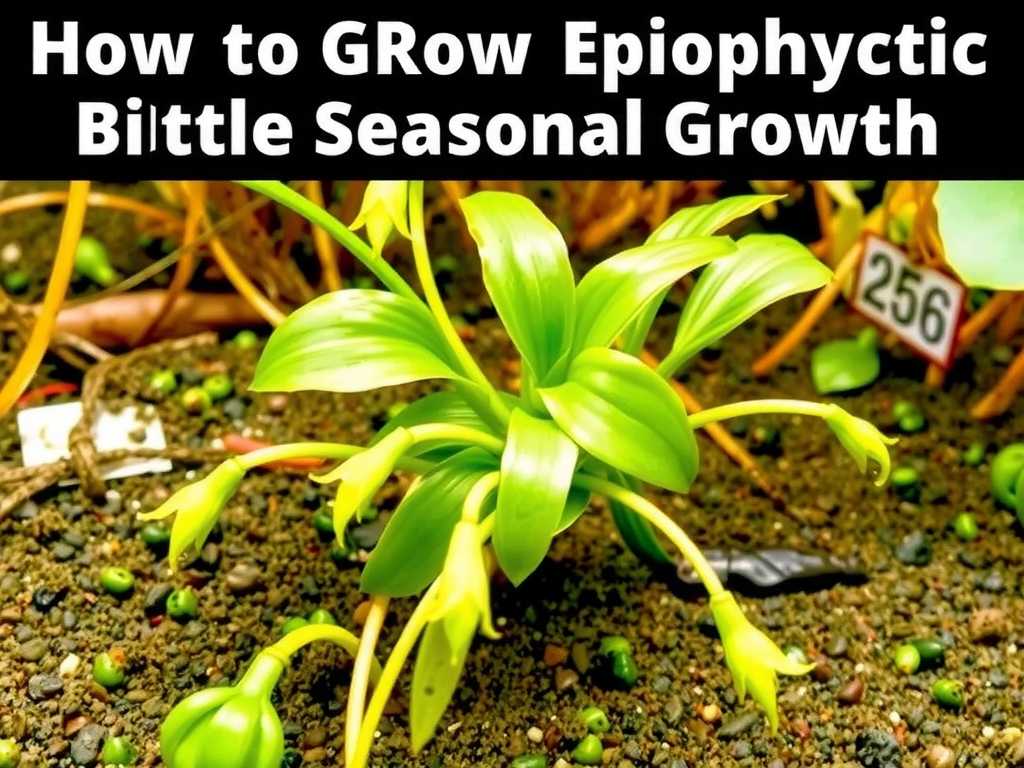
admin How to Grow Epiphytic Bladderwort in Terrariums Perfectly
You’ve created a beautiful, self-sustaining terrarium, a miniature world under glass. But something’s missing. You crave a plant that’s not just visually stunning but tells a story of incredible adaptation—a true conversation piece. Enter the epiphytic bladderwort. This carnivorous wonder, with its delicate, orchid-like flowers and tiny, ingenious traps, is the ultimate prize for the advanced terrarium enthusiast. Yet, its unique needs often lead to frustration: plants that mysteriously fail to thrive, traps that never form, or a sudden, puzzling decline. The challenge of replicating its specialized natural habitat can feel overwhelming.
This guide is designed to demystify that process. We will walk through every critical step, transforming the complex into the achievable. You will learn not just how to keep your bladderwort alive, but how to create an environment where it flourishes, flowers, and showcases its remarkable predatory nature.
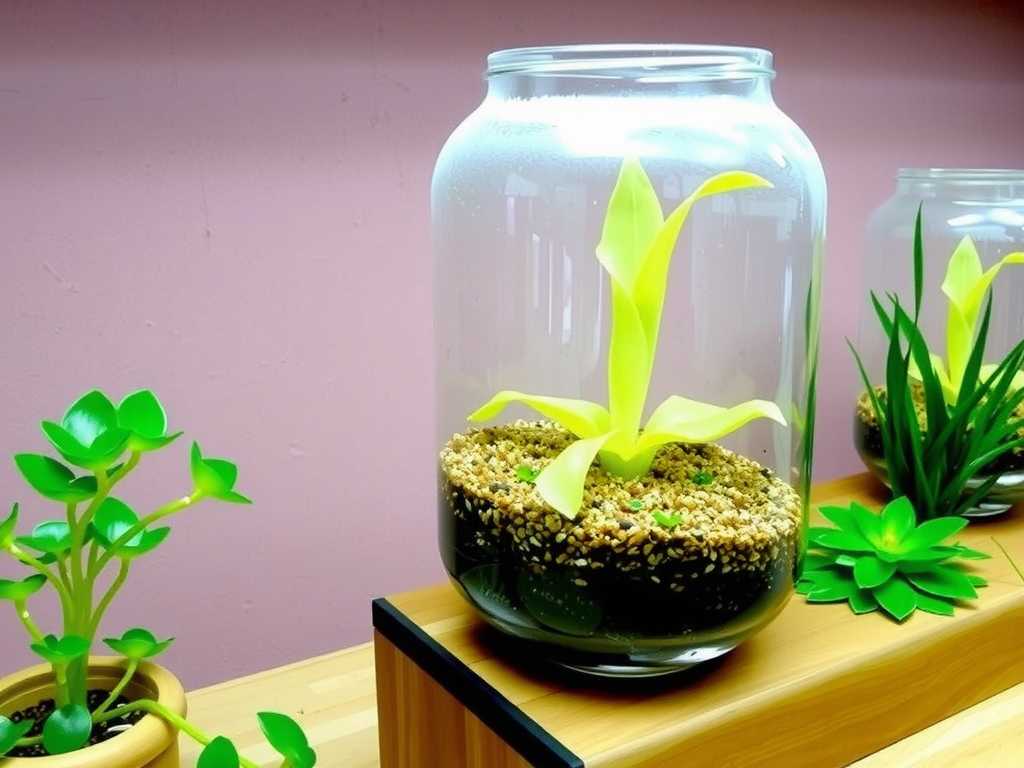
Understanding Your Epiphytic Bladderwort
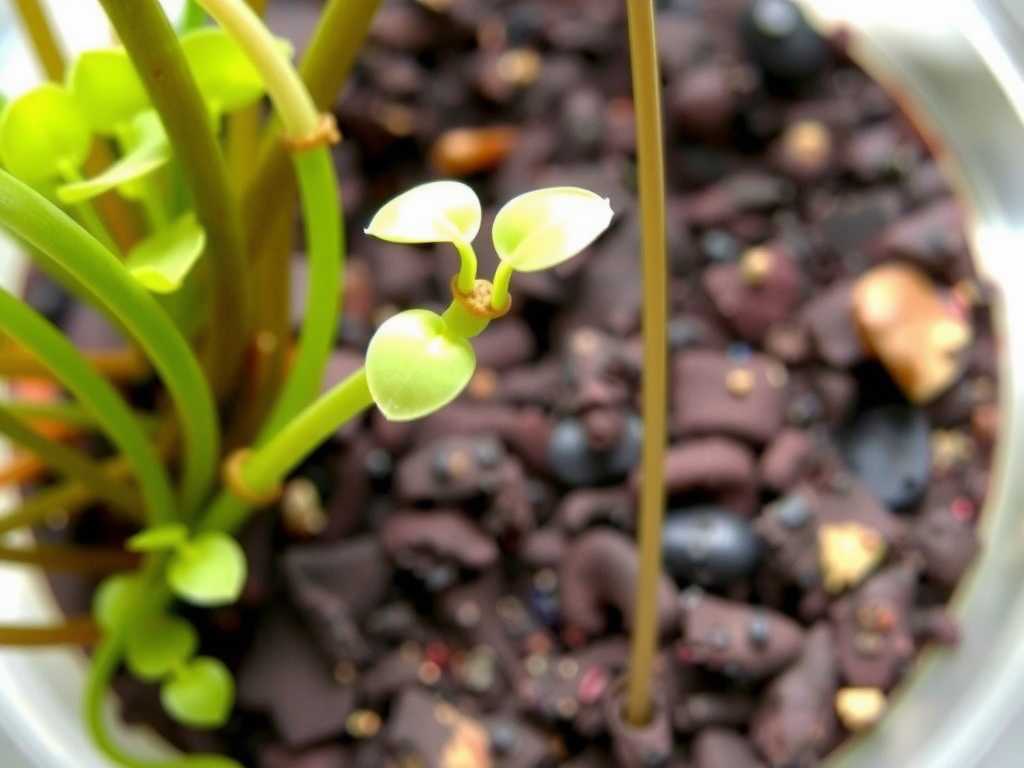
Before we assemble a single material, it’s crucial to understand what makes these plants so special. Unlike their aquatic cousins, epiphytic bladderworts (primarily from the genus Utricularia, such as U. alpina, U. quelchii, or U. humboldtii) grow on trees and mossy rocks in humid, high-altitude tropical forests. They are not soil-dwellers. Their root systems are minimal, serving mainly as anchors. The real magic lies in their stolons—thin, creeping stems that weave through the growing medium. Along these stolons, they produce both their iconic bladder traps and their flower stalks.
These traps, or “bladders,” are microscopic engineering marvels. They create a vacuum to suck in unsuspecting prey like protozoa and rotifers, providing the plant with essential nutrients scarce in their airy habitats. Successfully cultivating them means faithfully recreating the high humidity, bright indirect light, and airy, nutrient-poor substrate they have evolved to master.
Essential Materials for Your Bladderwort Terrarium
Choosing the right container and components sets the foundation for success. A sealed or semi-sealed glass vessel is ideal for maintaining constant high humidity. A front-opening terrarium or a large glass jar with a lid works perfectly.
The substrate is where most beginners err. Standard potting soil is a death sentence—it’s too dense and rich. Your epiphytic bladderwort requires an acidic, airy, and moisture-retentive yet well-draining medium. A proven mix includes:
- Sphagnum Moss (Live or Long-Fibered): The cornerstone. It provides moisture control, acidity, and a perfect structure for stolons to run.
- Orchid Bark (Fine Grade): Creates essential air pockets and mimics the plant’s natural arboreal footing.
- Horticultural Charcoal: Keeps the environment fresh by filtering impurities and preventing souring.
- Perlite or Pumice: Enhances drainage and aeration further.
A layer of aquarium gravel or LECA at the bottom ensures excess water has somewhere to go, preventing root zone saturation.
A Step-by-Step Planting and Care Guide
Assembling the Environment Start with a clean, dry container. Add a shallow drainage layer of gravel. Next, prepare your substrate: combine pre-soaked sphagnum moss, orchid bark, charcoal, and perlite in a ratio of roughly 3:2:1:1. Mix thoroughly and add it to the terrarium, forming a mound or slope for visual interest. The substrate should be deep enough to allow stolon growth but not so deep it stays soggy.
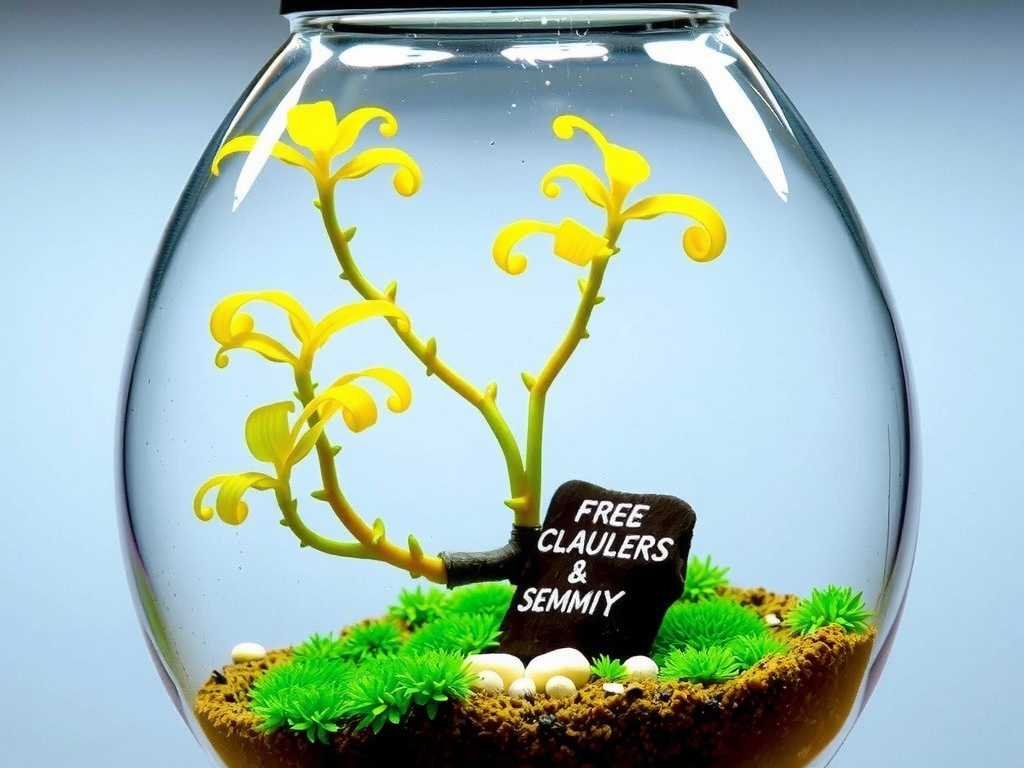
The Planting Process Gently tease your bladderwort plant apart, focusing on sections with healthy stolons. Using tweezers, make small indentations in the substrate and place the plant pieces on top, lightly pressing the stolons into contact with the moss. Do not bury them. Mist thoroughly with distilled or rainwater to settle everything in. Place the lid to seal in humidity.
Mastering the Perfect Conditions
- Light: Provide bright, indirect light for 10-12 hours daily. An east-facing window or a grow light placed 6-12 inches above the terrarium is perfect. Direct sun will cook your plant in the sealed environment.
- Water & Humidity: This is a delicate balance. Humidity should consistently stay above 80%. Condensation on the glass is normal and desirable. Water only with distilled, reverse osmosis, or rainwater to prevent mineral burn. The substrate should feel like a damp sponge—never waterlogged, never bone dry. Mist lightly if the surface appears dry.
- Feeding (The Carnivorous Element): Do not fertilize in the traditional sense. Your bladderwort will catch its own food from the microfauna that naturally develops in the bioactive terrarium environment. If you want to encourage trap formation, introducing a small pinch of dried bloodworms or a single drop of fish food into the water during misting can provide nutrients. Experts like Dr. Barry Rice, author of Growing Carnivorous Plants, note that while feeding isn’t always mandatory for survival, it significantly boosts growth and flowering in captive environments.
- Maintenance: Prune any dead foliage or spent flower stalks with fine scissors. Keep the glass clean for light penetration. If algae growth becomes excessive on the substrate, temporarily reduce light duration and scrape it off gently.
Troubleshooting Common Growth Problems
- Yellowing or Melting Leaves: Often a sign of water quality issues (using tap water) or substrate decay. Ensure you’re using pure water and that your mix has enough charcoal and drainage.
- Lack of Trap or Flower Formation: Usually due to insufficient light. Increase light duration or intensity gradually. It can also indicate a nutrient deficiency—consider the gentle feeding method described above.
- Mold or Fungus Outbreaks: Caused by stagnant air and excessive moisture. While humidity should be high, air circulation is still important. Briefly open the lid for 15-30 minutes every few days to allow fresh air exchange. Remove any visible mold promptly.
- Plant Appears Stagnant: Epiphytic bladderworts can have slower growth phases. Ensure temperatures are between 65-80°F (18-27°C). Patience is key, as stolon growth often happens out of sight within the moss layer.
Can I grow different species of epiphytic bladderwort together in one terrarium? Yes, many species with similar light and moisture requirements can be co-planted successfully. This can create a stunning display with varying flower colors and forms. Ensure the terrarium is spacious enough to accommodate their spreading stolons without overcrowding.
How often should I completely water the substrate versus just misting? A deep watering is only needed when the substrate’s core feels lightly damp. This might be every 2-4 weeks, depending on your terrarium’s seal and environment. Misting the surface every few days is usually sufficient to maintain humidity. Always rely on touch, not a schedule.
My bladderwort is growing well but hasn’t flowered. What can I do? Flowering is a sign of ultimate contentment. Review your light levels first—this is the most common trigger. A slight temperature drop at night can also simulate natural conditions and encourage blooming. Ensuring the plant has access to microscopic prey through a healthy bioactive environment or supplemental feeding provides the energy needed for producing those beautiful blooms.
Cultivating an epiphytic bladderwort is a rewarding journey into the details of a specialized niche. It teaches observation, patience, and a respect for nature’s intricacies. By providing that perfect trifecta of airy substrate, pristine water, and bright filtered light, you’re not just building a terrarium—you’re curating a living ecosystem. One day, you’ll notice a tiny, intricate flower spike emerging, a sure sign that your miniature world is in perfect harmony. That moment of success makes every careful step worthwhile.
发表评论