 admin
admin How to Care for Epiphytic Bladderwort After Overwintering: A Grower's Spring Revival Guide
You’ve made it. Your unique epiphytic bladderwort has survived the cooler, dimmer winter months tucked away in its terrarium or greenhouse corner. But now, as the light strengthens, you might be looking at it with a mix of relief and new anxiety. The plant seems… quiet. A bit pale, perhaps. The vibrant growth and those fascinating, tiny bladder traps are nowhere to be seen. I’ve been there, holding my breath, wondering if my care after its dormant period was correct or if I was about to lose a prized specimen. The transition from winter rest to active spring growth is the most critical window for these carnivorous epiphytes. Get it wrong, and you risk stunting the plant or triggering rot; get it right, and you’ll be rewarded with an explosion of delicate foliage and curious blooms.
In this guide, I’ll walk you through my exact, step-by-step process for post-overwintering bladderwort care, developed through years of trial, error, and careful observation. I’ll share the specific mistakes I’ve made—like rushing the light increase or misjudging moisture—and the practical solutions that saved my plants. This isn’t just theory; it’s a lived-in, practical roadmap from one enthusiast to another.
Understanding the "Why": The Post-Dormancy Shift
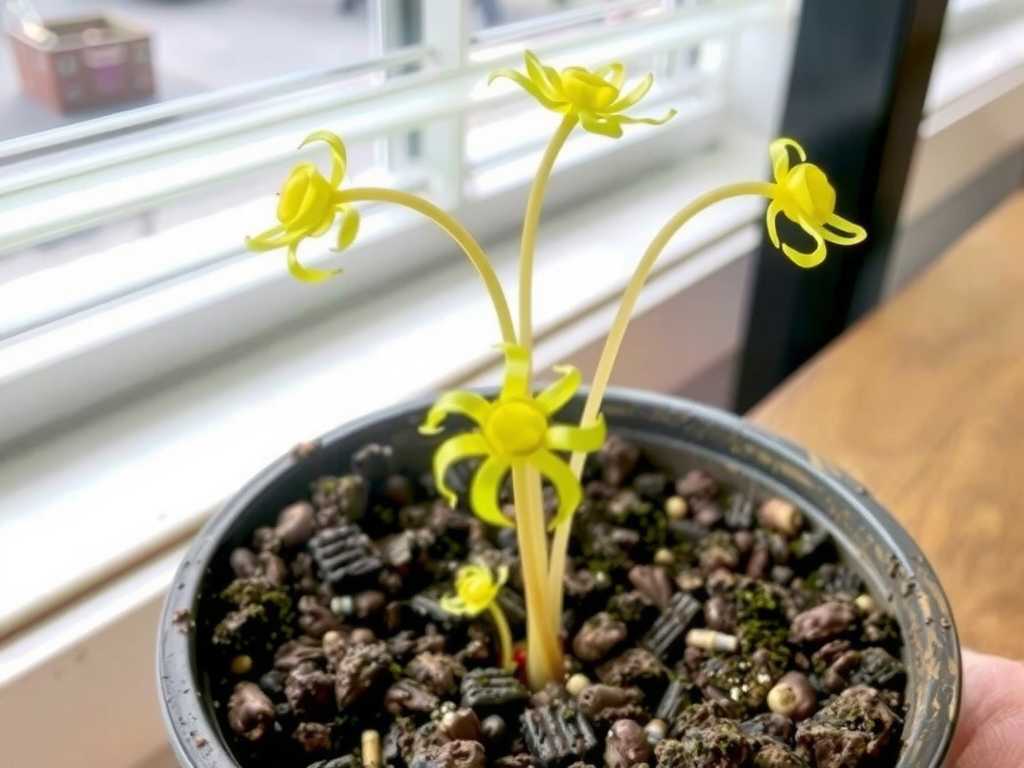
Before we touch anything, it’s crucial to understand what your bladderwort has been through. During winter, most epiphytic bladderworts (like the popular Utricularia alpina, U. quelchii, or U. campbelliana) slow their growth significantly. This isn’t always a full dormancy like a tuber, but a pronounced rest. Metabolism drops, and the plant conserves energy. The return of longer, brighter days signals it to wake up. Our job is to gently support that awakening, not shock it. As noted in the Carnivorous Plant Newsletter by the International Carnivorous Plant Society, a sudden, drastic change in environment is a primary cause of stress and failure in delicate carnivorous species emerging from rest.
My Two-Week Spring Revival Protocol
Here is the exact sequence I follow, timed over a critical 14-day period. I treat this as a non-negotiable ritual for all my overwintered epiphytic bladderworts.
Week 1: The Gentle Reintroduction
Day 1-3: The Assessment and Humidity Check My first step is always inspection, not action. I carefully examine the sphagnum moss or the tree fern mount the plant is growing on. Is it still appropriately moist but not soggy? Winter often means slower evaporation. I look for any signs of algae or fungal spots—common issues in stagnant winter air. I gently remove any dead or clearly decaying foliage with sterilized tweezers. Crucially, I do not repot or disturb the roots/stolons at this stage. The plant is vulnerable.
The main adjustment I make now is to slightly increase ambient humidity if it dropped during winter. I might place the terrarium lid back on partially or run the humidifier for an extra hour. My goal is a steady 70-75% RH, as recommended by many growers in the Association of Horticultural and Science Authorities (AHSA) forums for tropical epiphytes. I resume using only distilled or rainwater.
Day 4-7: Incremental Light Increase This is where I made my biggest early mistake. One sunny spring day, I moved a recovering U. alpina directly to its summer bright spot. Within days, the tender new growth bleached. Lesson learned: patience with light is paramount.
Now, I increase light intensity gradually. If the plant was under low-intensity grow lights for winter, I increase the photoperiod by one hour and raise the light fixture a few inches, reducing intensity. If using natural light, I move it closer to the window by just a few inches every other day. The focus is on acclimating epiphytic Utricularia to stronger light without causing photo-oxidative stress. Over this first week, I aim for a 20-30% increase in light exposure from its winter baseline.
Week 2: Stimulating Growth and Observation
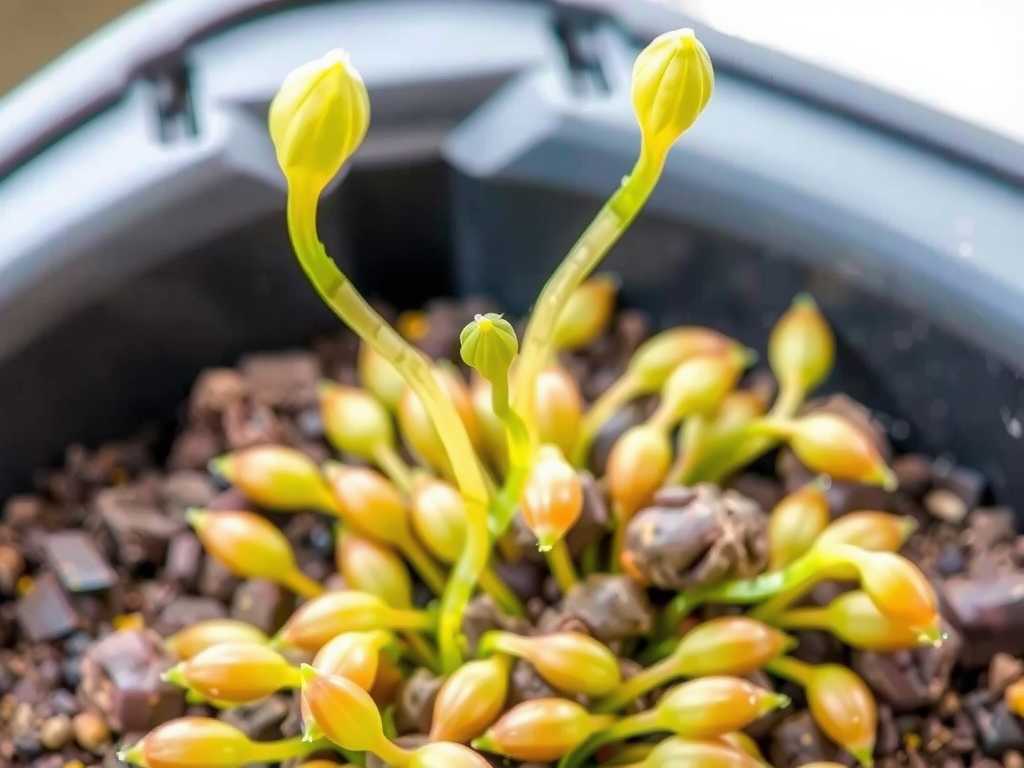
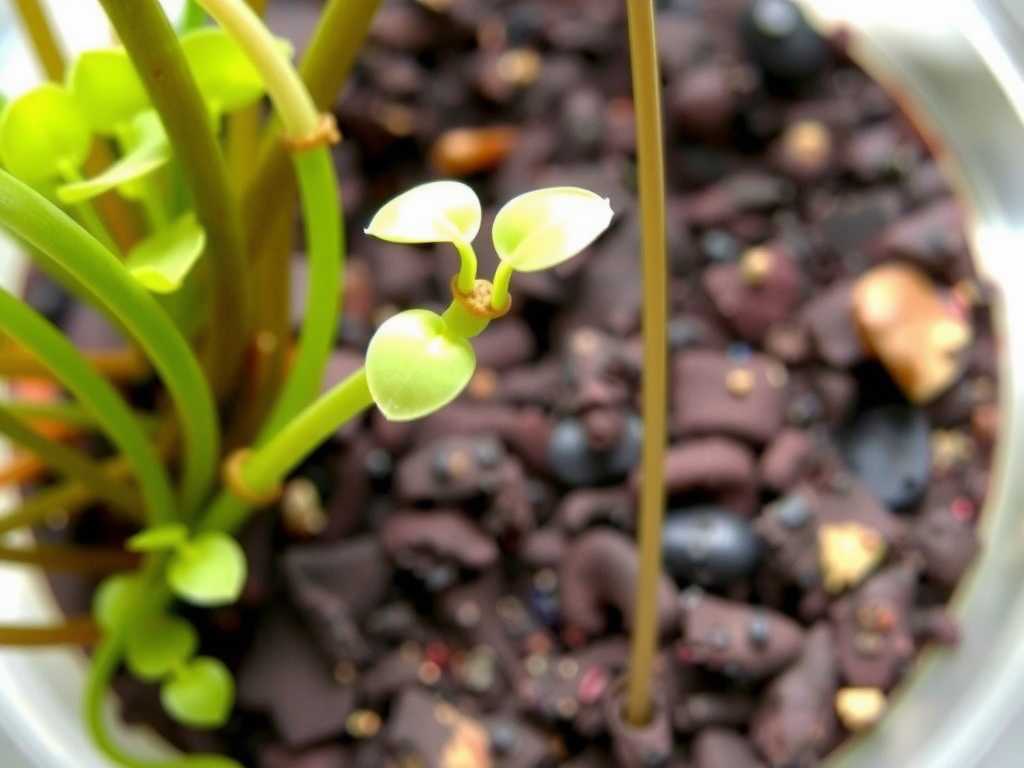
Day 8-10: Introducing the First "Feeding" and Checking for Growth By the start of the second week, I should see the very first signs of activity: a tiny, bright green stolon tip or a minuscule new leaf. This is the green light. The plant’s metabolism is kicking in, and its tiny bladder traps are becoming functional again.
To support this, I provide a gentle "food" source. I don’t feed them manually. Instead, I introduce a small culture of springtails or fruit flies into the terrarium. This allows for natural, micro-scale feeding that won’t overwhelm the plant. This method of caring for bladderworts after winter aligns with the Royal Horticultural Society (RHS) advice for carnivorous plants, which emphasizes allowing them to catch prey naturally to avoid contaminating the sensitive traps.
Day 11-14: Establishing the Summer Routine Active growth is now usually visible. I complete the light adjustment to reach the plant’s ideal summer exposure (bright, indirect light for most). I ensure airflow is good to prevent rot—a small, gentle fan on a timer works wonders. Watering becomes more regular as the plant starts using more moisture, but I still let the surface of the medium approach dryness before watering thoroughly with distilled water. The key shift is from a "maintenance" mindset to a "growth support" mindset.
Common Pitfalls and My Hard-Earned Solutions
-
Pitfall 1: The Soggy Medium Rot. Winter’s low evaporation can leave the medium too wet. I once lost a U. campbelliana to crown rot because I didn’t adjust watering post-winter.
- Solution: Before increasing light or heat, I gently aerate the top layer of sphagnum with a chopstick. If it’s genuinely waterlogged, I may carefully tip the pot to drain excess water or use a paper towel to wick moisture from the surface.
-
Pitfall 2: Impatience with Fertilization. Eager to boost growth, I once applied an extremely diluted orchid fertilizer. It was still too strong and burned the fine root hairs.
- Solution: I now avoid any fertilizer until the plant is in full, vigorous growth (usually a month after this revival period). And even then, I use a urea-free, diluted to 1/8th strength formula, applied sparingly to the medium, never the foliage. The best "fertilizer" remains a healthy microfauna population in the enclosure.
-
Pitfall 3: Ignoring Airflow. High humidity + stagnant air = fungus. I’ve seen fuzzy mold on new growth.
- Solution: A small USB fan running for 15 minutes every few hours is my standard setup now. It strengthens the plant and prevents pathogenic spores from settling.
Observing the Results: What Success Looks Like
After consistently following this two-week protocol, the transformation is clear. By the end of the period, my bladderworts consistently show:
- Vibrant New Growth: Pale green or even reddish (depending on species) new stolons and leaves actively extending.
- Trap Formation: Under a magnifying glass, I can see the tiny, new bladder traps forming along the stolons or on specialized leaves—a sure sign of a happy, feeding plant.
- Increased Firmness: The existing foliage perks up, losing any winter limpness. This successful spring care for epiphytic carnivorous plants sets the stage for potential flowering later in the season, the ultimate reward.
Addressing Your Concerns
How long does it take for an epiphytic bladderwort to fully wake up from winter? While you’ll see initial signs within 2 weeks, full, vigorous growth may take 4-6 weeks. Don’t panic if progress seems slow after the initial revival period. Consistency in the summer routine is key.
My plant hasn’t shown any new growth after two weeks. What should I do? First, re-check the basics: is it getting enough gradual light? Is the temperature consistently above 60°F (15°C)? Gently probe the base of the plant with a toothpick—if it’s mushy, rot may have set in during winter. If it’s firm, be patient. Some species or individual plants simply take longer. Go back to steady Week 1 conditions and wait.
Can I propagate my bladderwort during this post-overwintering period? I strongly advise against it. The plant is using its energy reserves to restart its own growth. Propagating by division or stolon cuttings adds significant stress. Wait until the plant is in peak mid-season growth, usually late spring or summer, for the highest success rate.
Reviving your epiphytic bladderwort after its winter rest is a practice in mindful observation and gentle adjustment. It requires resisting the urge to do too much, too soon. By prioritizing gradual light acclimation, maintaining pristine moisture with pure water, and supporting natural feeding processes, you create the stable, stress-free environment these botanical wonders need to thrive. The sight of those first new leaves and the knowledge that the microscopic traps are once again active is a deeply satisfying reward for any grower. It marks the successful start of a new growing season, a testament to your patience and understanding of this unique carnivorous plant’s needs.

发表评论