 admin
admin How to Care for Terrestrial Bladderwort With Perfect Soil Mix: The Ultimate Guide
Growing carnivorous plants is a rewarding hobby, but nothing is more frustrating than watching a terrestrial bladderwort wither away despite your best efforts. The secret to success isn't just water or light; it lies entirely in the ground beneath the plant. If you have struggled to keep Utricularia species alive in pots, learning how to care for terrestrial bladderwort with perfect soil mix is the game-changer you need. Unlike standard houseplants, these carnivores demand a nutrient-free, acidic environment that mimics their natural bog habitats. Getting the substrate wrong is the number one reason for failure, but with the right recipe, your plant will produce stunning flowers and healthy traps.
Understanding the Natural Habitat
To master terrestrial bladderwort cultivation, you must first understand where these plants come from. Most terrestrial species, such as Utricularia sandersonii or Utricularia gibba, grow in wet, sandy savannas or the edges of ponds in tropical and subtropical regions.
In nature, they grow in soil that is constantly moist but extremely low in minerals. Standard potting soil is rich in nitrogen and fertilizers, which will burn the delicate roots and kill the plant instantly. The goal is to replicate that poor, acidic bog environment in your home. This specific requirement makes the carnivorous plant soil recipe distinct from any other gardening project.
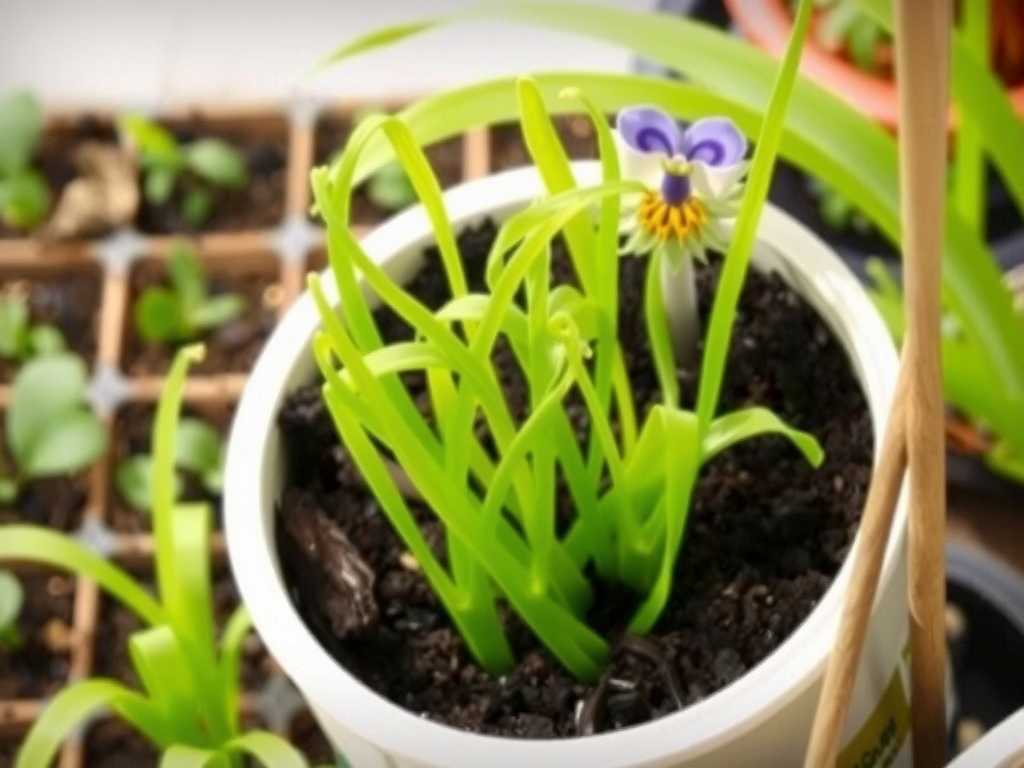
The Anatomy of the Perfect Soil Mix
Creating the ideal substrate is not about guessing; it is about precise ratios. Experts and horticultural societies recommend a mix that is airy, water-retentive yet draining, and completely devoid of nutrients.
Core Ingredients
The gold standard for growing Utricularia terrestris involves two primary components:
Sphagnum Peat Moss: This is the base of the mix. It provides acidity and holds moisture. Ensure you use long-fiber peat moss, not the fine dust variety.
Perlite or Silica Sand: These create air pockets and drainage. Perlite is lighter, while coarse sand mimics natural riverbanks better.
The "50/50" Rule
For most hobbyists, a simple 1:1 ratio works best. Mix 50% peat moss with 50% perlite. If you are growing a species that prefers wetter conditions, like Utricularia reniformis, you might increase the peat moss to 60%. Avoid vermiculite, as it breaks down too quickly and compacts the soil.
pH Balance is Critical
Terrestrial bladderworts require a pH between 4.5 and 5.5. Most peat moss naturally falls within this range, but you should test your mix with a digital pH meter or strips. If the pH is too high (alkaline), the plant cannot absorb iron, leading to chlorosis (yellowing leaves).
Step-by-Step Potting Instructions
Once you have your carnivorous plant soil mix ready, the potting process requires gentle handling. The roots of bladderworts are thread-like and fragile, easily damaged by rough handling.
Choosing the Right Pot
Plastic pots are generally better than terracotta for this specific application. Terracotta wicks moisture away too fast, which can dry out the soil in hours. A standard 4-inch plastic pot with drainage holes is sufficient for most starter plants.
The Planting Process
Moisten the Mix: Before planting, soak your soil mix in distilled water. Squeeze it gently; it should be damp like a wrung-out sponge, not dripping wet.
Place the Plant: Gently remove the plant from its old container. Do not pull on the stems.
Positioning: Place the rhizomes or stolons just below the surface of the soil. If the plant has leaves, ensure the crown is above the dirt to prevent rot.
Top Dressing: Add a thin layer of pure long-fiber sphagnum moss on top of the soil. This helps retain humidity at the base and prevents the soil from splashing onto the leaves when watered.
Watering: The Tray Method Explained
Knowing how to care for terrestrial bladderwort involves mastering the art of watering. These plants hate sitting in stagnant water, but they despise drying out even more. The "Tray Method" is the industry standard for bog garden plant care.
How It Works
Place the potted plant inside a larger tray or saucer. Fill the tray with about 1 inch of distilled water or rainwater. The soil will wick the moisture up from the bottom, keeping the roots constantly damp without waterlogging them.
Water Quality Warning
Never use tap water. The minerals and chlorine in tap water will alter the soil pH and kill the plant within weeks. Always use distilled, reverse osmosis, or rainwater. This is a non-negotiable step in Utricularia terrestris care.
Light and Environmental Factors
Soil alone cannot sustain the plant; light is the energy source. Terrestrial bladderworts need bright, indirect light to produce flowers.
Ideal Light Conditions
A south-facing windowsill is often perfect, provided the plant gets some protection from the harsh midday sun. If the leaves turn red or brown, the light is likely too intense. If the plant produces no flowers and looks leggy, it needs more light.
Humidity and Airflow
While they love wet feet, they need good airflow above the soil to prevent fungal gnats and mold. Stagnant air is a death sentence for carnivorous plant soil mixes, which are organic and prone to molding if the air is still. A small oscillating fan nearby can work wonders.
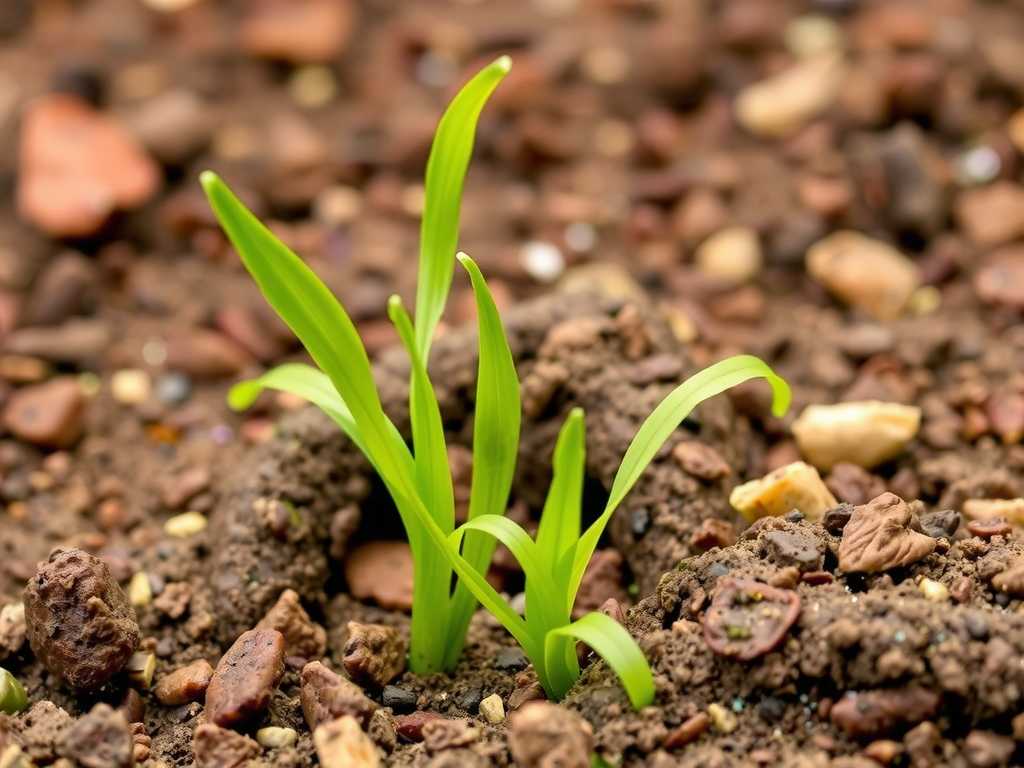
Dormancy and Seasonal Care
Not all bladderworts are the same. Tropical species like U. sandersonii grow year-round, while temperate species like U. vulgaris require a winter rest.
Handling Dormancy
If you are growing a temperate terrestrial bladderwort, you must adjust the carnivorous plant soil recipe care in late autumn. As the plant dies back, stop watering the tray method and keep the soil barely moist—just enough to prevent the rhizomes from turning to dust. Place the pot in a cool, bright location (like a garage or fridge, if potted) until spring.
Common Mistakes to Avoid
Even with the right mix, errors happen. Here are the most frequent issues beginners face when learning how to care for terrestrial bladderwort.
Using Fertilizer
Never fertilize bladderworts. They get their nutrients from trapping insects. Adding fertilizer causes algae growth and burns the roots. If your plant looks hungry, it needs better lighting or small insects, not plant food.
Deep Burial
Burying the crown or the leaves too deep causes rot. The traps need to be near the surface to catch prey. Keep the stolons (runners) on top of the soil or barely covered.
Wrong Soil Texture
Using heavy garden soil or potting mix with "time-release" beads is fatal. The bog garden plant care routine relies on the soil being inert. If the soil feels heavy or smells like earth, it is wrong. It should feel light and fibrous.
Propagation Through Division
One of the joys of Utricularia terrestris care is how fast they spread. Once your plant is happy, it will send out runners (stolons) across the soil surface.
To propagate, simply peg these runners down with a small hairpin or paperclip into a section of the pot with fresh carnivorous plant soil mix. They will root quickly. Once a section has several growth points, you can cut the runner and pot it separately. This is the best way to expand your collection without buying new plants.
Troubleshooting Guide
The Plant is Melting
If the plant turns into a black mush, it is likely rot caused by Pythium or Rhizoctonia. This usually happens when the soil is too wet and temperatures are high. Remove the affected parts and drench the remaining soil with a fungicide suitable for carnivores.
No Traps Forming
If you see leaves but no bladders, the plant is likely getting too many nutrients from the soil (if you accidentally used the wrong mix) or it isn't getting enough light to fuel the energy-intensive trap mechanism.
Pests
Fungus gnats are common but usually harmless to the plant itself. However, their larvae can damage roots. Use yellow sticky traps to catch adults. Avoid systemic insecticides, as they can harm the plant.
Frequently Asked Questions
1. Can I use regular potting soil if I wash it first?
No, washing potting soil does not remove the chemical fertilizers or adjust the pH. It is not worth the risk; always buy fresh peat moss and perlite for your terrestrial bladderwort cultivation.
2. How often should I repot my bladderwort?
Terrestrial bladderworts grow rapidly. You will likely need to repot them every 12 to 18 months to prevent the soil from breaking down and becoming too compact. Spring is the best time for repotting.
3. Do I need to feed my bladderwort insects?
Outdoors, they catch their own prey. Indoors, if you don't see bugs, you can feed them one or two dried bloodworms or tiny pieces of shrimp per month. Overfeeding can rot the traps, so less is more.
Successfully managing how to care for terrestrial bladderwort with perfect soil mix transforms a difficult challenge into a fascinating display of botanical predation. By sticking to the 1:1 peat and perlite rule, using only pure water, and providing bright light, you create a micro-ecosystem where the plant thrives. Remember, the goal is to neglect the nutrients and pamper the moisture levels. With this carnivorous plant soil recipe, your bladderwort will not only survive but produce an explosion of delicate, orchid-like flowers that defy its predatory nature. Whether you are a seasoned botanist or a curious beginner, mastering this specific soil environment is the key to unlocking the full potential of Utricularia.

发表评论