 admin
admin How to Boost Trap Count for Epiphytic Bladderwort: A Comprehensive Cultivation Guide
You've successfully cultivated your epiphytic bladderwort (Utricularia), admiring its delicate, orchid-like flowers and intricate foliage. But there's a lingering question: where are all the traps? For a plant famed as a carnivorous marvel, a sparse trap count can be deeply frustrating. You know those microscopic, vacuum-powered bladders are the key to its vigor and unique feeding strategy, yet encouraging their prolific development seems like a mystery. This guide is designed to demystify that process. We will move beyond basic survival and delve into the precise environmental and care techniques that signal to your bladderwort to invest energy in building its remarkable trapping apparatus, transforming it from a shy resident into a thriving, active predator.
Understanding the Epiphytic Bladderwort's Unique Needs
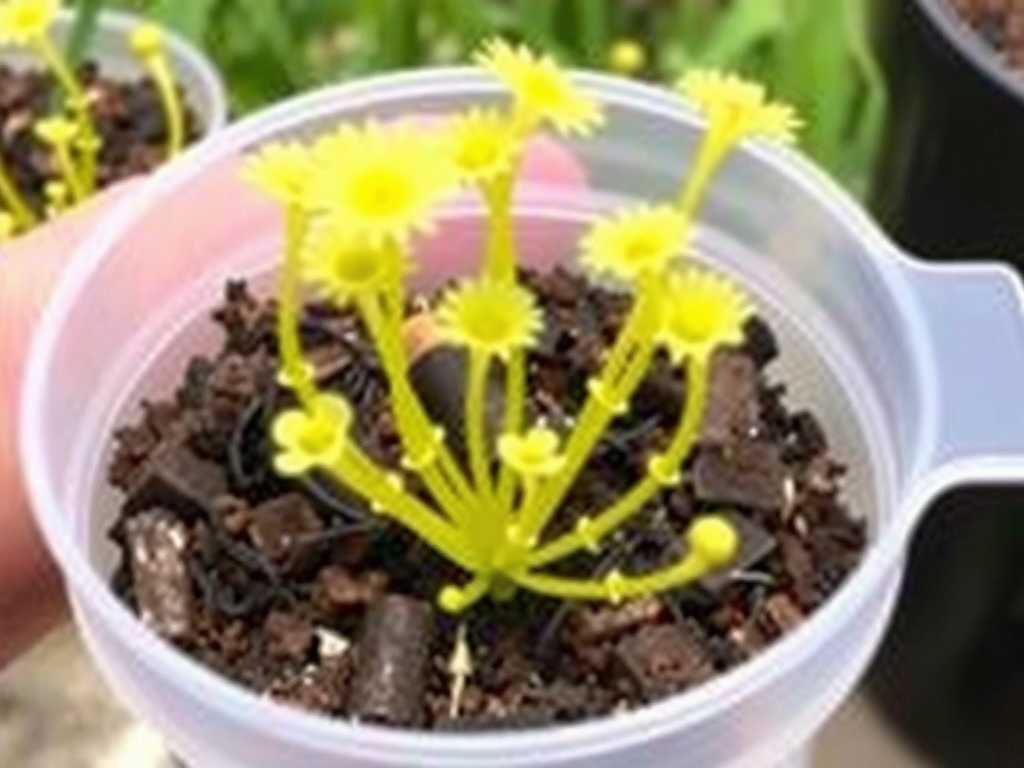
Before we can boost trap production, we must understand what drives it. Unlike terrestrial or aquatic bladderworts, epiphytic species grow on other plants (like trees or bark) in their natural habitats, often in moist, humid environments with bright, dappled light. They do not root in soil but in a loose, airy medium. Their traps are not for large prey but for capturing microscopic organisms like protozoa, rotifers, and tiny crustaceans from the thin film of water around their roots. Trap formation is an energy-intensive process. The plant will only commit to building these complex structures when its core needs are met and it perceives a sufficient opportunity for a nutrient return on its investment.
Optimizing the Growing Medium for Maximum Trap Development
The substrate is not just an anchor; it's the hunting ground. Getting this wrong is the most common reason for poor trap formation.
Mimicking the Natural Epiphytic Environment Forget standard potting soil. It will suffocate the stolons and rot the plant. Your goal is to create a moist, airy, and structurally complex matrix. The ideal epiphytic bladderwort potting mix is a blend of long-fiber sphagnum moss (not peat), orchid bark (fine grade), perlite, and a small amount of horticultural charcoal. Sphagnum moss retains moisture and acidity, while bark and perlite ensure crucial aeration. This environment allows stolons to roam freely and form traps at multiple nodes.
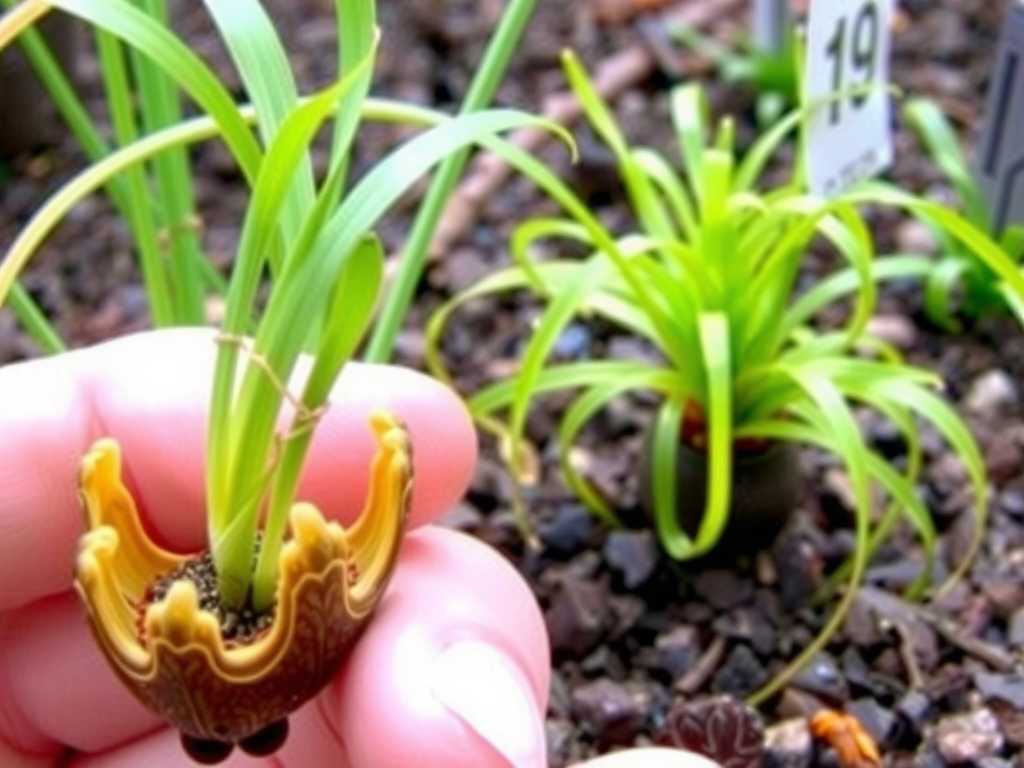
Moisture Balance: The Critical Trigger Consistent moisture is the non-negotiable signal for trap production. The medium should never dry out completely, but it must never be waterlogged. Think "perpetually damp." Many expert growers achieve this by using the tray method: placing the pot in a shallow saucer with 0.5 to 1 inch of distilled, reverse osmosis, or rainwater. The medium wicks up the moisture, maintaining perfect humidity around the stolons. This constant, available moisture film is where prey organisms live and where traps become functional. Fluctuating dryness halts trap construction immediately.
Mastering Light and Temperature to Fuel Growth
Light is the engine of growth. Without adequate light, the plant lacks the photosynthetic energy to manufacture the multitude of tiny traps.
Providing Ideal Light Intensity and Duration Epiphytic bladderworts thrive under bright, indirect light. Direct, harsh afternoon sun can scorch leaves and increase evaporation stress. East or west-facing windows are often ideal. For indoor cultivation, LED or fluorescent grow lights are highly effective. Provide 12-14 hours of light daily. Under sufficient light, you'll notice stolons growing more vigorously and a darker, healthier green coloration—clear signs the plant has the energy reserves to invest in trap building.
Maintaining a Stable, Warm Temperature Range Most popular epiphytic Utricularia (like U. alpina, U. humboldtii, or U. reniformis) prefer warm, stable temperatures. A daytime range of 70-85°F (21-29°C) and a slight drop at night is perfect. Avoid cold drafts or sudden temperature swings, which cause physiological stress and redirect energy away from specialized growth like trap formation. As noted in the Carnivorous Plant Newsletter, consistent warmth correlates strongly with active stolon growth and vegetative reproduction in these species.
Advanced Nutrition and Feeding Strategies
While bladderwots get nutrients from prey, the old adage "you need money to make money" applies. The plant needs a baseline of health to produce traps to catch prey.
The Role of Foliar Feeding and Dilute Fertilizers Since these plants absorb nutrients through all surfaces, a gentle, diluted fertilizer can provide the initial boost. A common expert technique is to use a 1/4 strength orchid fertilizer or Maxsea 16-16-16, misted lightly onto the leaves and medium once every 3-4 weeks during active growth. This provides essential minerals, mimicking nutrient-rich rainwater in the canopy. This low-level nutrient availability reduces the plant's risk in building traps, as it's not starting from absolute zero.
Encouraging a Natural Prey Population Traps are built where there is a promise of food. You can cultivate a natural microfauna in your pot. A single drop of water from a healthy pond or aquarium (free of fish or pesticides) can introduce infusoria and other microorganisms. Alternatively, a tiny pinch of powdered Spirulina algae or fish food sprinkled into the water tray can decompose and feed the micro-ecosystem. The presence of this moving prey in the water film is a direct biological trigger for the plant to activate and maintain more traps along its stolons.
Perfecting Water Quality and Humidity
The wrong water can silently inhibit growth and trap formation through mineral buildup.
Using Pure Water Sources Epiphytic bladderworts are extremely sensitive to dissolved minerals and chemicals. Tap water, with its salts and chlorine, will gradually poison the plant and clog its sensitive structures. Always use pure water: distilled, reverse osmosis (RO), or collected rainwater. This ensures the traps can fire effectively and the stolon tips remain healthy, constantly exploring and forming new traps.
Achieving Optimal Ambient Humidity While the medium moisture is most critical, a higher ambient humidity (60-80%) reduces water stress on the plant, allowing it to focus energy on growth rather than water retention. This is easily achieved by placing the pot in a terrarium, a glass cloche, or simply grouping it with other plants. A humidity tray (a tray filled with pebbles and water) placed underneath also helps. In the right humidity, leaf and stolon growth is lusher, providing more real estate for trap formation.
Routine Care and Troubleshooting for Trap Proliferation
The Importance of Repotting and Division Epiphytic bladderworts can become pot-bound, with stolons forming a dense mat. While they enjoy being snug, an overly crowded pot exhausts the medium and limits new growth. Repot every 1-2 years into fresh medium. During repotting, you can gently divide dense mats. This division is not just propagation; it stimulates a burst of new stolon growth from the cut ends, and new stolons mean new trap sites.
Identifying and Correcting Common Issues
- No Traps, Lanky Growth: This screams insufficient light. Increase light intensity or duration.
- Stunted Growth, No New Traps: Likely a water quality issue or mineral buildup. Flush the pot thoroughly with pure water and switch sources.
- Mold or Algae on Medium: Often due to poor air circulation or organic contamination. Increase airflow, ensure you are using clean ingredients, and scrape off the top layer if needed.
Frequently Asked Questions
Can I manually feed my bladderwort to increase traps? Direct feeding of individual traps is impractical due to their microscopic size. The best strategy is to cultivate the microfauna in the potting medium as described. A healthy micro-ecosystem provides continuous, natural stimulation for trap production and function.
How long does it take to see an increase in trap count after optimizing conditions? Once the correct conditions—especially consistent moisture and good light—are established, you can expect to see new stolon growth within a few weeks. New traps, which appear as tiny, translucent bladders along the stolons and leaves, will follow. A significant visual increase in trap density typically becomes apparent over the next 1-2 growing seasons.
Is it possible for a bladderwort to have too many traps? From the plant's perspective, no. A high trap count is a sign of excellent health and a successful foraging strategy. The only "issue" might be that a plant with extremely dense stolons and traps may require more frequent watering or eventual division to maintain optimal conditions for all its parts.
Boosting the trap count for your epiphytic bladderwort is a rewarding exercise in precision cultivation. It shifts the focus from merely keeping the plant alive to understanding and replicating the subtle cues of its native habitat. By meticulously managing the moisture, medium, light, and micro-nutrition, you create an environment where building an army of sophisticated, microscopic traps is not just possible, but the plant's most logical and vigorous course of action. The result is a truly thriving carnivorous specimen, showcasing the full wonder of its unique evolutionary adaptation.

发表评论