 admin
admin How to Fix Epiphytic Bladderwort Summer Stress Problems: A Grower's Survival Guide
If you've ever watched your meticulously cared-for epiphytic bladderwort (Utricularia) start to falter as the summer heat intensifies—its once-vibrant leaves turning pale, its growth stalling, or those fascinating bladders failing to form—you know the specific panic that sets in. You're not just caring for a plant; you're stewarding a delicate, carnivorous wonder. I've been there, standing over a terrarium or a mounted specimen, feeling the frustration of seeing stress signs creep in despite my best efforts. Summer, with its high temperatures, fluctuating humidity, and intense light, poses the biggest annual challenge for these humidity-loving, cool-growing epiphytes. After a particularly close call a few seasons ago that nearly wiped out a prized collection, I dedicated myself to cracking the code on epiphytic bladderwort summer stress problems. What followed was a two-week intensive care regimen that not only rescued my plants but led to a thriving, blooming display. Here is my complete, step-by-step account, including the mistakes I made and the solutions that truly work.
Understanding the Enemy: Why Summer Stresses Epiphytic Bladderworts
Before we dive into the fixes, it's crucial to understand what we're up against. Epiphytic bladderworts, primarily from sections like Orchidioides or Iperua, are adapted to high-altitude, cloud-forest-like conditions. They thrive in consistently cool to intermediate temperatures, very high atmospheric humidity, and bright but filtered light. Summer directly assaults all these parameters.
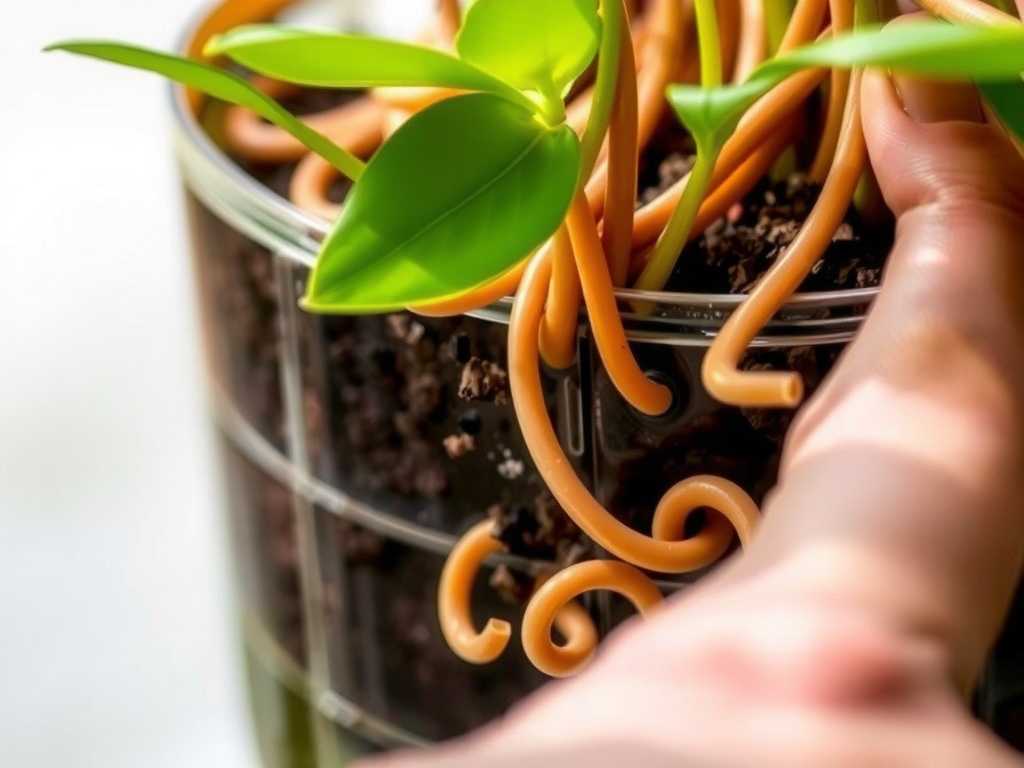
The core issue isn't just one factor but a deadly combination: High temperatures accelerate evaporation from their tiny, often moss-bound root systems and delicate stolons. Low humidity, common in air-conditioned or naturally dry summer air, further desiccates them. Meanwhile, intense summer sunlight can scorch leaves and heat up their growing media to dangerous levels, essentially cooking the roots. As noted in a culture guide from the International Carnivorous Plant Society (ICPS), which aligns with RHS (Royal Horticultural Society) advice for sensitive epiphytes, maintaining a cool root zone is often more critical than ambient air temperature. This combination forces the plant into survival mode, halting growth and bladder production—their defining feature for nutrient capture.
My Two-Week Rescue Protocol: A Daily Log
When I noticed the first signs of stress—a slight paling of foliage and a complete halt in new stolon growth—I implemented this immediate protocol. I tracked changes daily.
Phase 1: Week One – Crisis Management (Days 1-7)
The goal here was to stop the damage and stabilize the plant's environment.
- Day 1-2: The Immediate Relocation and Assessment. I moved all my affected epiphytic bladderworts (mounted on cork and in net pots) away from any direct window light. They went into a large, empty aquarium (a terrarium tank) on a north-facing table. I did not repot or disturb them. My first mistake here was initially placing them in a deep shade corner; I realized within hours this was too drastic a light reduction. Correcting course, I placed a single layer of a 30% shade cloth over the top of the tank, diffusing bright indirect light perfectly.
- Day 3-5: Humidity Dome Intervention. For the most stressed specimens, I created mini humidity domes using clear plastic cups or cloches. This is a classic RHS-recommended technique for reviving dehydrated specialist plants. I vented them for an hour each evening to prevent fungal issues. I also began bottom-watering the pots by placing them in a shallow tray of distilled water for 10 minutes, twice daily (morning and late afternoon). The mounts were misted heavily three times a day using a fine spray bottle with pure distilled or rainwater.
- Day 6-7: Temperature Control Activation. I invested in a small, quiet USB-powered fan outside the open-top tank to ensure gentle air circulation, preventing stagnation under the domes. The most critical purchase was a programmable mini humidifier. I set it to maintain 80% humidity inside the tank, turning on for 15 minutes every two hours during the day. At night, I let it drop to a natural 70%. A digital hygrometer confirmed these levels.
By the end of Week 1, the visible deterioration had stopped. The leaves were no longer getting worse, but there was no new growth yet. The media felt consistently moist but not soggy.
Phase 2: Week Two – Recovery and Regrowth (Days 8-14)
The goal shifted from stabilization to encouraging active recovery.
- Day 8-10: Introducing Controlled Nutrition. Epiphytic bladderworts in stress may have impaired bladder function. To support recovery, I applied a extremely dilute fertilizer, a technique supported by experts like Barry Rice in his Carnivorous Plant FAQ. I used a 1/8th strength orchid foliar spray (urea-free) and misted it very lightly on the foliage and the moss base of the mounts, once during this period. This was a risky step I had failed with before—using a stronger mix caused leaf burn. The ultra-dilute method, however, showed no negative effects.
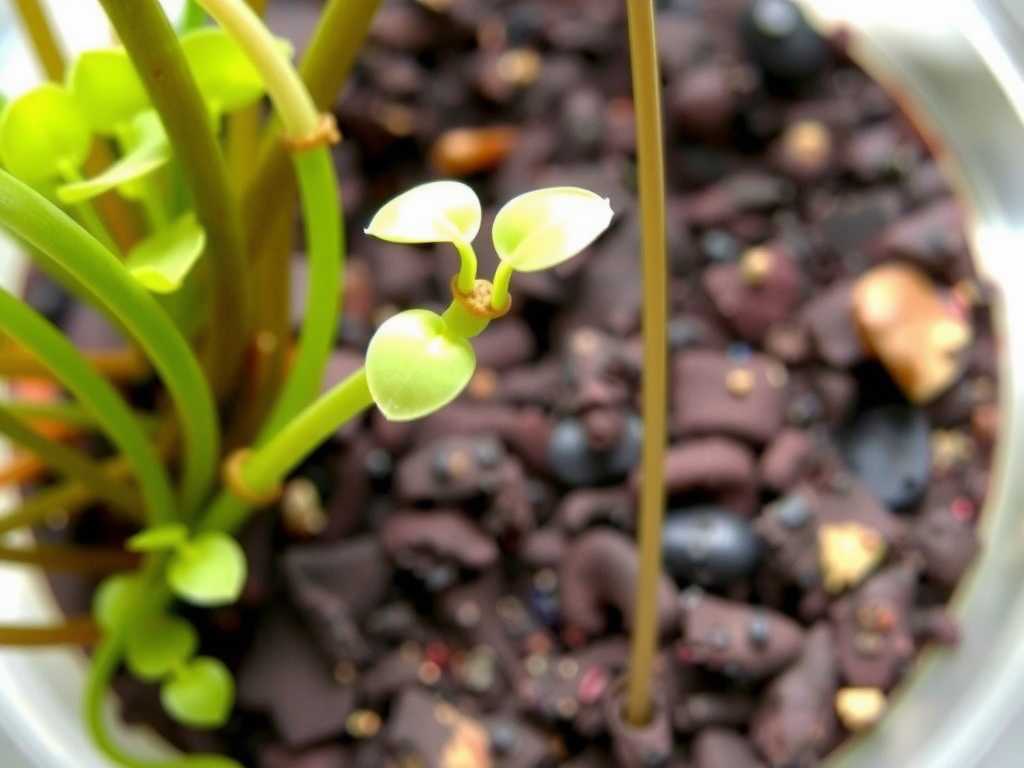
- Day 11-12: Observing the First Signs of Life. On the morning of Day 11, I spotted tiny, bright green tips emerging from the stolons of my Utricularia alpina. This was the breakthrough. The new growth was turgid and healthy-looking. The pale leaves on older growth remained, but they were no longer spreading.
- Day 13-14: System Optimization and Long-Term Planning. With new growth confirmed, I removed the individual humidity domes. The tank environment was now self-sustaining with the humidifier and fan. I reduced misting to twice a day and bottom-watering to once daily. I started planning their permanent summer home: a dedicated terrarium with automatic controls.
The Key Pillars of Solving Summer Stress Long-Term
My two-week experiment crystallized into four non-negotiable care pillars for preventing bladderwort heat stress every summer.
1. Master the Humidity-Temperature Balance. This is the most critical factor. High humidity allows the plant to tolerate slightly higher temperatures. My setup aims for 75-85% humidity with daytime temperatures ideally below 80°F (27°C). The mini humidifier with a hygrostat is indispensable. The fan is its essential partner, preventing mold and simulating gentle mountain air movement. Simply misting is not enough in low-humidity climates.
2. Rethink Light Exposure. Intense summer sun is a major bladderwort stressor. I use sheer curtains or dedicated shade cloth (30-50%) on south and west-facing windows. Inside terrariums, LED grow lights placed outside the enclosure provide consistent, cool light without raising internal temperatures. This provides the bright but indirect light they crave without the heat penalty of direct sun.
3. Optimize Watering and Media. Epiphytic bladderworts are not aquatic. They need constant moisture around their roots but detest waterlogged, anaerobic conditions. A well-draining yet moisture-retentive mix is key. My standard is long-fiber sphagnum moss with 10-20% perlite or orchid bark. During summer, I check moisture by touch every morning. The mantra is "consistently damp, never dry, never swampy." Always use low-mineral water (distilled, RO, or rainwater).
4. Feed Strategically to Support Stress Recovery. When bladders are inactive due to stress, the plant's nutrient intake plummets. The ultra-dilute foliar feeding method I used in Week 2 can be a gentle boost. I now do this only once a month during peak summer if the plant looks healthy but growth is slow. It’s not a routine fertilizer but a targeted support tool. Overfeeding is a sure way to cause root and stolon burn.
Common Questions from Fellow Growers
Can I just move my epiphytic bladderwort to a windowsill with a pebble tray? For many tropical plants, a pebble tray helps. For sensitive epiphytic bladderworts in summer, it's often insufficient. The humidity boost from a tray is very localized and minimal, rarely raising levels above 60% in dry air. In my experience, during a heatwave, it did nothing to prevent stress. Active humidification or a contained environment (terrarium, cloche) is far more reliable.
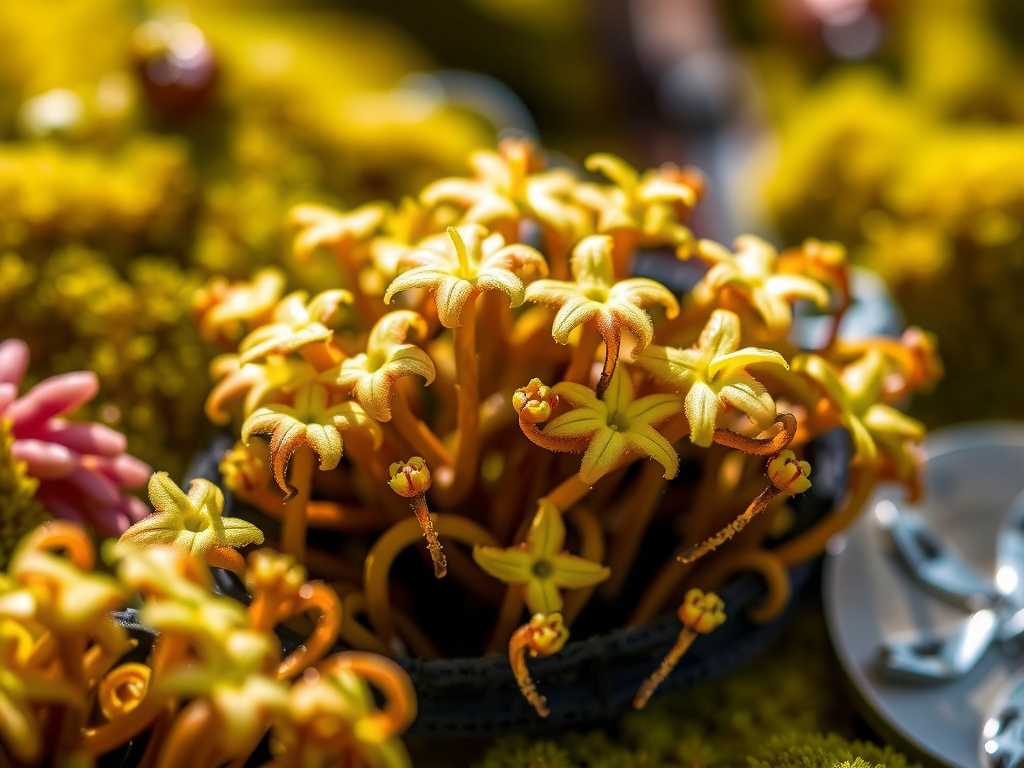
My plant's leaves are browning and crispy. Is it too late to save it? Not necessarily. Focus on the growing points (the tips of stolons). If they are still green and firm, there is hope. Follow the crisis management protocol: increase humidity dramatically (use a dome), reduce light intensity, and ensure the base media is moist. The plant may shed the damaged leaves but can regrow from the stolons. Patience is key—recovery can take several weeks.
What's the biggest mistake to avoid when treating summer stress? The most common and damaging mistake is overcompensating with excessive watering. Seeing a stressed plant, our instinct is to water it heavily. If the medium is already soggy and the stress is from heat/low humidity, more water will suffocate the roots and cause rapid rot. Always diagnose the primary stressor (likely heat/humidity/light) before changing your watering routine. Correct the environment first.
Success with epiphytic bladderworts in summer hinges on proactive environmental control, not reactive crisis care. By understanding their cloud forest origins and replicating those cool, humid, and airy conditions, you transform summer from a threat into merely another season. The sight of new, vibrant stolons snaking across their mount and the eventual emergence of those delicate, orchid-like flowers is the ultimate reward. It’s a testament to creating a niche of stability in the midst of seasonal extremes, allowing these captivating carnivorous plants to not just survive, but truly flourish.

发表评论