 admin
admin How to Feed Epiphytic Bladderwort for Active Traps
You’ve successfully brought home an epiphytic bladderwort, captivated by its unique, trap-laden stolons and the promise of watching it catch its own meals. But weeks go by, and those tiny, intricate bladders remain stubbornly inactive. You wonder, is it getting enough food? How do you even feed a carnivorous plant that lives on tree bark or in moss, not in soil? The frustration of an underfed, non-trapping bladderwort is real for many enthusiasts. The key to unlocking its fascinating predatory behavior lies not in generic care but in a precise understanding of its specialized feeding needs. This guide will demystify the process, ensuring your epiphytic bladderwort thrives with visibly active traps.
Understanding the Epiphytic Bladderwort’s Unique Appetite
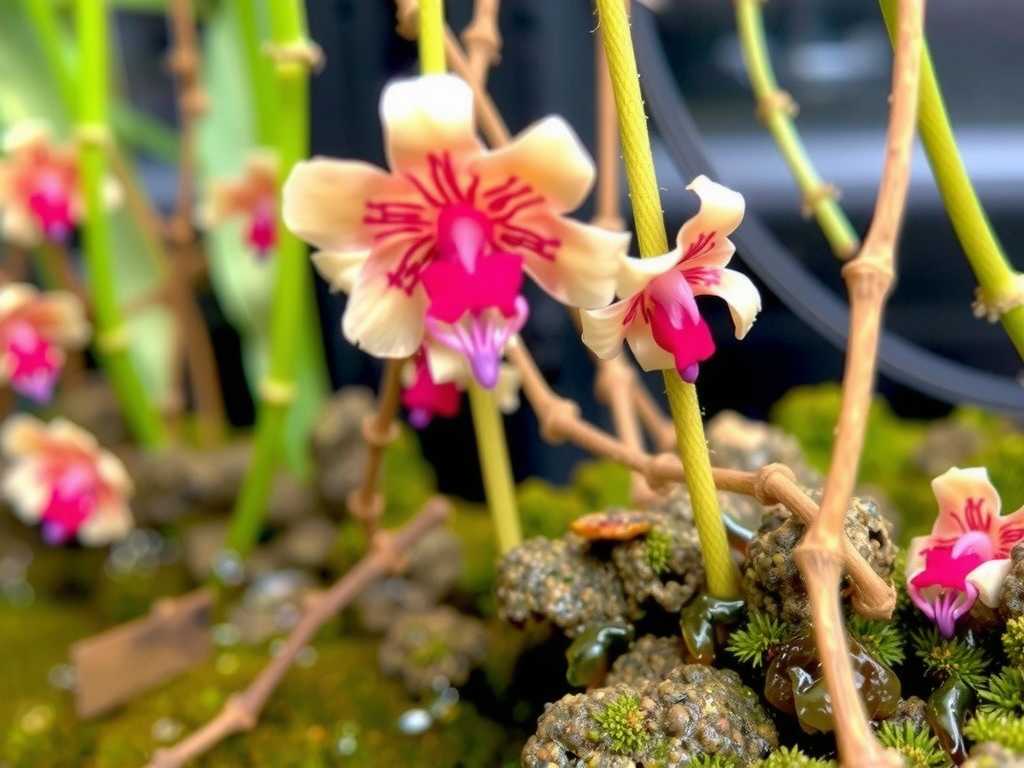
Unlike their terrestrial cousins, epiphytic bladderworts (primarily in the Utricularia genus, like U. alpina, U. humboldtii, or U. quelchii) have evolved to absorb nutrients from a different buffet. They don't use their roots for nourishment; instead, they anchor themselves. Their true magic lies in the microscopic bladders (utricles) on their stolons. Each bladder is a vacuum-powered trapdoor that sucks in unsuspecting prey—protozoa, rotifers, nematodes, and even tiny insect larvae—in a fraction of a second.
The core challenge in cultivation is replicating this source of microscopic prey. An inactive trap isn’t necessarily broken; it’s often just empty and waiting for the right stimulus. Proper feeding triggers growth, more frequent flowering, and the vigorous production of new stolons and traps.
The Right Diet: What to Feed Your Bladderwort
For active traps to function, they need the correct size and type of prey. Throwing in fruit flies or bits of meat is ineffective and harmful, as these cannot be digested and will rot, killing the bladder.
- Liquid Foods (The Beginner-Friendly Method): Specially formulated liquid fertilizers for carnivorous plants, highly diluted, can be absorbed directly by the plant’s foliage and stolons. A study in the Annals of Botany noted that certain Utricularia species can directly absorb amino acids through their vegetative structures. Use a quarter-strength solution and mist lightly once a month during active growth.
- Microfauna (The Natural Method): This is the gold standard for promoting active trap formation. You are essentially cultivating a live food source.
- Infusoria Culture: This is a soup of microorganisms perfect for bladderwort traps. Steep a piece of lettuce or a few rice grains in aged water for a few days. The cloudy water teems with protozoa.
- Daphnia or Cyclops: These tiny crustaceans, often sold as fish fry food, are an excellent size for larger-bladdered species.
- Vinegar Eels: A harmless nematode culture, these are a perfect, live snack that will trigger trap activity.
Step-by-Step: How to Feed Epiphytic Bladderwort
Method 1: The Liquid Fertilizer Misting Ensure your plant is in a typical, moist epiphytic setup (sphagnum moss on cork bark or in a terrarium). Prepare a diluted liquid fertilizer (e.g., Maxsea 16-16-16 or a specialized carnivorous plant formula) at 1/4 the recommended strength. Using a fine mist spray bottle, lightly mist the stolons and foliage, avoiding heavy droplets that pool. Perform this only in the morning so the plant dries slightly during the day, and no more than once per month during the growing season.
Method 2: Introducing Live Microfauna This method directly stimulates trap action. First, prepare your live food culture. For infusoria, simply draw some cloudy culture water into a pipette or syringe. Gently apply small droplets of this water directly onto the stolons where the bladders are located. The microorganisms will swim freely and eventually encounter the traps. For daphnia or vinegar eels, use tweezers or a pipette to place a few individuals near the traps. You may soon see the bladders darken slightly—a sign they are now digesting a meal.
Creating a Self-Sustaining Food Environment
The ultimate goal for a healthy epiphytic bladderwort collection is to establish a bioactive environment. Plant your bladderwort in a live sphagnum moss setup within a terrarium or a sealed glass container. The natural decay processes in the moss, coupled with occasional light feeding of microfauna, will establish a resident population of prey. This constant, low-level food source encourages the plant to maintain and produce new traps continuously, mimicking its natural habitat. Renowned carnivorous plant botanist, Dr. Barry Rice, often emphasizes that "the health of a bladderwort is directly visible in the abundance and color of its bladders." A bioactive setup makes this vibrant health achievable.
Key Signs of a Well-Fed Bladderwort
How do you know your feeding regimen is working? Observe these positive indicators:
- Darkened, Opaque Bladders: Empty traps are often translucent. A full, digesting trap becomes darker and opaque.
- New Stolon and Trap Growth: The plant will actively extend its stolons and produce new bladders.
- Increased Flowering: With ample nutrients, many epiphytic bladderworts will flower more readily and prolifically.
- Overall Vibrant Appearance: Healthy, firm foliage and steady growth are clear signs of success.
Common Feeding Mistakes to Avoid
- Overfeeding with Liquids: This is the fastest way to kill your plant. It can lead to fertilizer burn and algal blooms.
- Using the Wrong Food: Large insects, meat, or generic plant fertilizer will not be digested and will cause rot.
- Feeding During Dormancy: If your species has a rest period, cease all feeding until new growth appears.
- Neglecting Water Quality: Always use pure water (rainwater, distilled, or reverse osmosis) for both watering and creating liquid foods. Minerals in tap water can damage the plant and clog its delicate traps.
My bladderwort's traps are all dark. Does this mean they're all full? Not necessarily. While a dark bladder often indicates digestion, consistently and permanently dark or blackened traps can sometimes be a sign of old age or decay. Healthy feeding results in a mix of new (translucent), active (darkening), and old traps on the stolons. If all traps are uniformly black and the plant isn't growing, review your conditions.
Can I just put my bladderwort outside to let it catch its own food? This can be an excellent strategy in humid climates, provided the plant is acclimated to the light and protected from pests. Placing it in a sheltered, bright area will allow it to catch gnats and other micro-fauna naturally. However, ensure it never dries out and isn't exposed to chemical pesticides.
How often should I see trap activity after feeding? With live food, you might not "see" the action, as it's microscopic. However, within 24-48 hours of a successful microfauna feeding, you should notice the affected bladders change to a darker, opaque color. The plant's overall growth response—new stolons—will be visible over subsequent weeks.
Success with epiphytic bladderworts transforms cultivation from simple gardening into a fascinating observation of specialized biology. By providing the right microscopic nutrition—either through careful liquid supplementation or, more effectively, by introducing live cultures—you directly fuel the mechanism that makes this plant so extraordinary. The reward is a vigorously growing specimen, constantly deploying new traps, offering a unique window into the intricate world of botanical predation. Start with a diluted mist or a simple infusoria culture, observe the changes, and watch your plant's captivating predatory instincts come to life.
发表评论