 admin
admin How to Mount Epiphytic Bladderwort for Beginners Easily
Are you fascinated by the unique, carnivorous nature of bladderworts but feel intimidated by the idea of mounting an epiphytic variety? You’re not alone. Many beginners find the transition from potted plants to mounted displays daunting, worrying about proper moisture, secure attachment, and long-term care. The fear of watching your intriguing Utricularia slowly dry out or fail to thrive is real. However, with the right guidance, how to mount epiphytic bladderwort can be a simple, rewarding, and incredibly satisfying process. This guide is designed to demystify each step, ensuring your first foray into mounting these aerial carnivores is a resounding success.
Understanding Your Epiphytic Bladderwort
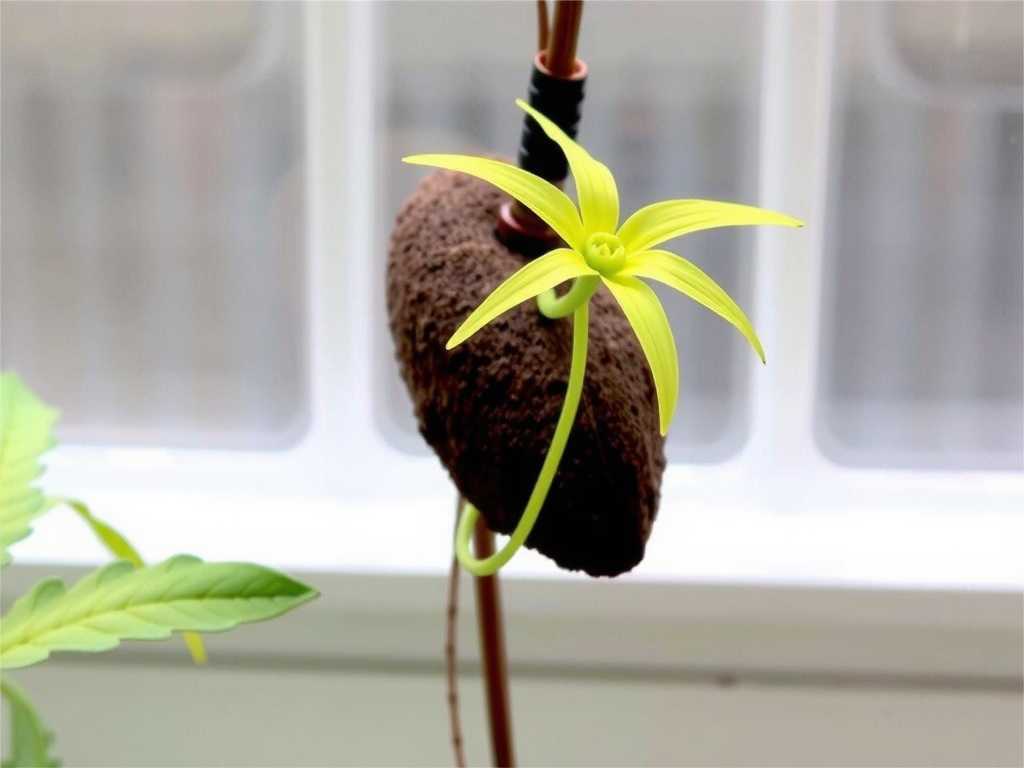
Before you begin, it’s crucial to know what makes epiphytic bladderworts special. Unlike their terrestrial or aquatic cousins, epiphytic species (like Utricularia alpina, U. quelchii, or U. campbelliana) naturally grow on tree branches or mossy rocks in humid, high-altitude environments. They don’t require soil. Instead, they absorb moisture and nutrients through their stolons (runner-like stems) and use their famous microscopic bladder traps to catch prey in the moist air or from water film. Their mounting requirements for epiphytic plants are specific: they need excellent air circulation, consistent high humidity, and a porous surface to cling to.
Essential Materials and Tools You Will Need
Gathering your supplies beforehand makes the process smooth. You won’t need complex tools.
- The Mount: Choose a porous, moisture-retentive material. Cork bark slabs (natural or expanded) are ideal due to their texture and rot resistance. Other excellent options include tree fern panels or driftwood. Avoid pressure-treated wood or toxic materials.
- The Anchor: Sphagnum moss (preferably long-fibered) is the gold standard. It holds moisture, provides a soft bed for stolons, and acidifies the environment slightly. You can also use a small amount of live moss as a top dressing.
- Attachment Method: Use clear, fine fishing line or plastic-coated plant wire. These are strong, non-rotting, and discreet. Avoid copper wire, as it can be toxic.
- The Plant: Start with a healthy epiphytic bladderwort division. Look for vibrant green stolons with active growth tips.
- Optional but Helpful: A spray bottle with distilled, reverse osmosis, or rainwater, and a pair of scissors or tweezers.
Step-by-Step: The Easy Mounting Process
Follow these clear steps for a secure and healthy setup.
Preparing Your Mount and Plant
First, soak your cork bark or tree fern mount in water for about 30 minutes. This ensures it is fully hydrated. While it soaks, prepare your bladderwort division. Gently separate a section with several growing points (stolons). If the plant is tangled in old moss, you can carefully tease some away, but it’s not necessary to remove it all.
Creating the Perfect Bed
Take a generous handful of long-fibered sphagnum moss and soak it until fully wet, then squeeze it firmly so it is damp but not dripping. Form a flat, even pad on the surface of your pre-soaked mount. This pad will be the cradle for your plant’s root system and stolons. As noted by carnivorous plant expert Dr. Barry Rice in his seminal work Growing Carnivorous Plants, a stable, moist substrate is key for epiphyte establishment, acting as a "humidity reservoir" for the roots.
Positioning and Securing the Plant
Lay your bladderwort division gently on top of the moss pad. Spread the stolons out naturally so they contact the moss. Don’t bury them. Begin wrapping your fishing line around the entire mount, moss, and plant. Use a crisscross pattern, applying gentle but firm pressure. The goal is to hold the plant snugly against the mount without cutting into the delicate stolons. Tie the line off securely at the back. The plant should feel immobile when you touch it lightly.
Post-Mounting Care for Thriving Growth
Your job isn’t over once it’s mounted. Proper initial care is what makes epiphytic bladderwort mounting for beginners truly successful.
The Critical Acclimation Period
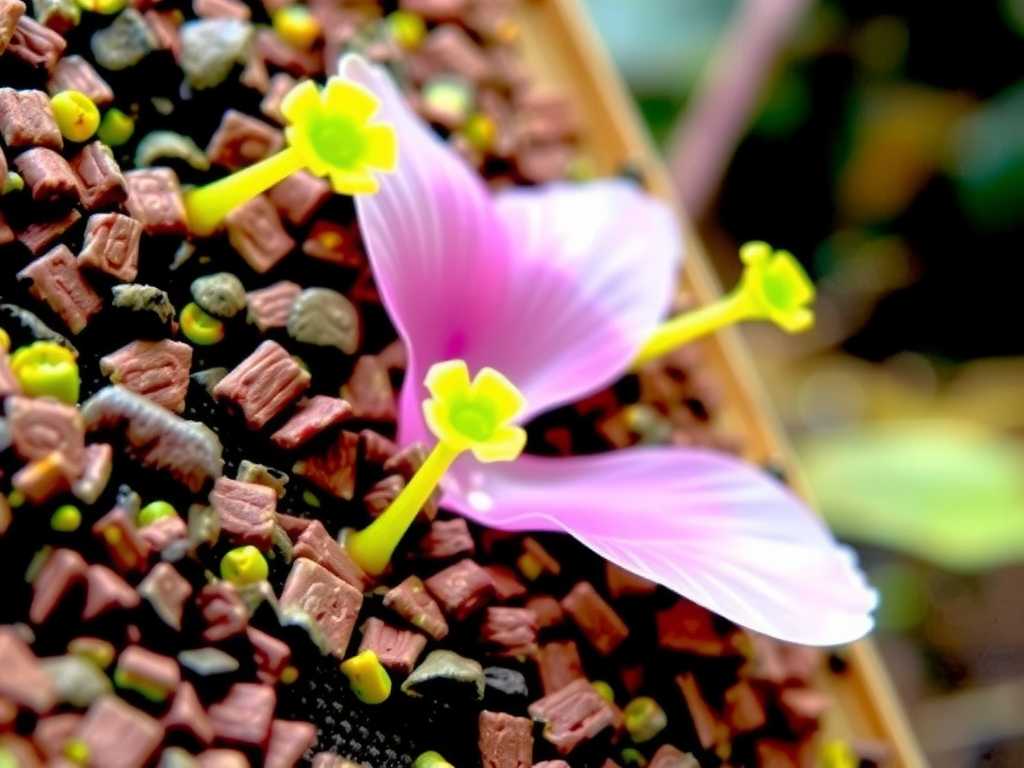
For the first 2-3 weeks, your mounted bladderwort needs extra TLC. Place it in a very high-humidity environment, such as a terrarium, greenhouse, or a clear plastic propagation box. Provide bright, indirect light (avoid direct, scorching sun during this phase). Mist the mount lightly once or twice daily with pure water to maintain surface moisture without waterlogging.
Long-Term Growing Conditions
After acclimation, your plant can transition to its permanent home. Most growers maintain mounted epiphytic bladderworts in terrariums, orchidariums, or humid greenhouse cabinets.
- Light: Provide bright, filtered light for 10-12 hours daily. LED grow lights are excellent.
- Water & Humidity: This is the most critical factor. Aim for 70-80% relative humidity. Water by thoroughly misting or dunking the entire mount in pure water for a minute, 2-3 times per week. Allow it to drain completely. The mount should approach dryness between waterings but the moss pad should never become bone-dry or crispy.
- Feeding: These are carnivorous plants. In a closed, humid environment, they will often catch enough microscopic prey (like springtails or gnats) on their own. You should not need to feed them manually.
Troubleshooting Common Issues
Even with care, you might encounter a challenge. Here’s how to fix it.
- Stolons Turning Brown or Shriveling: This is usually a sign of insufficient humidity or moisture. Increase misting frequency temporarily and ensure the moss pad remains damp. Check that the mount isn’t drying out too quickly due to excessive airflow.
- Algae or Mold Growth on the Mount: This indicates conditions are too wet and stagnant. Improve air circulation slightly, reduce the frequency of dunking, and ensure you have a dry-off period. You can gently scrape algae off the mount surface.
- Plant Loosening or Detaching: The attachment may have loosened. Re-secure it with new fishing line promptly to prevent the stolons from drying out.
How often should I water my mounted bladderwort? There’s no universal schedule. Watering frequency depends entirely on your local humidity, temperature, and airflow. The best method is the "touch test": if the moss pad feels just slightly damp to the touch, it’s time to water again. This typically means dunking or heavy misting 2-3 times per week in an enclosed setting.
Can I mount my bladderwort on lava rock or other materials? Yes, lava rock is another excellent, porous option. The key principles remain the same: use a moisture-retentive moss pad as an interface between the hard mount and the plant’s stolons, and secure it firmly. The process for mounting epiphytic Utricularia on rock follows identical steps to using cork bark.
My mounted plant isn’t flowering. What am I doing wrong? Epiphytic bladderworts often require very stable, high-humidity conditions and mature growth to bloom. Ensure it receives consistent, bright light and is not stressed by drought or temperature swings. Patience is key; a well-established mount may take a full growing season or more before it has enough energy to produce its beautiful, often orchid-like flowers.
Starting with a well-hydrated mount and a secure moss base sets the foundation. Consistent high humidity and pure water are the lifelines for your plant’s delicate stolons. By observing your plant closely and adjusting care to mimic its natural, misty habitat, you’ll not only keep it alive but will witness it spread into a lush, captivating display. The sight of those tiny trapping bladders and trailing stolons flourishing on your handmade mount is the ultimate reward for your effort.

发表评论