 admin
admin How to Mist Epiphytic Bladderwort for Ideal Moisture
You’ve carefully selected the perfect spot with bright, indirect light for your epiphytic bladderwort. You’ve mounted it on a beautiful piece of cork or tree fern. Yet, you watch in frustration as its delicate, bladder-adorned stolons begin to crisp at the tips or, conversely, turn to a soggy, dark mush. The culprit? Improper moisture management. Unlike terrestrial plants or even many common epiphytes, bladderworts (Utricularia spp.) from epiphytic habitats demand a very specific misting regimen to thrive. Getting it wrong means a slow decline, but getting it right unlocks a spectacle of unique foliage and fascinating tiny blooms. This guide cuts through the confusion, providing a clear, step-by-step framework for how to mist epiphytic bladderwort to achieve and maintain that elusive ideal moisture balance.
Understanding Your Epiphytic Bladderwort’s Native Habitat
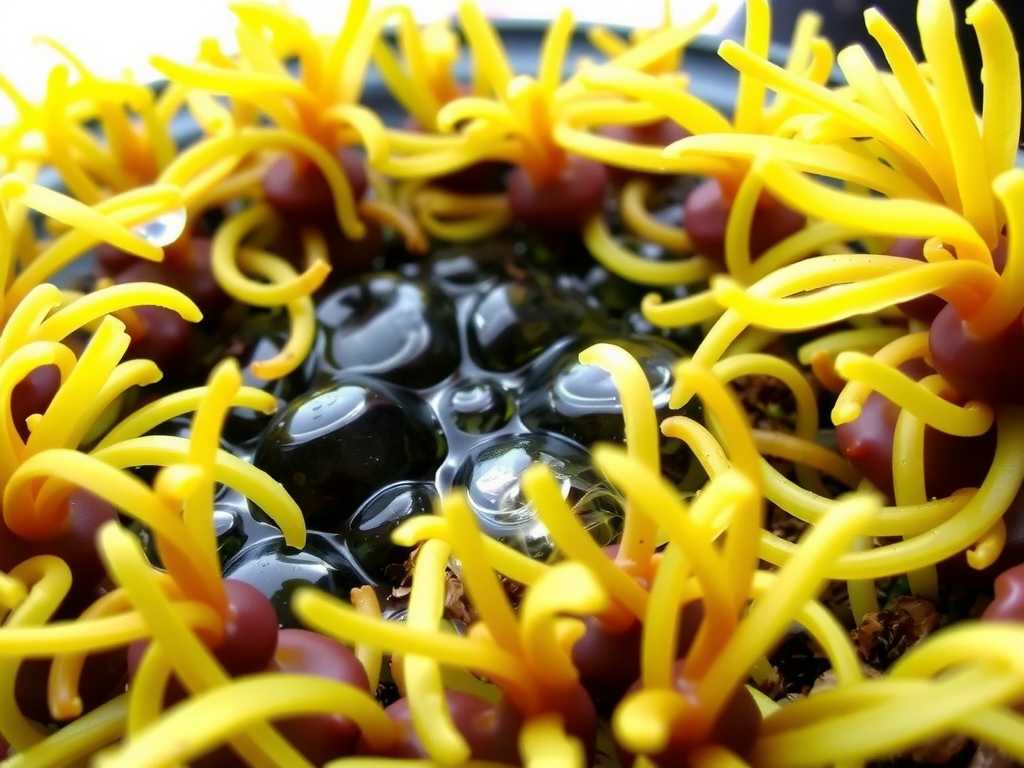
To mist effectively, you must first think like a cloud forest. Epiphytic bladderworts, such as the popular Utricularia alpina, U. quelchii, or U. campbelliana, do not grow in soil. They perch high in the canopy on mossy branches in tropical highlands. Here, they experience near-constant high humidity, but their roots are exposed to moving air. Moisture comes from daily mist, fog, and frequent rain showers that drain away almost instantly. They are never waterlogged. Their tiny, carnivorous bladders rely on this surface moisture to function. Replicating this "constantly damp but never drowned" state is the absolute cornerstone of success. As noted by horticulturist and carnivorous plant expert Dr. Barry Rice in his writings, "The line between perfect moisture and rot for these species is remarkably fine. It’s about frequency of wetting, not volume of water."
Essential Tools for Precision Misting
Before you spray a single drop, assemble the right arsenal. This is not a task for a heavy-handed watering can.
- Fine-Mist Spray Bottles: This is non-negotiable. Use a bottle that produces a very fine, almost fog-like mist. A coarse spray will bead up and run off, failing to hydrate the moss or mount properly and potentially flooding the plant’s crown.
- Water Quality: Pure water is critical. Always use distilled, reverse osmosis (RO), or rainwater. Tap water, even if soft, contains dissolved minerals that will quickly build up on the leaves and in the mounting medium, burning tender tissues and clogging the bladders.
- Hygrometer: A digital hygrometer is your best friend. It provides objective data on your growing area’s ambient humidity, taking the guesswork out of your misting schedule. Aim to maintain 70-85% relative humidity for most species.
- Proper Mounting: The plant must be on a moisture-retentive yet breathable mount. Sphagnum moss (live or long-fibered) wrapped around the roots and secured to cork bark or tree fern fiber is the gold standard. This setup holds moisture from misting while allowing excellent air circulation.
Your Step-by-Step Guide to Misting for Ideal Moisture
Follow this actionable routine to create the perfect microclimate.
Assessing the Need to Mist Never mist on a rigid schedule. Instead, perform a daily check. Gently touch the surface of the sphagnum moss on the mount. Is it still cool and slightly damp from the previous misting? If so, wait. Is it just beginning to feel superficially dry on the very top layer, while the moss underneath still holds some moisture? This is your prime misting window. The mount should cycle between damp and slightly less damp, never bone dry or sopping wet.
The Correct Misting Technique Technique is everything. Hold the fine-mist bottle about 6-8 inches from the mount. Spray in a gentle, sweeping motion, targeting the moss and the mount itself. The goal is to thoroughly moisten the mounting medium and create a fine dew on the plant’s leaves and stolons. You should see a visible glisten but no large droplets forming or water streaming down the mount. A light misting that takes 3-5 seconds per small mount is often sufficient. The key is even coverage.
Determining Optimal Misting Frequency Frequency depends entirely on your environment. In a well-humidified terrarium or grow tent, you may only need a light mist every other day. On an open shelf in a room with lower humidity, you might need to mist lightly once or even twice daily. Let your hygrometer and the "touch test" guide you. High air movement (from fans) will increase evaporation and may require more frequent misting. Always err on the side of slightly less frequent misting rather than overdoing it; root and stolon rot from constant saturation is a far greater and quicker killer than slight, temporary dryness.
Integrating Misting into a Complete Care Routine Misting is the core hydration method, but it works in concert with other care.
- Soaking: Once a week, if your mount feels unusually dry or as preventative care, you can briefly soak the entire mount (plant-side-up) in a shallow dish of pure water for 2-3 minutes. This ensures the inner moss is rehydrated. Immediately remove and let excess water drain completely.
- Fertilization: Epiphytic bladderworts have minimal nutritional needs. If desired, use a highly diluted orchid fertilizer (¼ strength or less) in your misting bottle no more than once a month. Apply it only to the moss, avoiding direct spraying of the foliage if possible.
- Air Circulation: This is the silent partner to misting. Excellent air movement from a gentle fan prevents stagnant, soggy conditions that lead to fungal and bacterial growth. It mimics the breezes of their natural habitat.
Troubleshooting Common Moisture Problems
- Signs of Under-Misting: Stolon tips turning brown and crispy. Leaves appearing shriveled or thin. Lack of new growth. Bladders may appear shrunken or empty.
- Signs of Over-Misting: Stolons and leaves turning black, soft, and mushy. A foul smell from the mount. Rapid die-back of sections of the plant. Presence of mold or algae on the moss surface (often a sign of chronic over-wetting).
- Adjusting for Seasons: Most homes are drier in winter due to heating. You may need to mist more frequently or use a humidifier. In humid summers, you can often reduce frequency.
Frequently Asked Questions
Can I water my mounted bladderwort by pouring water on it instead of misting? It is not recommended. Pouring water often floods the crown of the plant and fails to evenly hydrate the mount, leading to dry pockets and waterlogged areas. The fine, gentle hydration from misting is far superior and mimics natural conditions.
What time of day is best for misting epiphytic bladderworts? Early morning is ideal. This allows any excess moisture on the foliage to evaporate as the day warms up, reducing the risk of rot. Avoid heavy misting right before lights go out, as the plant will remain wet and cool for an extended period.
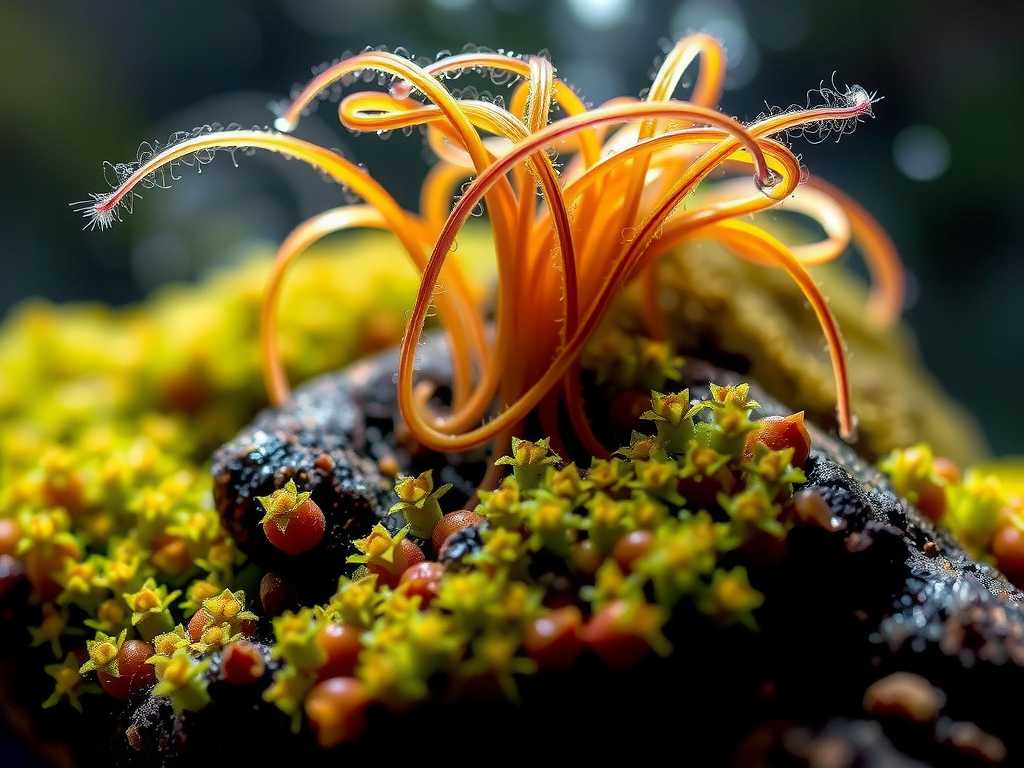
My humidity is always low (below 50%). Can I still grow these plants? It is extremely challenging. While diligent, frequent misting can help, the plant will constantly lose moisture to the dry air, putting it under severe stress. For consistent success, invest in a cloche, a small terrarium, or a humidifier to create a localized high-humidity environment. This is more effective than trying to mist an exposed plant ten times a day.
Mastering the art of misting epiphytic bladderwort transforms its care from a guessing game into a predictable routine. By prioritizing a fine mist of pure water applied to a breathable mount, guided by touch and a hygrometer rather than the calendar, you create the humid, airy microclimate these extraordinary carnivorous plants crave. Observe your plant closely—it will tell you what it needs. With patience and this precise approach, you’ll be rewarded with a healthy, growing specimen that showcases the unique beauty and fascinating biology of the epiphytic bladderwort.


发表评论