 admin
admin How to Fix Epiphytic Bladderwort Wilting Fast and Effectively
I remember the sinking feeling all too well. One day, my vibrant epiphytic bladderwort, a delicate masterpiece of nature, looked perky and full of promise. The next, its once-turgid strands began to droop, turning soft and translucent—a classic sign of wilting. Panic set in. As a dedicated plant enthusiast, I’d faced challenges before, but the unique nature of these carnivorous, epiphytic plants made this particularly daunting. If you're here, you likely know that gut-wrenching worry. You’ve searched for a reliable, actionable guide on how to fix epiphytic bladderwort wilting, and you need answers that work, not just theory. After a meticulous, two-week rescue mission filled with trial, error, and eventual success, I’m here to walk you through every step I took to revive my plant and ensure it thrives long-term.
Understanding Why Your Epiphytic Bladderwort is Wilting
Before you can treat the problem, you must diagnose it correctly. Wilting is a symptom, not the disease itself. For epiphytic bladderworts (like the popular Utricularia alpina or U. quelchii), which grow on bark or in airy media rather than soil, the causes are specific. Through my research and consultation with resources from the Carnivorous Plant Society (CPS) and experienced growers, I pinpointed the primary culprits.
The most common issue is water stress and improper hydration. This seems straightforward, but it’s nuanced. Epiphytic bladderworts are sensitive to both drought and suffocation. They require constant moisture around their roots and stolons but abhor being waterlogged. Using standard potting soil or keeping them in a sealed, stagnant terrarium is a death sentence. Their fine, hair-like roots and absence of a true root system mean they absorb moisture and nutrients directly from a humid atmosphere and their trapping bladders.
Secondly, humidity and airflow imbalance is a silent killer. These plants evolved in cool, misty, high-altitude cloud forests. They need high humidity (often 70%+) but also superb air circulation to prevent fungal and bacterial rot. Stagnant, overly wet air around the foliage leads to the rapid collapse of their delicate structures.
Finally, lighting issues and nutrient deficiencies play a role. While they don’t need blazing sun, insufficient light weakens the plant, making it susceptible to wilting. Furthermore, a common mistake is assuming their carnivory provides all nutrients. Epiphytic species often have tiny bladders and may benefit from minute, diluted foliar feeding if they are struggling.
My 2-Week Rescue Plan: Step-by-Step Revival Process
Armed with this knowledge, I devised and executed a rescue plan. I committed to daily observations and adjustments over a critical 14-day period. Here is the exact sequence I followed.
Day 1-3: Emergency Assessment and Repotting
The first step was a gentle intervention. I carefully unpotted my wilting Utricularia alpina from its degraded, moisture-retentive sphagnum mix. What I found confirmed my fears: the lower stolons were mushy and brown, a sign of rot, though the upper growth still had some green. This is a critical fast and effective treatment for bladderwort collapse.
I prepared a new, ultra-airy medium as recommended by master growers: a blend of long-fibered sphagnum moss, perlite, and orchid bark (small chunks). I soaked this mix in distilled water (never tap water, due to mineral sensitivity) and squeezed it out so it was damp, not dripping. I then created a shallow layer of this mix in a well-ventilated plastic orchid pot with many side holes. I laid the healthy green stolons on the surface, barely covering them, and placed the pot in a shallow tray with a small amount of water. The goal was to create a humid microclimate without waterlogging the plant base.
Day 4-10: Optimizing the Environment
With the plant in its new home, I focused on its surroundings. I moved it to a location with bright, indirect light—an east-facing windowsill was perfect. To tackle the humidity and airflow paradox, I employed a small, quiet USB fan set on low, positioned to gently move air across the plant shelf but not directly blast it. Next to the pot, I placed a humidity tray filled with water and pebbles. According to principles often cited in horticultural best practices, this combination elevates local humidity while moving air prevents pathogen buildup, a concept supported by the emphasis on environmental control in RHS (Royal Horticultural Society) guidelines for specialist plants.
I instituted a strict watering regimen: checking the media surface daily. If it looked even slightly dry, I used a spray bottle to mist the surface and the surrounding air with distilled water. The tray was kept with just enough water to evaporate by day's end, then refilled. This encouraged the stolons to seek moisture and re-root.
Day 11-14: Observation, Adjustment, and the First Signs of Recovery
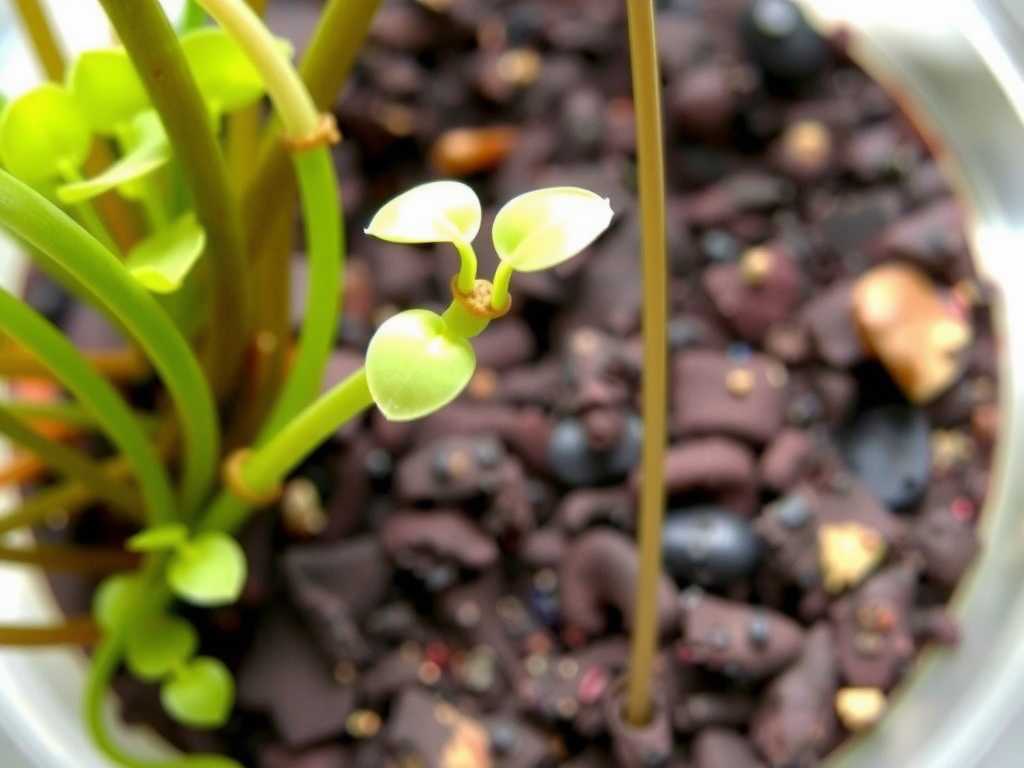
This was the patience-testing phase. For several days, the plant seemed static—neither worsening nor improving. I resisted the urge to overwater or move it constantly. Around Day 12, I noticed a change. The previously limp green strands seemed firmer. A tiny, new, bright green growth tip appeared from one of the stolons. This was the breakthrough! The wilting had halted.
I continued the regimen, and by Day 14, several new growth points were evident. The plant was clearly re-establishing itself. It was not "lush" yet, but the crisis was over, and recovery was underway.
Common Pitfalls I Encountered and How I Solved Them
My journey wasn't perfectly smooth. I made mistakes that could have doomed the plant, and learning from them was crucial.
Pitfall 1: Over-Misting and Encouraging Mold. Early on, I misted the plant itself heavily twice a day. This left water droplets sitting on the foliage for hours. Soon, a faint gray fuzz (mold) appeared on a decaying leaf. Solution: I immediately switched to misting the air above and the media surface only, early in the morning so any accidental splash would evaporate quickly. I increased the fan's runtime slightly. The mold dried up and did not spread.
Pitfall 2: Misinterpreting "Constant Moisture." I initially kept the water tray perpetually full, thinking "constant moisture" meant the pot should sit in water. This kept the very bottom of the new medium too wet, risking a repeat of rot. Solution: I adopted the "damp sponge" analogy. The medium should feel like a thoroughly wrung-out sponge. I allowed the tray to dry out completely for a few hours each evening before adding a fresh quarter-inch of water. This created a slight wet-dry rhythm that stimulated healthier root and stolon growth.
Pitfall 3: Impatience with Fertilization. Seeing the plant weak, I considered a diluted fertilizer to boost it—a major risk for carnivorous plants. Solution: I held firm. As the American Horticultural Society (AHS) notes for sensitive plants, "the solution to pollution is dilution," but the risk was too high during crisis. Nutrition would come only after solid recovery. Instead, I ensured the plant's bladders could catch prey by occasionally introducing tiny springtails to its enclosure, a natural and safe nutrient source.
Long-Term Care to Prevent Future Wilting Episodes
Revival is only half the battle. Preventing a recurrence is key. My successfully revived bladderwort now thrives under these permanent care adjustments.
The Perfect Home: It will forever live in that airy, chunky mix. I repot annually in fresh medium to prevent compaction and organic breakdown. The pot choice—ventilated and shallow—is non-negotiable.
Water and Humidity Mastery: I use only rainwater or distilled water. The "damp sponge" check is a daily ritual. The humidity tray and gentle fan are permanent fixtures, maintaining that crucial balance. I’ve found that maintaining optimal conditions for epiphytic Utricularia is about consistency in these micro-environmental factors.
Light and Feeding: It receives consistent, bright filtered light. Once the plant was vigorously growing, I introduced an extremely diluted (1/4 strength) orchid foliar fertilizer, sprayed once a month during active growth. This provides trace minerals without overwhelming it. The primary food source remains the microfauna in its environment.
Frequently Asked Questions
Can a completely brown and dry bladderwort be saved? If all above-ground growth is crisp and brown, the plant is likely deceased. However, if there are any white, yellow, or firm green stolons (even if leafless) under the media, there is hope. Follow the repotting steps, placing those living stolons on fresh, damp media. Patience is key; recovery from this state can take many weeks.
What’s the difference between wilting from underwatering and overwatering? This is subtle but critical. Underwatering typically leads to dry, crispy, and browned leaves/stolons. The plant looks desiccated. Overwatering (and resultant rot) leads to soft, mushy, translucent wilting. The affected parts feel soggy and may darken to a brownish-black. In my case, it was primarily rot from overwatering and poor media.
How often should I repot my epiphytic bladderwort? For health and to prevent media breakdown, aim to repot every 12-18 months. The best time is at the beginning of its active growth period, typically spring. This refreshes the medium, gives you a chance to divide if it's overgrown, and prevents the slow decline that can lead to wilting.
Seeing those first new, vibrant green tips emerge from a wilting plant is one of the most rewarding experiences for a plant lover. The journey taught me that fixing epiphytic bladderwort decline is less about a single miracle cure and more about meticulously rebuilding and maintaining its native environment. It requires observation, patience, and a willingness to correct course. By understanding the unique needs of these aerial carnivores—prioritizing airy media, balanced humidity, pure water, and gentle air movement—you can not only rescue a wilting specimen but also cultivate a stunning, healthy plant that will captivate you for years to come. The key is to start with a precise diagnosis, act methodically, and then commit to the consistent care that prevents problems before they begin.

发表评论