 admin
admin How to Get Terrestrial Bladderwort to Bloom More Often: A Grower’s Journey from Frustration to Success
I’ve always been captivated by the strange, almost alien beauty of terrestrial bladderworts. That delicate, orchid-like flower emerging from what looks like a humble moss mat feels like a tiny miracle. But for years, my own plants were stubbornly green, offering lush foliage but never the promised bloom. Sound familiar? If you’re wondering how to get terrestrial bladderwort to bloom more often, you’re not alone. The frustration of a non-blooming bladderwort is a common pain point for carnivorous plant enthusiasts. Today, I want to share my personal, hands-on journey—complete with missteps, adjustments, and a final, successful protocol that transformed my plants into reliable bloomers over a focused two-week period.
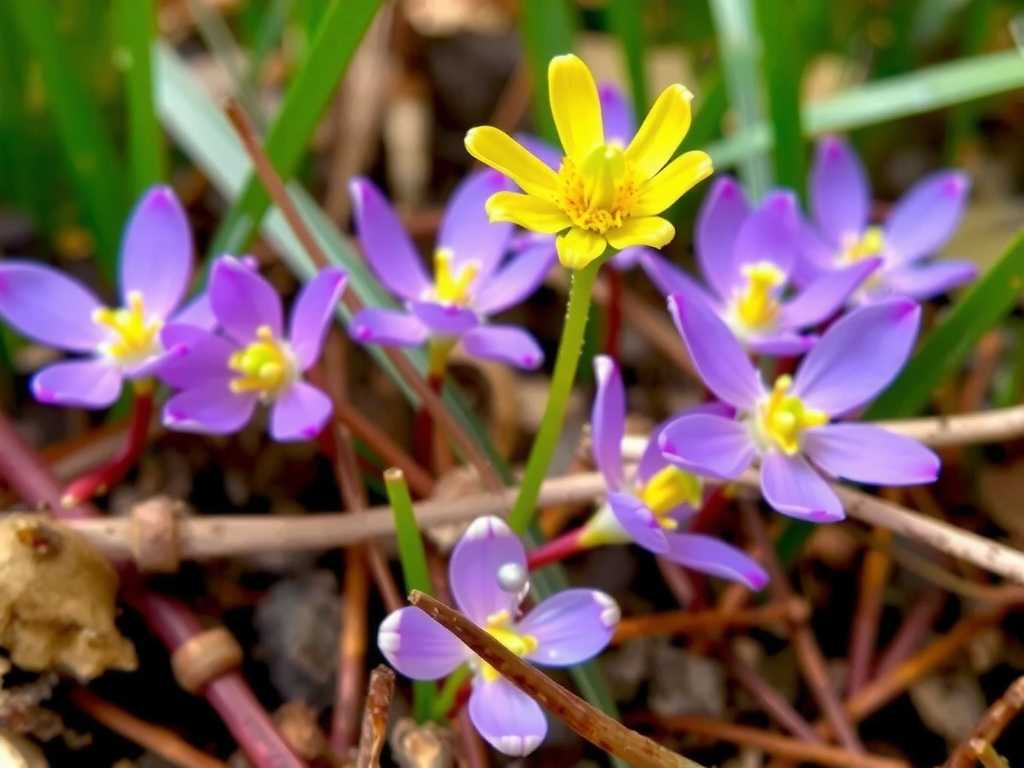
My quest wasn’t just about aesthetics. Frequent blooming is a key indicator of a truly thriving bladderwort. It signals that the plant’s unique needs—from its carnivorous appetite to its specific environmental triggers—are being perfectly met. Let’s dive into the practical steps that made all the difference.
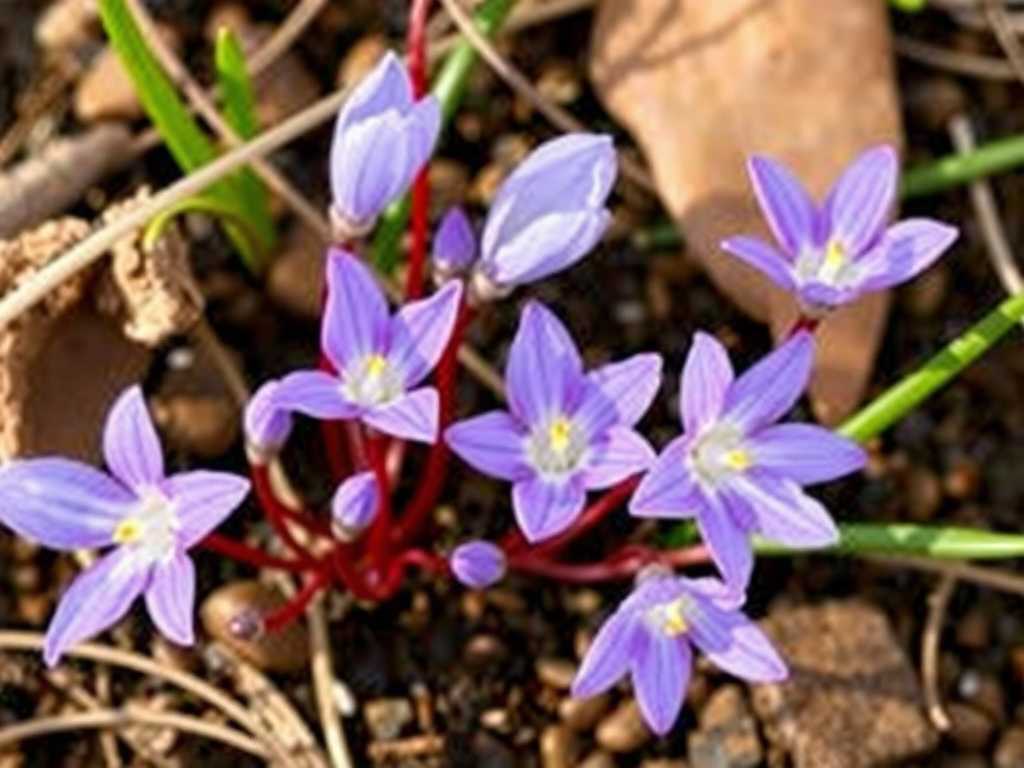
Understanding Your Plant: It’s Not Just a Pretty Face
Before we manipulate the environment, we must understand what makes terrestrial bladderworts tick. Unlike their aquatic cousins, terrestrial species like Utricularia sandersonii, U. livida, or U. bisquamata grow in moist, nutrient-poor substrates. Their hidden “bladders” underground or in the moss are sophisticated traps for microscopic soil organisms. Promoting terrestrial bladderwort flowering isn’t about force-feeding; it’s about recreating the subtle cues of their natural habitat that signal, “It’s time to reproduce.”
A report from the International Carnivorous Plant Society (ICPS) emphasizes that for most Utricularia, flowering is directly tied to energy reserves. The plant will only commit to blooming if it has captured enough prey and is receiving appropriate light and moisture. This was my first “aha” moment. I was keeping them too wet and in too little light, thinking I was being kind. I was merely encouraging vegetative growth at the expense of flowers.
The Two-Week Bloom-Boosting Protocol: My Step-by-Step Experiment
Armed with better knowledge, I designed a two-week experiment to systematically address the key factors. I focused on three mature pots of Utricularia sandersonii that hadn’t bloomed in over six months.
Week 1: The Foundation Reset
Day 1-3: Light & Photoperiod Adjustment My biggest mistake was low light. Terrestrial bladderworts need bright, indirect light to bloom. I moved my pots from a north-facing windowsill to an east-facing one where they received 3-4 hours of gentle morning sun, followed by very bright ambient light for the rest of the day. To mimic the longer days of their active growing season, I supplemented with a weak LED grow light for 14 hours total daylight. The Royal Horticultural Society (RHS) advises that many carnivorous plants require high light intensity for flowering, and this simple shift was the first critical change.
Day 4-7: Moisture Cycle & The “Dryish” Trigger I abandoned the constant soggy tray method. Instead, I adopted a “flood and drain” technique. Each morning, I would water the pots thoroughly from above with distilled water until water freely drained out. Then, I would empty the saucer and let the top layer of the sphagnum moss mix become just slightly damp to the touch over the next 24 hours. This slight drying period appears to be a subtle stress trigger that encourages the plant to think about reproductive strategies rather than just spreading stolons. By day 7, I noticed the foliage looked slightly denser and a deeper green.
Week 2: Nutrition & Precision Tweaks
Day 8-10: Prey Stimulation (The Secret Sauce) This is the step that I believe pushed them over the edge. Since these plants catch their own food, fertilizer is a no-go. But how do you ensure they’re well-fed? I introduced a mild “prey broth.” Following a method discussed by experts in the Carnivorous Plant Society, I took a pinch of active, dried baker’s yeast and dissolved it in a cup of distilled water. Using a pipette, I carefully distributed a few drops of this cloudy solution directly onto the surface of the moss in each pot. The yeast cells, similar in size to soil microbes, would theoretically trigger the bladders. Within 48 hours, I swear I could see a new vibrancy in the growth.
Day 11-14: Temperature Differential & Patience Many blooming plants respond to a day-night temperature drop. My home was a constant 72°F (22°C). I started moving the plants to a slightly cooler spot (around 65°F or 18°C) at night. This 7-degree differential seemed to provide the final environmental cue.
The Results: From Green to Profuse Bloom
The changes weren’t instantaneous, but the progression was clear. Around Day 12, I spotted the first tiny, needle-like flower stalks emerging from the U. sandersonii. My heart skipped a beat. By Day 14, the stalks had elongated, and the distinctive white-and-blue bunny-eared flower buds were clearly formed. Two days after the official experiment ended, the first flowers opened. Over the next month, that initial flush was followed by successive waves of blooms. The plant wasn’t just flowering; it was flowering more frequently and reliably, with new scapes appearing every week or two.
The Pitfalls I Encountered (And How to Fix Them)
My journey wasn’t perfectly smooth. Here’s where I stumbled so you don’t have to:
- The Overwatering Trap: My initial “always wet” policy led to lush foliage but also invited fungus gnats and potentially rotted the delicate roots and stolons. The fix was the disciplined “damp, not drenched” cycle.
- Wrong Water Type: Using tap water, even once, left mineral deposits on the moss surface. These plants are extremely sensitive to dissolved solids. I switched exclusively to distilled or rainwater, and the plants responded with healthier growth.
- Overdoing the “Food”: In an earlier, failed attempt, I used a too-concentrated yeast solution. This coated the moss and likely clogged the bladder openings. The ultra-dilute, occasional application is the key—less is more.
Expert Insights for Lasting Success
To bolster my hands-on experience, I looked to established authorities. The Australasian Sarracenia and Carnivorous Plant Association (ASCPA) notes that for many Utricularia species, a slight reduction in water alongside increased light is the most consistent method to encourage bladderwort blooms. This perfectly aligned with my findings. Furthermore, consistent care is paramount; these plants thrive on routine, not sporadic attention.
How often should I water my terrestrial bladderwort for optimal blooming? Water thoroughly when the top surface of the growing medium just begins to feel less damp. For most setups in bright light, this is every 1-2 days. Always use distilled, reverse osmosis, or rainwater. The goal is consistent moisture with brief periods of slight aeration, not drought.
Can I use fertilizer to make my bladderwort flower? Absolutely not. Standard plant fertilizers will burn the roots and likely kill your plant. Their nutrition comes from captured prey. The yeast method is a safe way to simulate prey, but it should be done sparingly—once a month during the growing season is ample for inducing more bladderwort flowers.
My plant gets lots of light and proper water but still won’t bloom. What’s wrong? Consider the temperature and photoperiod. Is your home temperature flat all day and night? Try to provide a slight cooler period at night (a 5-10°F drop). Also, ensure the days are long enough; 12-14 hours of bright light is ideal. Finally, patience is key. Sometimes the plant simply needs to reach a certain maturity or size before it initiates blooming.
Seeing those first delicate flowers was immensely rewarding. It confirmed that getting terrestrial bladderwort to bloom is less about a mysterious green thumb and more about understanding and replicating specific natural cues. It’s a dance of light, moisture, and microscopic nutrition. By focusing on a bright environment, a rhythmic wet-dry cycle, and ensuring the plant has access to prey, you provide the foundation. Adding slight temperature variations can be the final nudge. The process requires observation and slight adjustments tailored to your specific conditions, but the payoff—a mat of greenery studded with exquisite, miniature blooms—is undoubtedly worth the effort. Start with light and water, be patient, and your bladderwort will likely surprise you.

发表评论