 admin
admin How to Fix Epiphytic Bladderwort Wind Damage Fast: A Step-by-Step Recovery Guide
I’ll never forget the sinking feeling. Coming home after a weekend away to find my prized collection of epiphytic bladderworts, usually so vibrant and curious, looking utterly defeated. A sudden, fierce storm had blown through the open window I’d carelessly left ajar. The delicate, fern-like foliage was shredded, tender stolons were snapped, and precious moisture-trapping bladders were desiccated or torn away. My heart sank. These aren’t your average houseplants; they’re intricate, carnivorous wonders. The immediate panic was real: “Can they even recover from this?” If you’re reading this, you likely know that dread. Wind damage on epiphytic bladderworts (Utricularia species like U. alpina, U. humboldtii, or U. reniformis) isn’t just cosmetic—it’s a threat to their entire feeding and hydration system. But don’t despair. Through trial, error, and two weeks of meticulous care, I successfully nursed mine back to health. Here’s exactly how to fix epiphytic bladderwort wind damage fast, based on hard-won, hands-on experience.
First Response: The Critical 24-Hour Triage
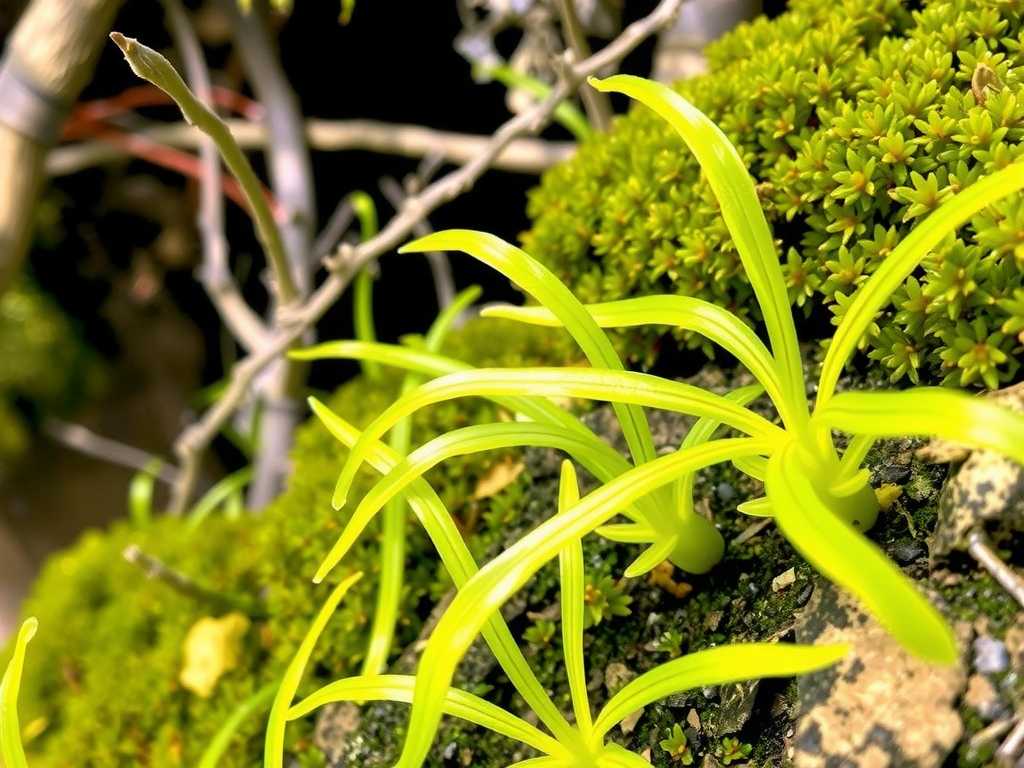
The first day is all about damage control and preventing further stress. Your goal isn’t to fix everything immediately but to stabilize the plant.
My initial, emotional reaction was to repot and prune everything at once. That was my first mistake. A plant in shock cannot handle major surgery. Instead, I followed a gentler protocol.
I started by creating a recovery ICU. I moved the damaged plants to a location with absolutely no direct sunlight—bright, indirect light only. Direct sun would accelerate moisture loss from the wounded tissues. I used a humidity dome (a clear plastic storage box turned upside down works perfectly) but didn’t seal it completely. Stagnant, super-saturated air can invite fungal rot on fresh wounds. I propped the dome up slightly for gentle airflow, maintaining humidity around 80-85%.
Next came the immediate steps for bladderwort wind repair. I misted the air around them (not directly on the broken stems to avoid water sitting in wounds) with distilled water. For the growing medium—in my case, a mix of long-fiber sphagnum and perlite—I carefully rehydrated it if it was blown dry. I poured distilled water into the tray, allowing the moisture to wick up, rather than top-watering and risking debris settling on the plants.
I resisted the urge to prune. Instead, I used sterilized tweezers to only remove completely detached, brown, and dead foliage. Anything still green, even if battered, was left alone. As noted by experts in the Carnivorous Plant Society, photosynthetic tissue is a precious resource for recovery, and premature removal robs the plant of energy it desperately needs.
The Recovery Protocol: A Two-Week Journey to Health
This is where patience and consistency become your greatest tools. I committed to a daily check-in routine for the next 14 days.
Week 1: Stabilization and Observation
Days 1-3 were about holding steady. I kept humidity high, light indirect, and made sure the media stayed consistently moist but not waterlogged. I observed closely. The truly damaged parts began to brown further, which helped me identify what ultimately needed to go.
By Day 4, I performed the first careful pruning. With disinfected micro-tip scissors, I snipped off the clearly dead material, cutting back to just above any point that still looked viable. The key here is precision. You want to minimize open wounds on the remaining healthy tissue.
This is also when I introduced a very mild, quarter-strength fertilizer. Epiphytic bladderworts, especially after losing bladders, need nutrients to fuel new growth. I used an orchid foliar feed, spraying it very lightly in the air so it settled as a fine mist. The American Hoya & Carnivorous Plant Society (AHCPS) discussions often highlight that gentle foliar feeding can support recovery in stressed epiphytes when root uptake is compromised.
Week 2: Encouraging New Growth
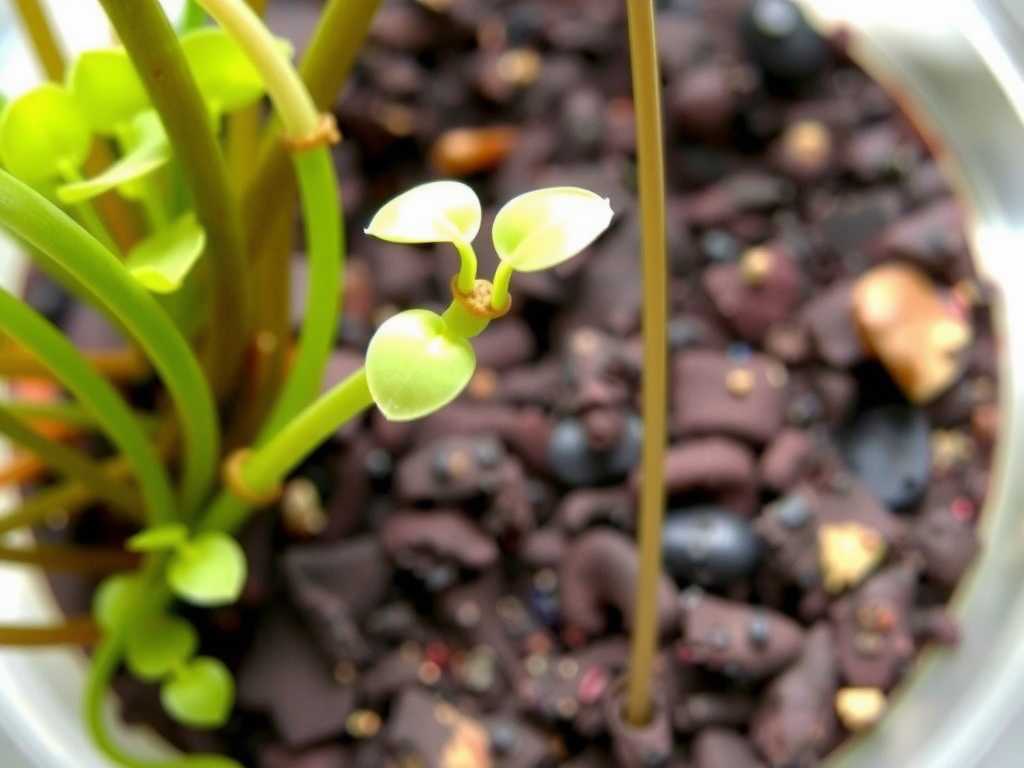
Around Day 7-8, I saw the first signs of hope: tiny, bright green nubs emerging from the stolons at the nodes just behind my cuts. New growth! This meant the plants had redirected energy.
I began to very gradually increase air circulation. I opened the humidity dome for longer periods each day, hardening off the new growth to more normal room conditions. This step is crucial to promote strong regrowth in epiphytic Utricularia. If new growth is coddled in 100% humidity forever, it will be weak and susceptible to future damage.
Light was also incrementally increased. I moved them to a spot with a few hours of gentle morning sun. The new leaves responded by developing a healthier, slightly firmer texture.
By the end of Week 2, the transformation was clear. The ravaged, torn appearance was gone, replaced by a smaller but dense cluster of fresh, healthy foliage. New stolons began to creep across the surface of the medium. The plants were actively growing again, not just surviving.
The Pitfalls I Encountered (And How You Can Avoid Them)
My journey wasn’t flawless. I made errors that cost me time and, sadly, a few small plantlets.
Pitfall 1: Overzealous Watering. In my panic, I thought “more water = more help.” I saturated the media, leading to the onset of algae and a worrying softness at the base of one plant. The fix was to return to the tray method, allowing the plant to drink what it needed, and ensuring the top layer could breathe.
Pitfall 2: Ignoring Airflow. My fear of more wind damage made me create an overly stagnant environment. By Day 5, I noticed a fuzzy grey mold on one decaying leaf I’d missed. I immediately removed it, increased the dome’s ventilation, and sprinkled a tiny amount of ground cinnamon (a natural antifungal) on the affected area of the media. It worked.
Pitfall 3: Impatience with Regrowth. When the first new leaf was barely 2mm long, I thought it was stunted and tried another fertilizer boost. This caused a slight burn tip. I learned that these plants recover on their own schedule. Consistent, gentle care is better than forceful intervention.
Building Resilience: Preventing Future Wind Damage
Recovery is one thing, but prevention is better. Once my plants were robust, I took steps to ensure this wouldn’t happen again.
I relocated them to a bright bathroom window that provides consistent, filtered light and naturally higher humidity from showers. For my main collection shelf, I installed a small, adjustable fan set on its lowest setting, pointed away from the plants but enough to gently stir the air. This provides constant, gentle air movement that actually strengthens stems and roots, making them more resilient than plants kept in still air. It’s the difference between a controlled workout and a sudden hurricane.
I also now use heavier ceramic or composite pots for my larger specimens, as my casualty was in a light plastic pot easily blown over. For mounting, I ensure the wire or thread is secure but not constricting.
Does pruning damaged leaves help bladderwort recovery? Absolutely, but timing is everything. Immediate removal of only fully dead tissue prevents rot. Wait 3-4 days for the plant to reabsorb nutrients from damaged parts, then prune precisely. Incorrect pruning done too early can cause more stress and open pathways for disease.
Can epiphytic bladderworts regrow their bladders after damage? Yes, they can. The bladders (utricles) are modified leaves. As the plant produces new stolons and foliage, it will also form new bladders. This process is energy-intensive, which is why supporting the plant with stable humidity and mild nutrition during recovery is so critical for restoring its full carnivorous function.
What’s the single most important factor for fast recovery? Stable, high humidity. Wind damage is primarily a dehydration injury. By immediately placing the plant in a controlled, humid microenvironment (75-85%), you drastically reduce further water loss, giving the plant the respite it needs to start repairing itself. This one step influences every other aspect of the recovery timeline.
Watching a delicate epiphytic bladderwort recover from severe wind damage is a lesson in resilience. The process demands a shift from panic to patient, observant care. It’s not about a single heroic act, but about providing the consistent, gentle conditions—the stable humidity, the clean environment, the gradual reintroduction to light and air—that allow the plant’s own incredible capacity for regeneration to take over. Those battered plants on my shelf are now fuller and healthier than before, a testament to their will to grow and the effectiveness of a methodical, empathetic recovery plan. With the right approach, yours can be too.

发表评论