 admin
admin How to Grow Epiphytic Bladderwort for Hassle-Free Care
Ever felt that pang of guilt looking at a carnivorous plant slowly decline on your windowsill? You’re not alone. For years, I struggled with the delicate balance of keeping these fascinating predators alive, constantly battling with soggy media, fungal gnats, and the heartbreak of watching a once-vibrant specimen wither. That was until I discovered the epiphytic bladderwort. This remarkable plant promised a different path—one of minimal fuss and maximum fascination. If you’re tired of high-maintenance terrariums and finicky watering schedules, learning how to grow epiphytic bladderwort might just be the revelation you need. My journey from skeptic to successful grower taught me that with the right setup, these plants are not just survivors; they are effortless thrivers.
My initial goal was simple: to cultivate a self-sustaining, pest-controlling display that required almost no intervention from me. I wanted proof that hassle-free carnivorous plant care was possible. Over the next two weeks, I documented every step, every mistake, and every tiny victory. What I found transformed my approach to plant care entirely.
Understanding Your Epiphytic Bladderwort
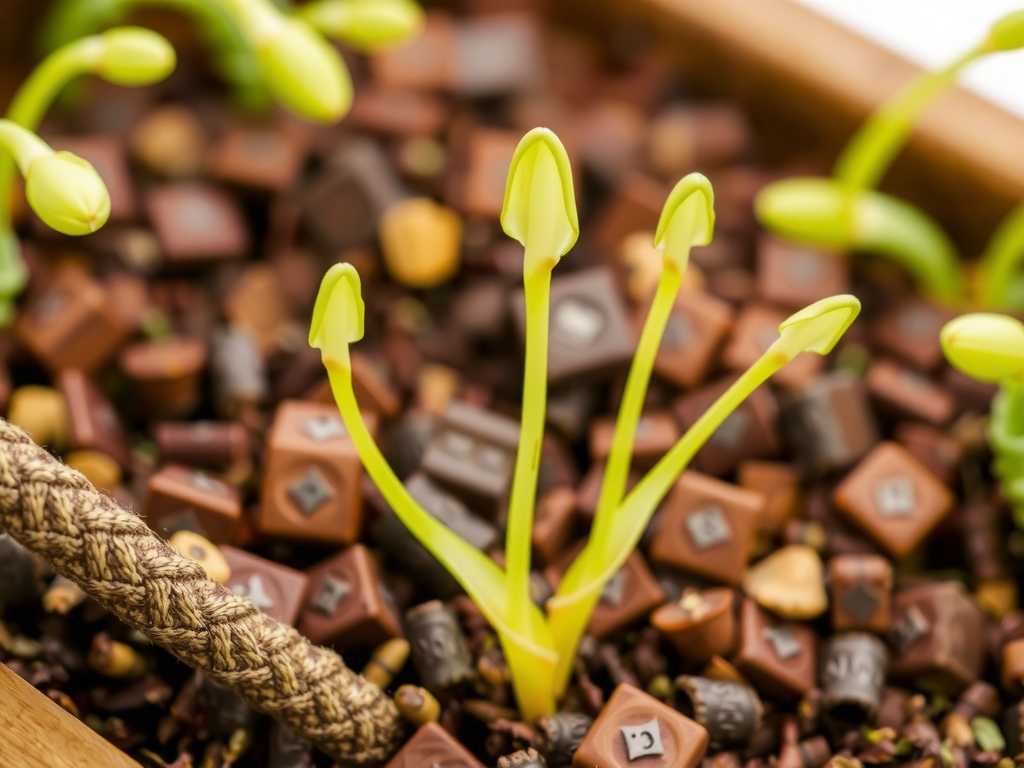
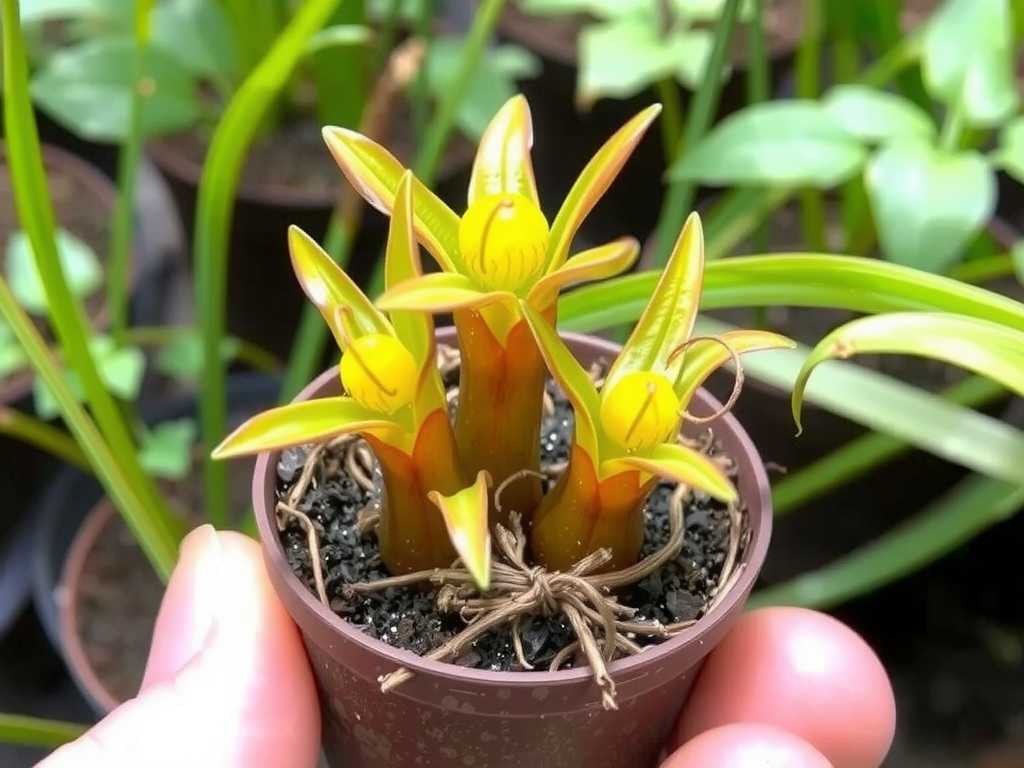
First, let’s demystify the star of our show. Unlike the aquatic or terrestrial bladderworts you might know, epiphytic species like Utricularia alpina, U. quelchii, or the popular U. longifolia grow on trees and rocks in nature. They don’t need soil. Instead, they form beautiful mats of foliage and send up elegant flower spikes. Their secret weapon? Microscopic bladder traps in their root-like stolons that vacuum in soil microbes and fungus gnats. The Royal Horticultural Society (RHS) notes that these epiphytic types are particularly well-suited for controlled indoor environments where their specific needs for humidity and air circulation can be met consistently.
This was my first "aha" moment. I wasn’t dealing with a water plant or a bog plant. I was cultivating an air plant with a voracious appetite. This fundamental shift in understanding is crucial for successful epiphytic Utricularia cultivation.
The Foundation: Choosing the Right Mount and Medium
This is where most beginners, including myself, make their first critical error. Thinking "epiphytic" meant I could just attach it to a piece of bark, I made my first attempt. Two days in, the small plant I’d tied on began to shrivel. The ambient room humidity was a mere 40%, far too low.
The solution? A semi-enclosed setup that created a microclimate. Here’s what worked brilliantly after my initial failure:
My Successful Mounting Method: I took a slab of cork bark or tree fern fiber (not cedar or pine, which can contain harmful resins). I then created a thin, moist pad of long-fiber sphagnum moss. I gently nestled the bladderwort’s stolons and growth points into this moss pad and used fine fishing line or nylon thread to secure the entire package to the mount. The key is to make the moss layer thin—just enough to hold moisture and give the stolons an anchor point, but not so thick it stays soggy and rots.
This setup mimics the plant’s natural habitat: a well-aerated surface with constant, slight moisture at the roots.
The Perfect Home: Container and Environment Setup
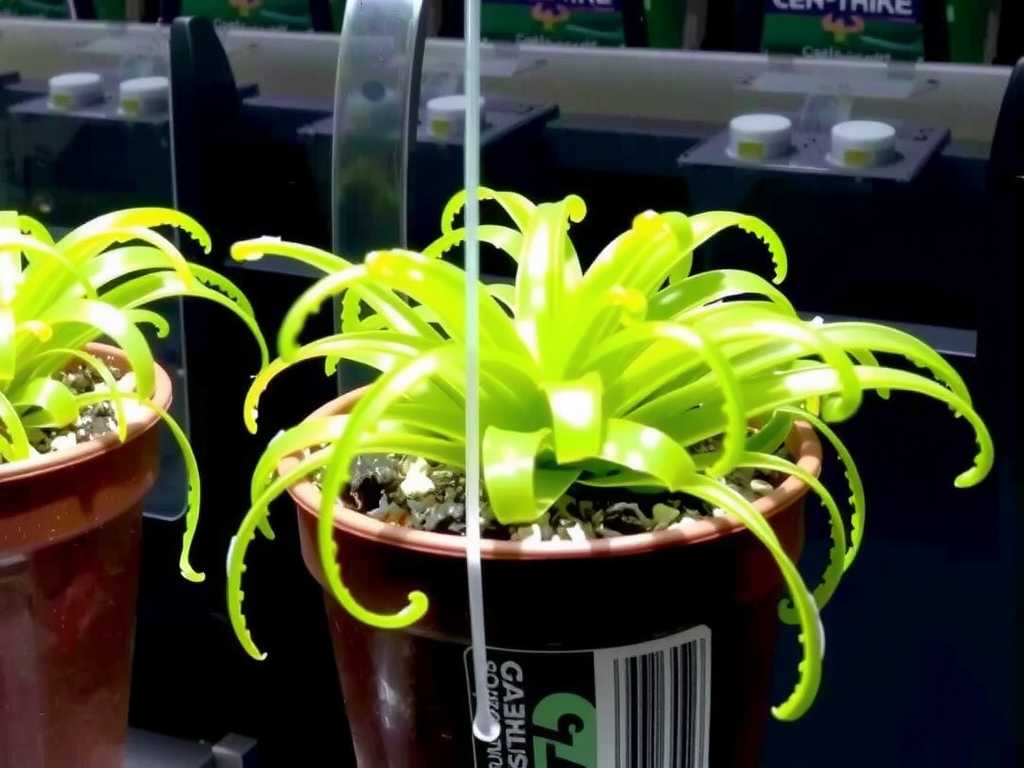
You cannot simply place your mounted bladderwort on a shelf. It needs a home that manages humidity and light. I use a simple, clear plastic or glass container—a large cloche, a terrarium, or even a repurposed aquarium with a lid.
Lighting is Non-Negotiable: These plants need bright, indirect light. I placed my container under a standard LED grow light for 12-14 hours a day. Direct, hot sun through glass will cook them. According to the American Horticultural Society’s (AHA) guidelines on indoor plant lighting, high light intensity without excessive heat is ideal for stimulating both growth and flowering in specialized plants like these. My light was positioned about 12 inches above the container.
Humidity and Airflow: The Delicate Balance My second major pitfall was creating a stagnant, fungal paradise. After sealing the container completely, I noticed white mold starting on the sphagnum moss within the first week. Panic set in.
The fix was simple but vital: controlled ventilation. I now keep the lid of my container slightly ajar, or I use a container with small ventilation holes. This allows for constant gas exchange and prevents air stagnation while maintaining humidity around 70-80%. A small USB computer fan running for 15 minutes twice a day can work wonders for larger setups, a trick often recommended by advanced growers for promoting robust growth and preventing disease.
Watering and Feeding: The Hands-Off Approach
Here’s the beauty of growing epiphytic bladderwort for easy care: they largely feed and water themselves in a proper setup.
Watering: I use only distilled water, rainwater, or reverse osmosis water. Tap water minerals will kill them. My method is to lightly mist the entire mount and the inside of the container every other day, just enough to see a fine dew on the surface. The moss should feel damp but never dripping wet. Once a week, I take the entire mount out and briefly dunk it in a bowl of pure water, then let the excess drain completely before returning it. This prevents salt buildup.
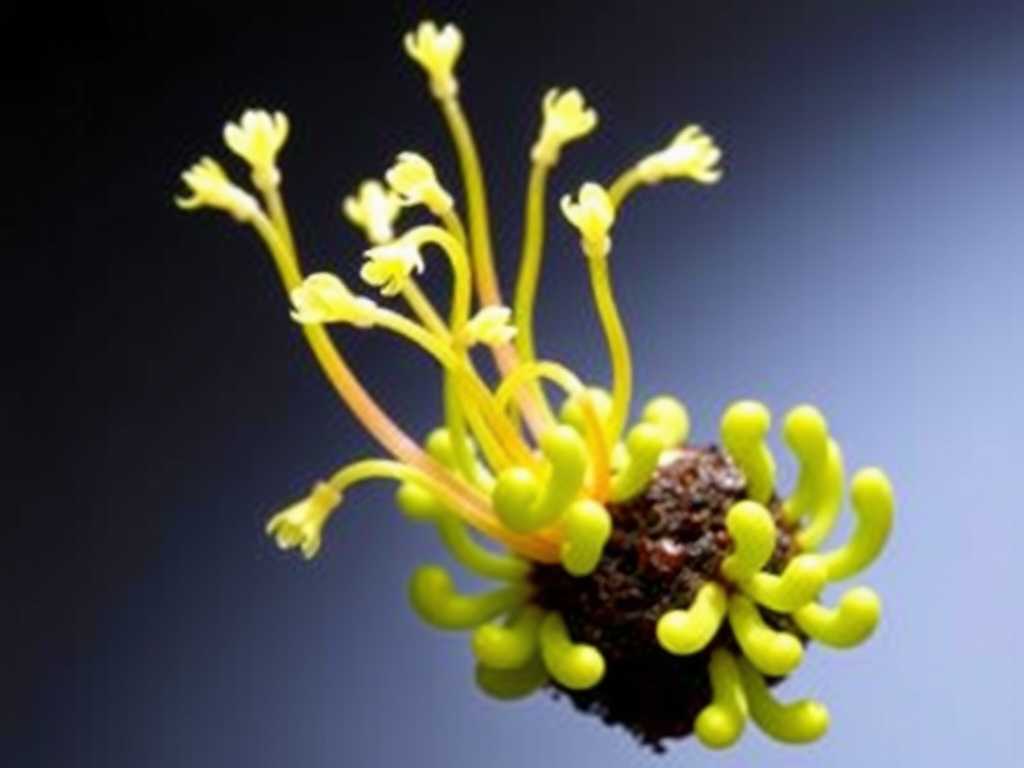
Feeding (It’s Automatic!): You don’t "feed" them in a traditional sense. If your environment is right, springtails and soil microbes will naturally colonize the moist sphagnum. The bladderwort’s incredible traps will catch them. My proof? Under a macro lens after two weeks, I could see tiny particles inside the bladders on the stolons. The plant was actively hunting! If you’re growing it in a sealed terrarium, introducing a small culture of springtails is a great way to kickstart the ecosystem.
My Two-Week Observation Log: From Setup to Success
- Day 1-3: Plant mounted, container closed. Humidity spikes. Plant looks stable.
- Day 4-5: First mistake evident. White fuzz (mold) appears on moss due to stagnation. I open the lid slightly and increase air circulation.
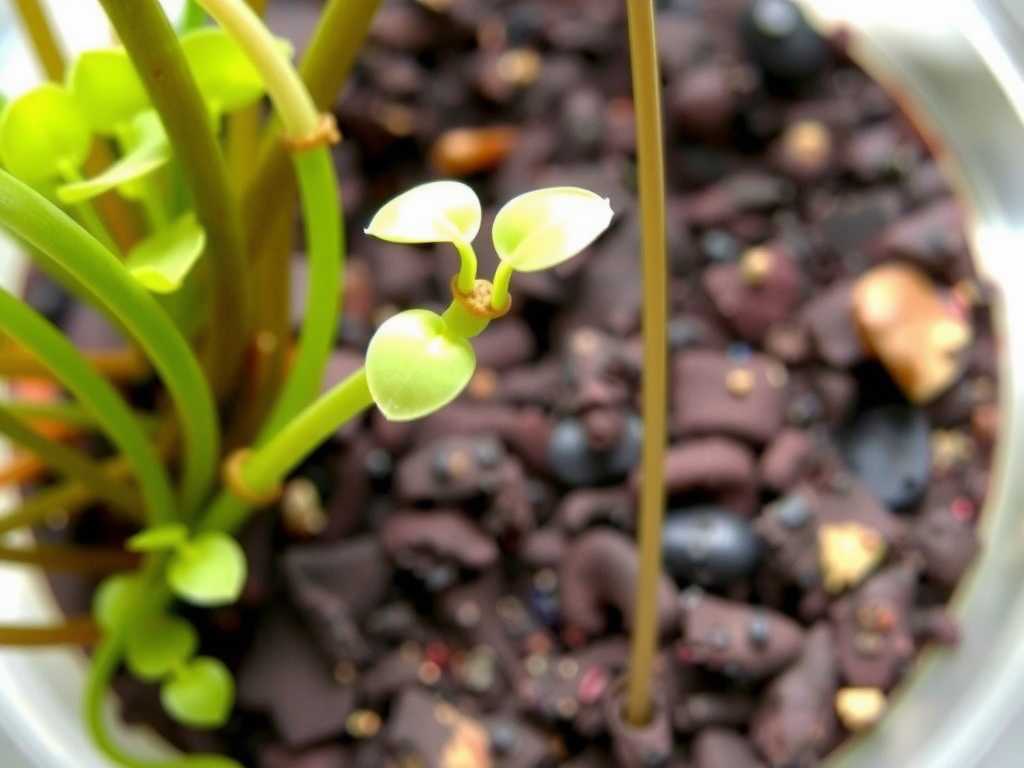
- Day 6-8: Mold recedes. New, tiny green growth points are visible at the ends of the stolons! This was the first sign of success.
- Day 9-12: Growth is noticeable. The stolons have visibly lengthened and begun to weave through the moss pad. No more signs of stress or shriveling.
- Day 13-14: The plant mat has clearly established itself. It looks lush and healthy. I observe the first tiny flower bud forming on a Utricularia longifolia specimen. The low-maintenance bladderwort setup was undeniably working.
Troubleshooting Common Problems
Even with a hassle-free plant, things can go slightly off track. Here’s what I encountered and how I fixed it:
- Algae on the Moss: This happens with too much light or nutrients in the water. I scraped off the affected moss gently and reduced the photoperiod by one hour. I also ensured my dunking water was absolutely pure.
- Stunted Growth or No Flowers: Usually a light issue. I moved my grow light 3 inches closer, and within days, growth accelerated. The AHA emphasizes that flowering in many carnivorous plants is directly linked to both light intensity and duration.
- Pests (like aphids): Ironically, a carnivorous plant can get them. I manually removed a few with tweezers. A severe infestation can be treated with a careful q-tip application of diluted insecticidal soap, but I’ve never needed it since the ecosystem balanced.
How often do I need to water my mounted epiphytic bladderwort? The frequency depends entirely on your container’s humidity. The rule of thumb is to mist or dunk when the sphagnum moss on the mount feels just barely damp to the touch, not dry and not soggy. In my stable setup, this means a light mist every two days and a weekly dunk.
Can I grow different types of epiphytic bladderworts together? Absolutely, and it’s highly recommended for a stunning display. Species with similar light and moisture requirements, like U. alpina, U. quelchii, and U. longifolia, can be mounted on the same piece of bark or in the same container, creating a tapestry of different leaf shapes and flower colors.
Why are the tiny bladder traps never visible? The traps are subterranean or within the moss mat, microscopic, and designed to catch organisms even smaller than fungus gnats. You typically won’t see them without magnification. Their presence is confirmed by the plant’s healthy growth, not by visible traps. Trust the process.
The journey to a thriving epiphytic bladderwort collection is less about constant doing and more about intelligent setup. By mimicking their natural epiphytic habitat—providing bright light, pure water, high humidity with airflow, and a simple mount—you unlock a world of self-sufficient beauty. These plants ask for so little but offer endless fascination with their intricate flowers and hidden predatory lives. My two-week experiment proved that the dream of a truly low-maintenance carnivorous plant is not only possible but incredibly rewarding. Start with the right foundation, step back, and let this remarkable plant do what it does best.
发表评论