 admin
admin How to Fix Aquatic Bladderwort Not Producing Traps Issues: A Plant Lover's 2-Week Rescue Log
I’ve been there. You bring home a fascinating Aquatic Bladderwort, expecting to see its ingenious, tiny traps at work, only to be met with a healthy-looking plant that stubbornly refuses to produce them. It’s frustrating. The whole point of owning a carnivorous wonder like Utricularia is to witness its unique feeding mechanism. If your bladderwort isn’t forming traps, it’s telling you that something fundamental in its environment is off. After facing this exact problem with my own Utricularia gibba and U. australis, I embarked on a focused two-week mission to diagnose and solve the Aquatic Bladderwort not producing traps issue. This is my hands-on, step-by-step account of what worked, what didn’t, and how I finally saw those coveted little bladders appear.
My journey wasn't just about guessing; it was guided by principles from expert organizations like the Royal Horticultural Society (RHS) and the American Horticultural Society (AHS), which stress that carnivorous plants are superb bio-indicators—their health directly reflects their growing conditions.
Understanding the "Why" Before the "How"
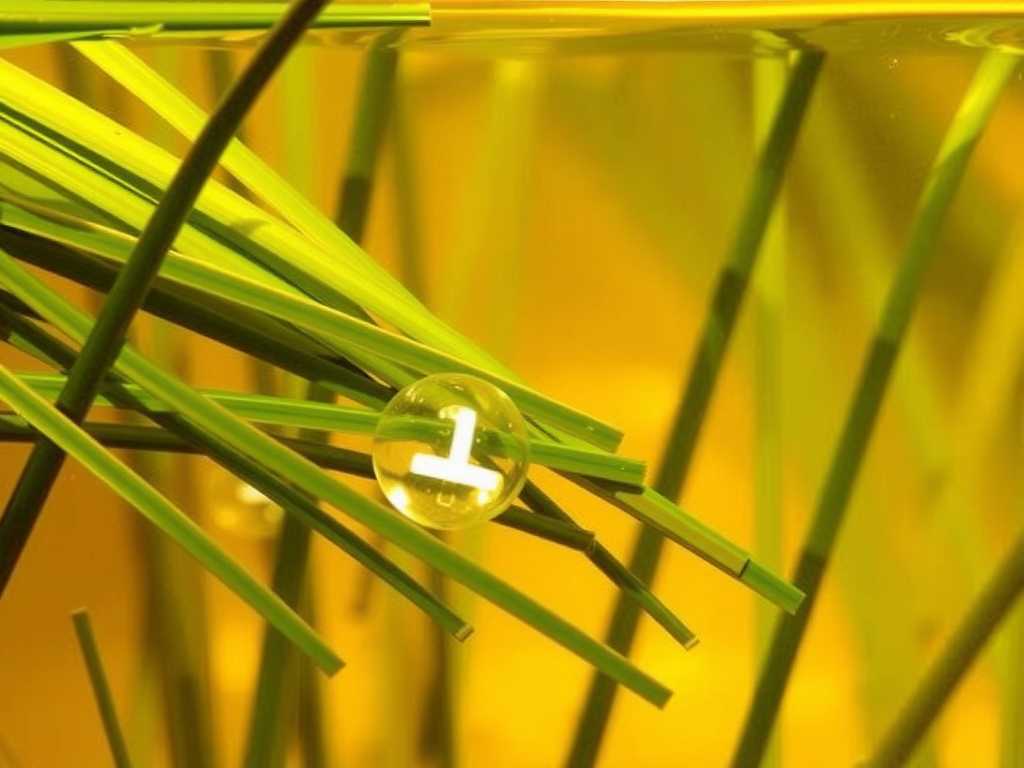
Before you can fix a problem, you need to understand it. Aquatic bladderwort traps are not just for show; they are essential nutrient-harvesting organs. In nutrient-poor waters, the plant invests energy in creating these sophisticated vacuum traps to catch microorganisms like protozoa and rotifers. If traps aren’t forming, the plant either lacks the energy to build them or doesn’t perceive the need to. The main culprits usually boil down to four key areas: light, nutrients (or the deliberate lack thereof), water chemistry, and the presence of prey.
My 2-Week Diagnostic and Correction Protocol
I decided to tackle my trap-less bladderwort colonies systematically, adjusting one variable at a time and observing closely. I maintained a daily log, which was crucial for spotting subtle changes.
Week 1: The Foundation - Light and Water
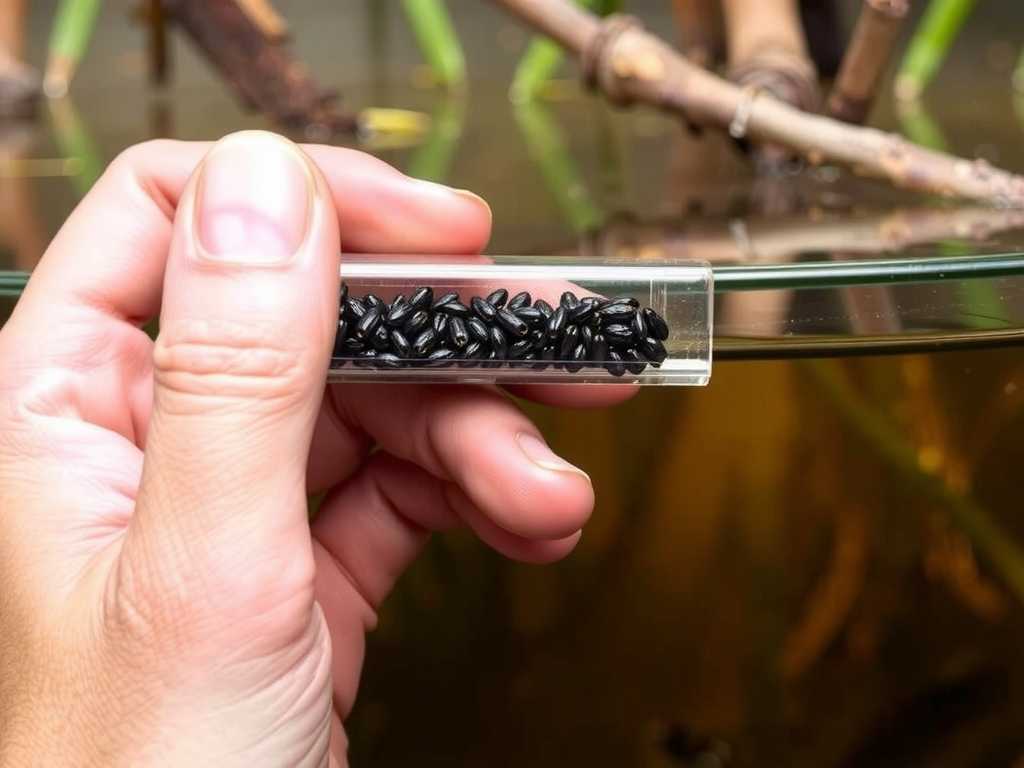
The RHS explicitly notes that most carnivorous plants require "full sun" to thrive and develop their specialized features. My setup was good, or so I thought. The plants were under a grow light for 10 hours a day.
- Step 1: The Light Audit. I used a simple light meter app (as a rough guide) and discovered that while the intensity was adequate for growth, it was suboptimal for triggering prolific trap production. I made my first intervention: I moved the primary Utricularia gibba container to a south-facing windowsill receiving direct sunlight for 6+ hours and supplemented with the grow light for an additional 4 hours in the evening. For the tank with U. australis, I upgraded to a stronger, full-spectrum LED panel, increasing the photoperiod to 12 hours.
- Step 2: Water Purity Check. This is non-negotiable. Aquatic Bladderwort is exceptionally sensitive to dissolved minerals and nutrients. I was using distilled water, but I realized the ceramic pot I had one colony in might be leaching minerals. AHS resources consistently warn against using standard potting soils or mineral-rich containers for carnivores. I transferred all colonies into clean, inert glass or food-grade plastic containers.
- The First Week's Observations: By day 7, I noticed a slight change. The plants seemed greener, and growth appeared more vigorous, but still no new traps. I did, however, spot my first "pitfall": algae. The increased light had sparked a minor algae bloom, competing with the bladderwort. I manually removed it and added a few more floating plants (like Salvinia) to slightly shade the water and outcompete the algae for excess nutrients—a trick I learned from experienced hobbyists.
Week 2: Triggering the Trap-Making Instinct
With light and water optimized, week two focused on convincing the plant it needed to hunt.
- Step 3: Introducing a "Starvation" Signal. This sounds harsh, but it's key. These plants evolved in nutrient-deficient environments. If there are excessive nutrients in the water (from tap water or decay), the plant has no incentive to expend energy on traps. I performed a 50% water change with fresh distilled water to further dilute any potential nutrients. I also removed any faintly yellowing or decaying plant matter immediately to prevent it from breaking down.
- Step 4: Seeding the Water with Prey. No bladderwort trap formation will occur if there's nothing to catch. I needed to simulate a natural, microbe-rich environment. I took a cup of water from an established, healthy aquarium (with no fish medication) and gently poured it into the bladderwort containers. This "inoculant" was teeming with infusoria and other microscopic life. Furthermore, I added a single, tiny pinch of powdered Daphnia eggs to hatch in the water, providing future prey.
- Step 5: Patience and Microscopic Inspection. For days, I saw nothing. I resisted the urge to make more changes. Then, on day 12, I inspected the Utricularia gibba under a magnifying glass. There they were—tiny, nascent, pearl-like bumps along the stems. By day 14, these had developed into distinct, translucent bladders. Success! The U. australis in the tank followed suit a few days later.
Crucial Factors You Must Get Right
My experiment highlighted three non-negotiable factors for fixing bladderwort trap problems:
- Nuclear-Grade Water Purity: Use only distilled, reverse osmosis (RO), or rainwater. Tap water, even filtered, often contains minerals that will inhibit trap development and can slowly poison the plant.
- High-Intensity Light as the Catalyst: Think of light as the fuel for the trap-building factory. Without ample light (direct sun or powerful artificial light), the factory shuts down. It's the primary driver of photosynthesis that provides energy for creating these complex structures.
- The Prey-Presence Feedback Loop: The plant needs a biological signal. A water environment that is too sterile gives the plant no cue to produce traps. A healthy level of microorganisms completes the equation.
Common Hurdles and How I Overcame Them
- Algae Invasion: As mentioned, more light can mean more algae. I combat this by ensuring my containers have no excess nutrients (from poor water or decaying matter), using floating plants for competition, and manual removal. Introducing a few small pond snails (Physella sp.) can help, but monitor closely.
- Slow Growth or Melt: If your plant seems to be receding after changes, check for water temperature shocks or contamination. I once accidentally used a container washed with soap, which caused a meltdown. Now, I rinse all equipment thoroughly with distilled water.
- "It's Growing, But Still No Traps!": This was my exact problem. The breakthrough came from combining all factors—maximizing light, ensuring water purity, and adding prey. One alone wasn't enough.
Frequently Asked Questions
Can I use fertilizer to help my bladderwort grow traps? Absolutely not. This is the most common mistake. Fertilizers, even in minute amounts, will provide the plant with nutrients through its leaves/stems, removing any need to invest energy in traps. It can also rapidly lead to algal overgrowth and burn the plant. The Royal Horticultural Society advises against fertilizing carnivorous plants in their aquatic or soil mediums.
How long does it take to see new traps after correcting conditions? From my experience, once all conditions are optimal, you may see the initial bumps of new traps within 7-10 days. They will fully develop and become functional within 2-3 weeks. Patience is critical, as the plant needs to redirect its energy.
My bladderwort has traps, but they seem empty. Are they working? They likely are. The traps are microscopic and capture organisms invisible to the naked eye. A healthy plant with traps will have a mix of full and empty ones. You can sometimes see captured prey under a strong magnifying glass. If all traps consistently appear shrunken or damaged, re-check your water purity.
Watching those first tiny traps form on my previously barren Aquatic Bladderwort was immensely rewarding. The process taught me that these plants aren't just decorative; they are precise instruments responding to their environment. The solution to bladderwort not producing traps isn't a single magic bullet but a holistic approach: brilliant light, impeccably pure water, and the subtle cue of microscopic life. By methodically adjusting these elements and observing patiently over a two-week period, you can transform a stagnant plant into a thriving, hunting marvel. It’s a perfect lesson in listening to what your plants are telling you.

发表评论