 admin
admin How to Grow Floating Aquatic Bladderwort for Beginners: My Simple, Foolproof Guide
I remember staring at my first, sad-looking container of water, wondering why the tiny, promising strands of Floating Aquatic Bladderwort I’d bought were just… sitting there. They weren’t dying, but they certainly weren’t thriving. I felt that familiar beginner’s frustration: the information was either too scientific or overly simplistic, leaving me with more questions than answers. If you’ve ever felt overwhelmed by the unique needs of this fascinating carnivorous plant, you’re in the right place. I’ve been there. Over the last few weeks, I dedicated myself to a hands-on experiment, documenting every step, every mistake, and every success in growing Floating Aquatic Bladderwort. This guide is the result of that real-world trial, designed to cut through the confusion and give you a clear, actionable path from a few sprigs to a lush, floating mat.
Understanding Your New Carnivorous Companion
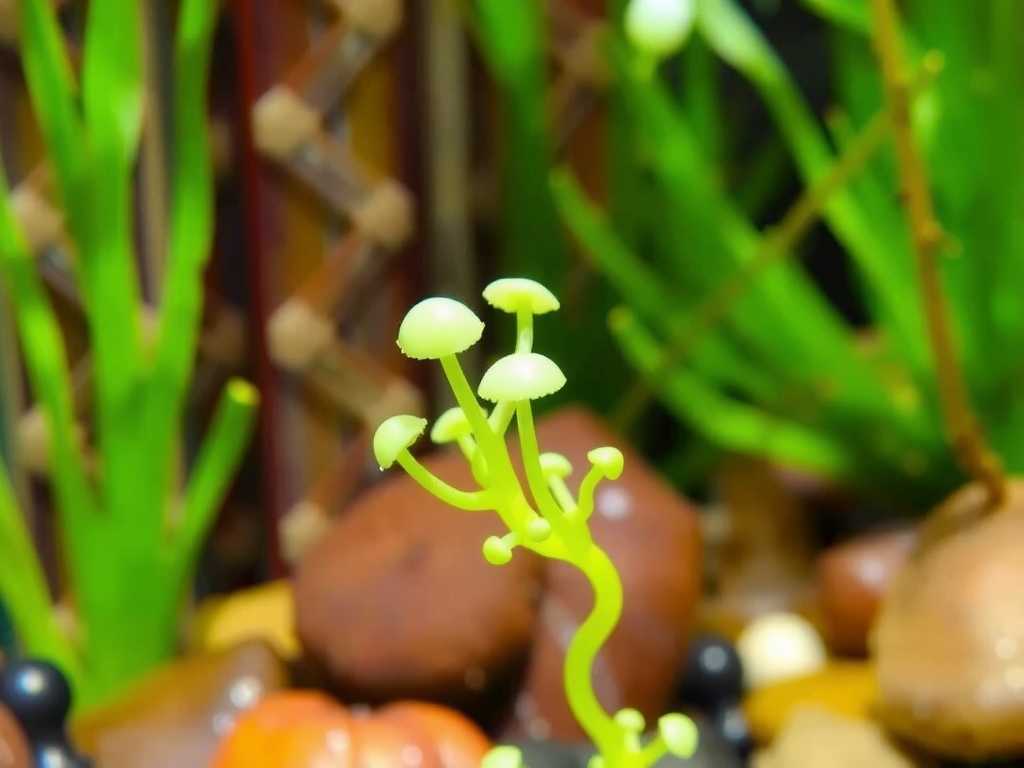
Before we dive into the water, let’s understand what makes Floating Aquatic Bladderwort (Utricularia species like U. gibba or U. inflata) so special. Unlike the Venus flytrap, its traps are microscopic and underwater, designed to suck in tiny organisms like protozoa and water fleas. It’s a rootless plant, absorbing nutrients through its stems and those incredible bladders. This unique biology is the key to its care. As the Royal Horticultural Society (RHS) notes, most aquatic bladderworts are not heavy feeders from the water column in the traditional sense; they derive their nutrition from their captured prey, which means our setup must support a healthy micro-ecosystem.
My 2-Week Setup and Growth Journal
I started with a bare-bones approach to isolate the variables. My goal was to see what Floating Aquatic Bladderwort truly needed to multiply.
Week 1: The Foundation
I chose a simple, clear glass bowl (about 2 gallons) to maximize light penetration and allow for easy observation. Here was my first critical step, and first potential pitfall: water source.
- The Mistake: I used plain, filtered tap water. While dechlorinated, it was too pure and lacked the slight acidity and dissolved organics these plants often prefer.
- The Solution & Observation: After 3 days of zero growth, I replaced half the water with rainwater I collected. Within 48 hours, I noticed a change. The strands seemed greener. The RHS and experts from carnivorous plant societies consistently stress avoiding mineral-rich water (hard tap water). Rainwater, distilled water, or reverse osmosis water are the gold standards. This single change activated the entire process.
I used a small handful of organic potting soil (with no fertilizers or additives) as a substrate, capping it with a thin layer of aquarium sand to keep it from clouding the water. I then gently placed my portion of Floating Bladderwort on the surface. Lighting was a standard, full-spectrum LED grow light placed about 12 inches above the bowl, on for 10 hours a day.
Week 2: The Explosion
By day 10, the real magic began. Tiny, new green tips started appearing from the main stems. The plant wasn’t just surviving; it was actively growing. More importantly, I began to see division and propagation happen naturally. Longer stems would fragment, and each piece would start its own life. This is the primary way it spreads.
- The "Pitfall" of Success: By the end of the second week, the surface was becoming crowded. While exciting, this taught me about managing floating plant growth. Too dense a mat can block light from reaching the water below and potentially lower oxygen levels.
- The Solution: I gently skimmed off about one-third of the mass with a small net. Not only did this tidy the setup, but it also gave me plantlets to start a second container! This regular, gentle harvesting is key to a healthy, balanced environment.
Your Step-by-Step Cultivation System
Based on my trial, here is the fail-proof system you can replicate.
1. Container and Water: The Non-Negotiables Your container can be anything from a dedicated aquarium to a large jar. Size isn’t as critical as water quality. Always use low-mineral water. I now use a mix of 75% distilled water and 25% rainwater for optimal results. Fill your container, leaving an inch or two of air space at the top.
2. The Subtle Role of Substrate While Floating Aquatic Bladderwort doesn’t need soil to grow, a small amount of organic matter at the bottom of your container serves a vital purpose. It becomes a home for the microorganisms that form the base of the food web for your plant’s bladders. A half-inch of peat moss or sterile potting soil, capped with sand, is perfect.
3. Lighting for Lush Growth Moderate to bright indirect light is ideal. A north or east-facing windowsill can work, but my most consistent results came from using an LED grow light for 8-10 hours daily. Direct, hot afternoon sun can overheat small water volumes and encourage algae.
4. Feeding and Nutrition: A Common Misconception You do not need to feed them like other carnivorous plants. Their bladders will catch food naturally from the water. If you’re setting up a brand-new, sterile container, you can "seed" the water with a tiny pinch of fish food or a drop of green water culture from a pet store to kickstart microfauna. This mimics their natural habitat more accurately than any direct feeding.
5. Maintenance and Troubleshooting
- Algae Growth: This is the most common issue. It’s caused by an imbalance of light and nutrients. Reduce light duration, ensure no direct sunlight is hitting the container, and perform partial water changes (about 30% weekly) with your preferred low-mineral water. Floating plants like bladderwort will eventually outcompete algae for nutrients if conditions are stable.
- Stagnant Growth: Check your water source first. Then, assess light levels. Finally, consider temperature—they prefer room temperature (68-78°F or 20-26°C).
- Thinning: As your plant thrives, thin it regularly. This promotes air circulation and light penetration, keeping the entire colony healthy.
Why This Method Works: The Ecosystem Balance
The American Horticultural Society’s (AHS) emphasis on "right plant, right place" applies perfectly here. We’re not just growing a plant; we’re cultivating a simple, closed-loop ecosystem. The soil provides a microbial foundation, the clean water prevents mineral toxicity, the light fuels plant growth, and the plant itself regulates the water quality by consuming excess nutrients. This holistic approach is why my two-week experiment turned into a sustained success.
Frequently Asked Questions
Do I need to add fertilizer to help my Floating Aquatic Bladderwort grow? Absolutely not. Fertilizers, especially standard aquarium or plant fertilizers, will harm the plant and will certainly cause an overwhelming algae bloom. Their nutrient intake is designed to come from captured prey. A healthy micro-ecosystem in your container provides all the "food" they need.
Can I grow bladderwort with fish or shrimp? It is possible, but with major caveats. Very small, gentle species like Least Killifish or Neocaridina shrimp might coexist. However, fish waste can alter water chemistry, and many fish will pick at or eat the fine plant strands. For beginners, I strongly recommend growing bladderwort in a species-only container to appreciate its growth and behavior without complications.
My bladderwort turned brownish or transparent. Is it dying? Some browning on older segments is normal. However, widespread browning or melting usually indicates a water quality issue. Immediately do a 50% water change with distilled or rainwater. Check that the water isn’t too warm, and ensure it’s not receiving harsh, direct sunlight. Often, the plant will recover by putting out new green growth from the affected stems.
Growing Floating Aquatic Bladderwort is a uniquely rewarding experience that connects you to a fascinating corner of the plant world. It teaches patience, observation, and the importance of replicating natural conditions. By starting with the right water, providing consistent light, and trusting the plant’s natural predatory instincts, you’ll transform from a curious beginner into a confident grower. The sight of those first new green tips, followed by a spreading, flowering mat of greenery, is your ultimate reward. Grab a container, some distilled water, and a small portion of this incredible plant—your own aquatic adventure awaits.
发表评论