 admin
admin How to Water Terrestrial Bladderwort to Avoid Root Rot: A Grower's 2-Week Trial
I’ve killed my fair share of plants by being too helpful with the watering can. But nothing stung quite like seeing my first terrestrial bladderwort, a Utricularia I’d sought for months, succumb to the dreaded, musky smell of root rot. It’s a heartbreak many carnivorous plant enthusiasts know all too well. These fascinating, rootless predators don’t follow the rules of your average houseplant, and their watering needs are the most common pitfall. After that loss, I was determined to crack the code. This guide isn’t just theory; it’s the documented result of my own 2-week experiment to find the perfect watering rhythm for terrestrial bladderwort, specifically to prevent root rot. I’ll walk you through my exact steps, the mistakes I made along the way, and the clear signs of success I observed.
Understanding the "Why" Before the "How"
You cannot water a terrestrial bladderwort correctly without understanding its unique physiology. Unlike most plants, terrestrial Utricularia species have virtually no true roots. They possess delicate, creeping stolons that thread through the growing medium, and their famous "bladders" are underground or at the soil surface. These bladders are sophisticated traps for microscopic soil organisms. This rootless system is supremely adapted to absorb moisture and nutrients directly from a consistently damp—but never waterlogged—environment. Soggy conditions are a death sentence. They create an anaerobic (oxygen-poor) environment where harmful fungi and bacteria thrive, quickly attacking the plant’s tender tissues. As the Royal Horticultural Society (RHS) advises for similar moisture-sensitive plants, "The aim is to keep the compost moist but not saturated, allowing the surface to dry slightly between waterings." This principle is gospel for bladderworts.
My Setup and the Golden Rule
For my experiment, I chose a Utricularia livida, a popular terrestrial species, planted in a shallow, 4-inch plastic pot with ample drainage holes. The medium was a classic 50/50 mix of peat moss and perlite, which is airy and moisture-retentive without becoming compacted. I placed it on a bright windowsill with indirect light (east-facing). My golden rule, informed by experts from societies like the Australasian Carnivorous Plant Society, became: Water from the bottom, and let the medium’s surface be your guide.
The 2-Week Watering Protocol I Followed
Week 1: Establishing the Baseline My goal was to maintain what carnivorous plant growers often call "moist like a wrung-out sponge." I started by placing the pot in a shallow saucer.
- Day 1-3: I poured distilled water (never tap water, due to minerals) into the saucer, filling it to about a quarter-inch depth. Within 30 minutes, the medium’s surface darkened as moisture wicked upward. Once the surface looked evenly moist, I immediately poured out any remaining water from the saucer. I never let the pot sit in standing water for more than an hour.
- Day 4: Here was my first "mini-pit." The surface looked slightly pale. In a moment of over-eagerness, I top-watered it lightly. This compacted the delicate surface layer of sphagnum moss I had as a top dressing. Lesson learned: stick to bottom-watering to protect the plant’s structure.
- Day 5-7: I returned to disciplined bottom-watering. I began testing the medium’s moisture not just by sight, but by gently touching the surface. If it felt cool and slightly damp, I waited. If it felt just barely dry to the touch, I added water to the saucer. This usually meant watering every other day under my conditions.
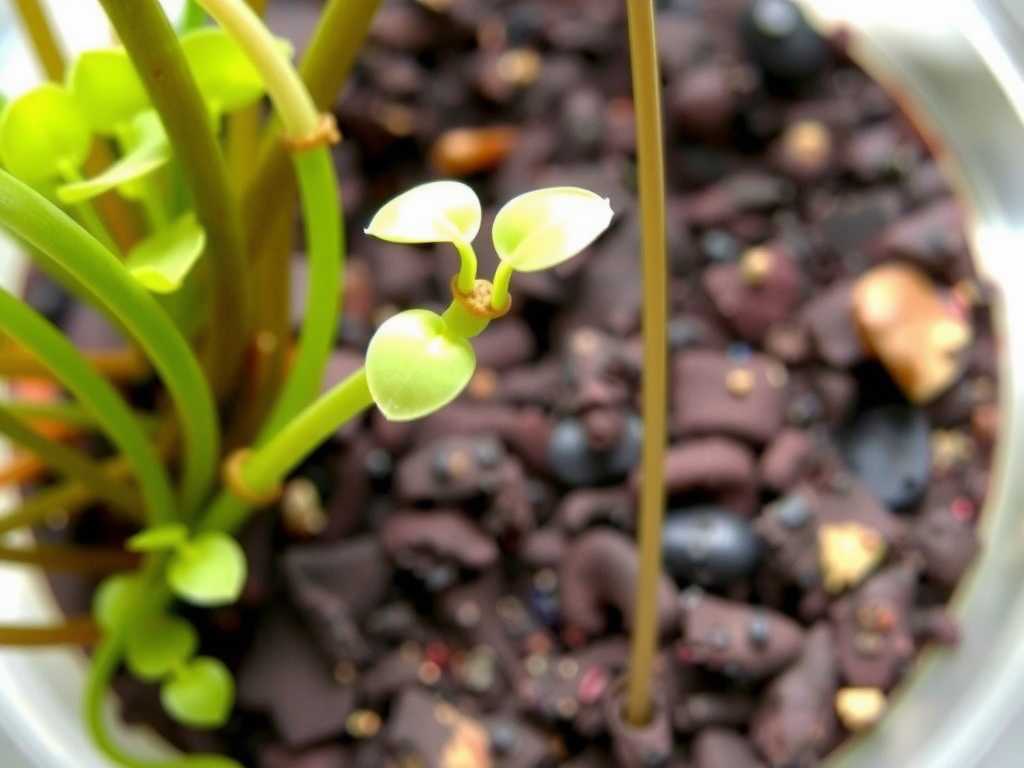
Observing Early Signs of Health By the end of Week 1, the U. livida was responding. Tiny new stolons, like bright green threads, were beginning to explore across the surface of the peat. The existing foliage looked turgid and healthy, with no signs of yellowing or mushiness. The avoidance of constant wetness was clearly working.
Week 2: Refining the Rhythm In the second week, I focused on consistency and observing the plant’s water uptake.
- Day 8-10: The weather turned warmer and sunnier. I noticed the medium’s surface drying faster. Instead of increasing the frequency of watering, I slightly increased the amount I put in the saucer, allowing the medium to draw up more. The key was still the same: empty the saucer after the surface became moist.
- Day 11: I conducted a simple "pot lift" test. After watering, I noted how heavy the pot felt. Two days later, when it felt significantly lighter, I knew it was time to water again. This is a fantastic, non-invasive way to gauge moisture levels at the root zone.
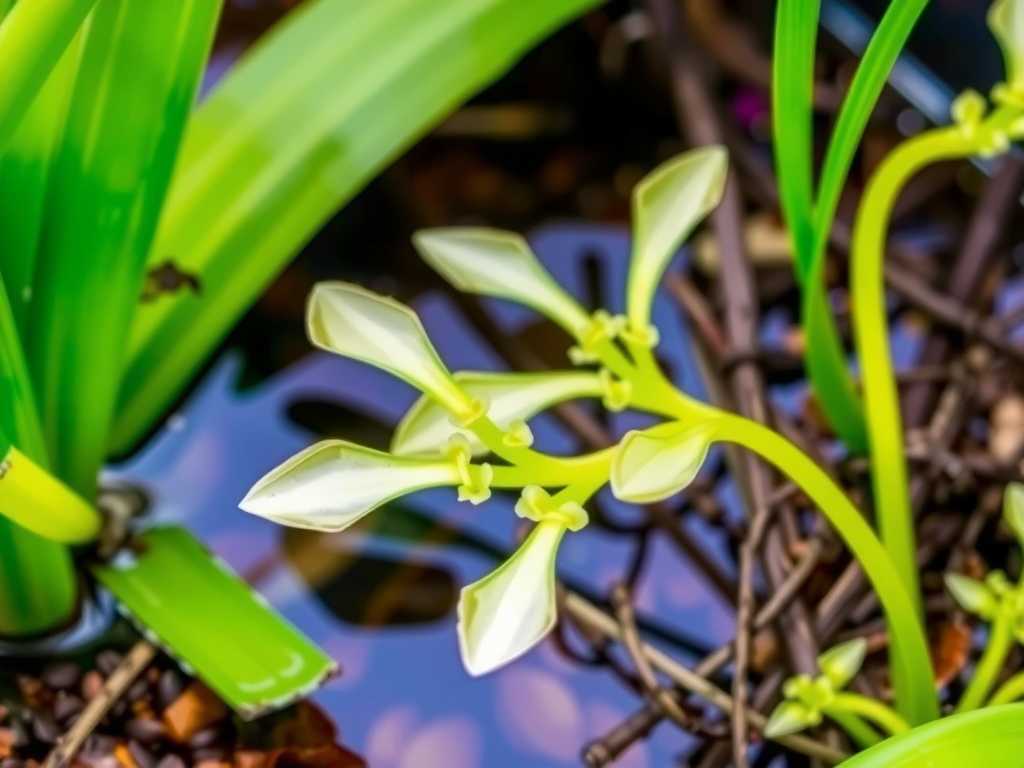
- Day 12-14: A stable pattern emerged. Under my specific conditions (humidity around 50%, steady indirect light), the plant needed a bottom-watering session every 48 to 60 hours, with no standing water left afterward. The growth was undeniable. Not only had the stolons spread, but several small, orchid-like flower spikes began to emerge—a sure sign of a happy, unstressed plant.
The Critical Role of Pot and Medium My choice of pot and medium was not accidental. A shallow pot reduces the volume of soggy medium that can linger below. The peat/perlite mix is crucial. Pure peat can become a dense, waterlogged brick. Perlite introduces essential air pockets, creating the oxygen-rich environment the stolons need. As one expert grower on the Carnivorous Plant Hub forum stated, "For terrestrial bladderworts, the medium must hold water yet drain almost completely. It’s a balance that prevents the conditions for root rot."
Troubleshooting: Signs You're on the Wrong Path
- Yellowing, Limp Leaves: This is often the first cry for help, signaling suffocation and the onset of rot.
- A Musty or Sour Smell: If you catch a whiff of this when watering, it’s a major red flag for anaerobic decay.
- Constantly Sopping Wet Surface: If the surface never loses that dark, saturated look, you are overwatering. Stop. Let it dry to a slightly damp feel before watering again.
- Blackening Stolons: Gently brush aside the top dressing. If you see blackened, mushy threads instead of white or green ones, rot has set in.
If you see these signs, act fast. Stop watering immediately. Improve air circulation around the plant. In severe cases, you may need to carefully take the plant up, remove all affected material, and repot into fresh, well-draining medium.
FAQ
Can I use a tray method and keep water in it constantly for my bladderwort? For most terrestrial bladderworts, a constant shallow tray of water is too risky and often leads to rot. The classic "tray method" used for Venus flytraps or Sarracenia is generally too wet. The brief bottom-watering technique I used is far safer, mimicking the natural cycle of dampness followed by slight aeration.
What type of water should I absolutely avoid? Never use standard tap water or mineral water. The dissolved salts and minerals will quickly build up in the medium, burning the delicate stolons and weakening the plant, making it prone to rot. Use only distilled water, reverse osmosis (RO) water, or rainwater.
My home has very low humidity. How does this change my watering? Low humidity will cause the surface to dry faster, potentially tricking you into watering more frequently. Resist this. Still rely on the touch test and pot weight. You might water a bit more when you do water, but the frequency should not increase drastically. Consider placing the pot on a larger tray filled with pebbles and water (with the pot sitting above the water line) to boost local humidity without wetting the medium.
Success with terrestrial bladderworts is a lesson in restraint. It’s about providing consistent, gentle moisture without love-induced drowning. By observing your plant and its medium closely, watering from below, and always prioritizing aeration, you’ll create an environment where those fascinating bladders can thrive, free from the silent threat of rot. The sight of those delicate flowers is worth every bit of the careful attention.

发表评论