 admin
admin How to Care for Epiphytic Bladderwort in Shaded Areas: A Grower’s Log
I used to think all carnivorous plants were sun worshippers. So, when I first brought home my epiphytic bladderwort (Utricularia), a delicate, vine-like specimen with tiny, intricate flowers and hidden “bladders” for trapping prey, I placed it in a bright, sunny spot. It struggled. The leaves looked stressed, and growth stalled. That’s when I learned a crucial fact: many epiphytic bladderworts, especially those from tropical forest understories, are shade-adapted specialists. Their care isn’t about maximum light; it’s about replicating the cool, humid, and softly lit microclimate of a tree branch in a shaded rainforest. If you’re trying to keep one of these fascinating, low-light carnivores alive and thriving away from a sun-drenched windowsill, you’ve come to the right place. I’ve navigated the pitfalls and found a reliable system that works.
My journey to successfully cultivate epiphytic bladderwort in shaded conditions involved a two-week intensive observation period, where I meticulously adjusted variables and documented the plant’s response. Here is my complete, step-by-step guide born from hands-on experience.
Understanding Your Shade-Dwelling Carnivore
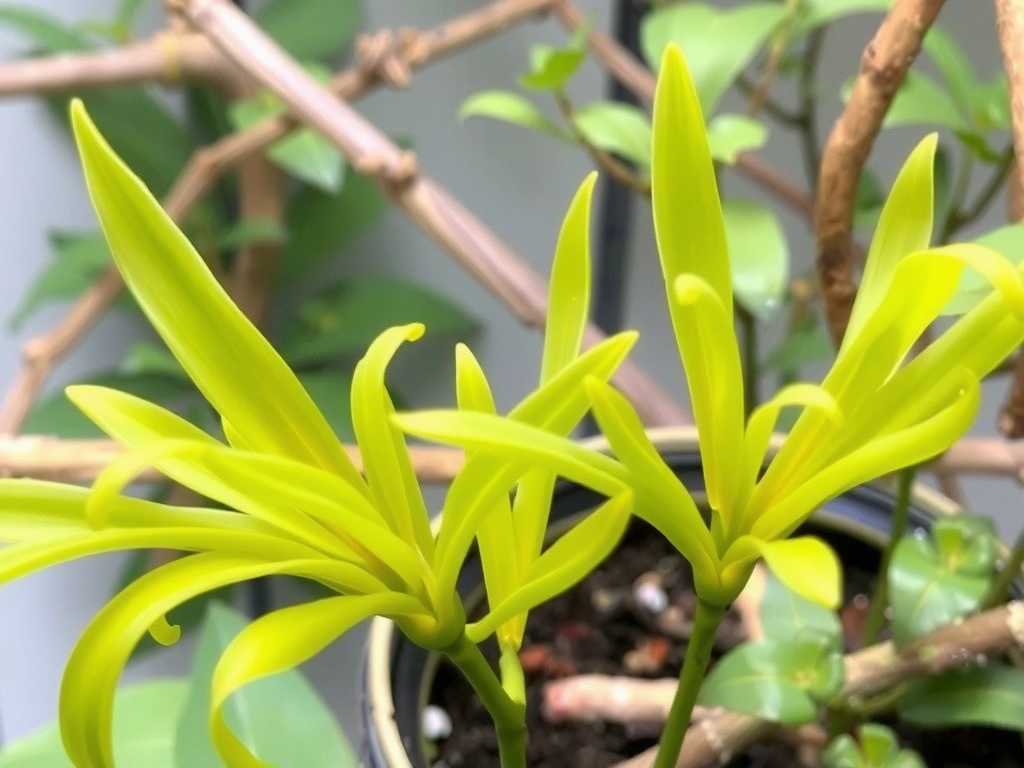
Before we dive into the how, let’s understand the why. Epiphytic bladderworts are not soil-rooted. They naturally grow on mossy bark or in leaf litter pockets in trees, absorbing moisture and nutrients from the air and rain. Their famous bladders, often microscopic, suck in tiny organisms from the surrounding moisture. According to the Carnivorous Plant Society, treating them like terrestrial, full-sun varieties is a primary cause of failure. Their need for consistent, high humidity and gentle light is non-negotiable.
My Setup for Success: Recreating a Forest Canopy
The goal is to build a stable, miniature biome. Here’s the exact setup I settled on after some trial and error.
Choosing the Right Foundation and Environment I use a shallow, wide terrarium or a cloche (a glass bell jar) as my primary vessel. Drainage is still key. My base layer is a shallow tray of sphagnum moss, kept permanently moist with distilled or rainwater. I never use tap water due to mineral content. On top of this, I place a piece of cork bark or tree fern fiber as the anchor. This is where the bladderwort will attach its stolons (runner-like stems).
Lighting is the most critical factor for epiphytic bladderwort in shaded areas. “Bright, indirect light” is the mantra. I placed my setup about 3-4 feet away from a north-facing window, which provides perfect, diffuse light all day. Under artificial lights, a low-wattage, full-spectrum LED grow light placed 12-18 inches above the terrarium for 10-12 hours a day works perfectly. Direct sun, even for an hour, can scorch the delicate foliage.
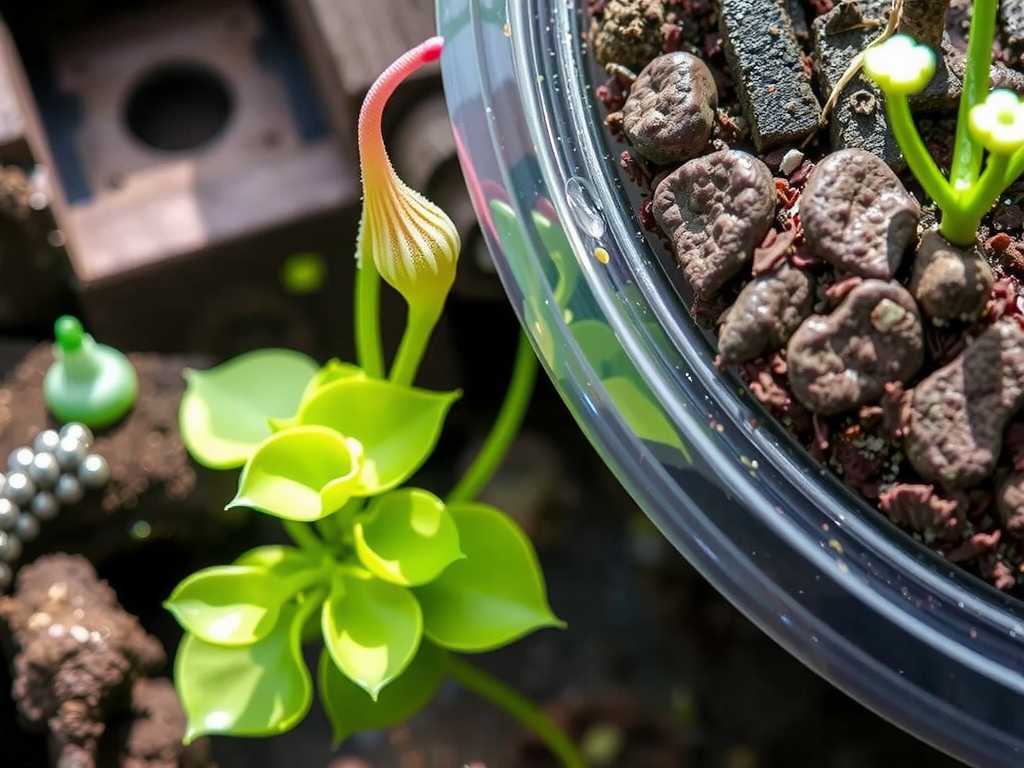
The Humidity and Watering Balancing Act Humidity must stay above 70%. My terrarium lid maintains this effortlessly. For open setups, a humidifier nearby is essential. I mist the air around the plant lightly with distilled water every morning, avoiding heavy spraying directly on the flowers. The moss base should feel like a damp sponge—consistently moist but never waterlogged. I check it daily by touch. During my two-week log, I found that letting the moss surface just begin to dry (but not the deeper layers) before re-moistening prevented any fungal issues.
Feeding and Nutrition: Letting Nature Work A major “aha!” moment was realizing I didn’t need to manually feed it. In a properly humid, established terrarium, microscopic organisms like springtails and microbes naturally colonize the moss. The bladderwort’s bladders actively catch these. I observed under a magnifying glass that plants in a “mature” setup had visibly more vigorous growth. If your setup is sterile, you can introduce a pinch of dried bloodworms (fish food) into the moist moss occasionally, but this is rarely needed. The American Horticultural Society emphasizes that over-feeding or using fertilizers is detrimental to carnivorous plants, as it disrupts their specialized nutrient uptake.
My Two-Week Observation Log and Troubleshooting
This is where theory met practice. I started with a small division of Utricularia alpina and tracked its progress.
- Days 1-3: Acclimation. The plant looked slightly wilted. I maintained high humidity and stable shade.
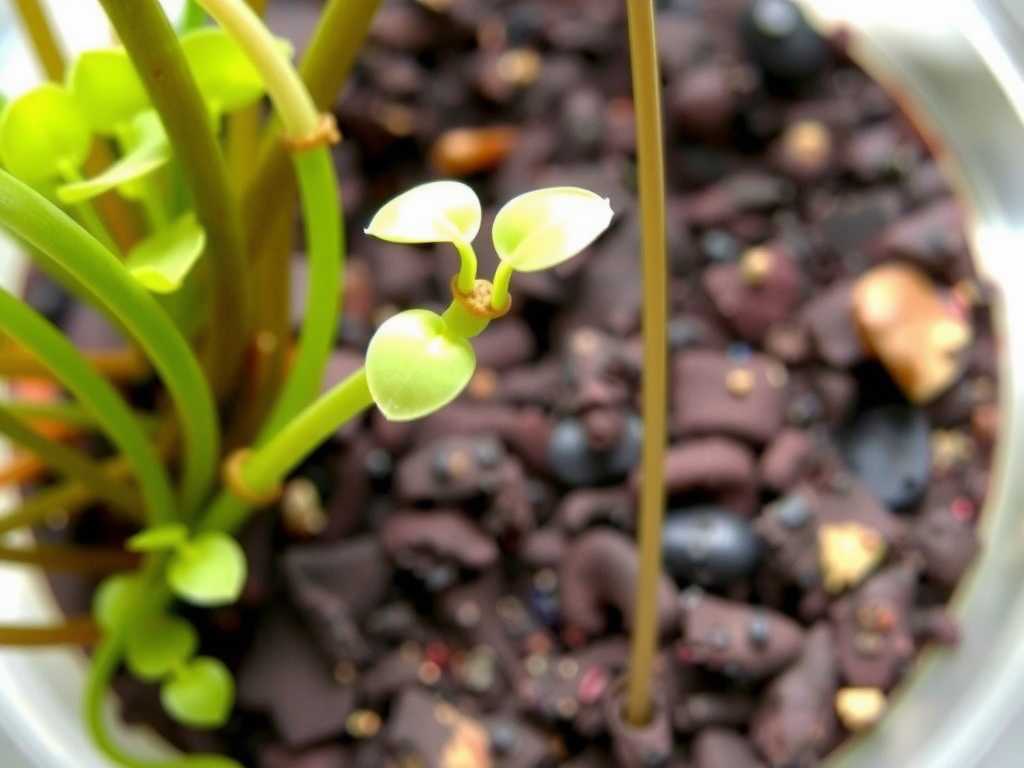
- Days 4-7: Stabilization. Wilting stopped. I noticed the first new, tiny green stolon beginning to creep over the cork bark.
- Days 8-14: Active Growth. The stolon growth accelerated. By day 14, it had formed a small network and even initiated a flower bud. The key was the unwavering stability of the shaded, humid environment.
The Pitfalls I Encountered (And How I Fixed Them)
- The Fungus Gnat Fiasco: Early on, I over-misted, creating soggy patches in the moss. This led to a fungus gnat outbreak. Solution: I reduced misting frequency, increased gentle air circulation by slightly propping open the terrarium lid for an hour daily, and introduced a few pieces of Mosquito Dunk (a Bacillus thuringiensis israelensis product) to the water reservoir. It’s safe for the plant and eliminated the larvae within days.
- The “Shade” Misunderstanding: I initially used a “shade cloth” but placed the terrarium in a room with strong ambient light. It was still too bright. Solution: I moved it to the north-facing window, which provided truly low-light conditions. Using a light meter app, I confirmed the intensity was in the 100-200 foot-candle range, ideal for cultivating bladderworts in low light.
- Wrong Water, Slow Decline: I used filtered water for the first week, not realizing my filter didn’t remove all minerals. The plant’s tips began browning. Solution: I immediately switched to distilled water. While the existing damage remained, all new growth was healthy.
Long-Term Maintenance and Seasonal Care Once established, care is minimal. I prune back excessive growth to keep it tidy. Every 12-18 months, I refresh the sphagnum moss base to prevent compaction and organic buildup. In winter, when indoor air becomes drier, I become more vigilant about humidity, sometimes moving the setup to a naturally more humid room like a bathroom with a window.
Frequently Asked Questions
Can I grow epiphytic bladderwort in a bathroom without a terrarium? It’s possible if your bathroom has a window providing bright, indirect light and sees very regular steam from showers, creating sustained high humidity. However, for guaranteed stability, especially in drier climates, a terrarium or cloche is far more reliable. My success rate skyrocketed once I used an enclosed environment.
How do I know if the shade is too deep? The plant will tell you. If it’s not producing flowers and the growth becomes extremely elongated, sparse, and pale green (etiolated), it needs slightly more light. Move it incrementally closer to a light source or increase the duration of artificial light by an hour. Remember, the change must be gradual.
What are the best companion plants in a shaded bladderwort terrarium? Other humidity-loving, shade-tolerant plants that won’t outcompete it are ideal. I’ve had great success with miniature orchids (like some Pleurothallis), certain mosses, and small ferns. They create a beautiful, naturalistic miniature landscape and help stabilize the microclimate. Ensure any companions have similar water and light needs to avoid creating a suitable habitat for shade-loving epiphytic plants that only suits one inhabitant.
Growing epiphytic bladderwort in the shade is a lesson in subtlety and observation. It forgoes the drama of Venus flytraps for a quiet, intricate beauty. By focusing on impeccable water quality, unwavering high humidity, and truly gentle light, you’re not just keeping a plant alive—you’re curating a fragment of a cloud forest. The reward is watching those delicate, orchid-like flowers bloom on a vine that quietly hunts in the moisture around it, a perfect paradox thriving in its sheltered, shaded world.

发表评论