 admin
admin How to Choose the Best Water for Aquatic Bladderwort Health
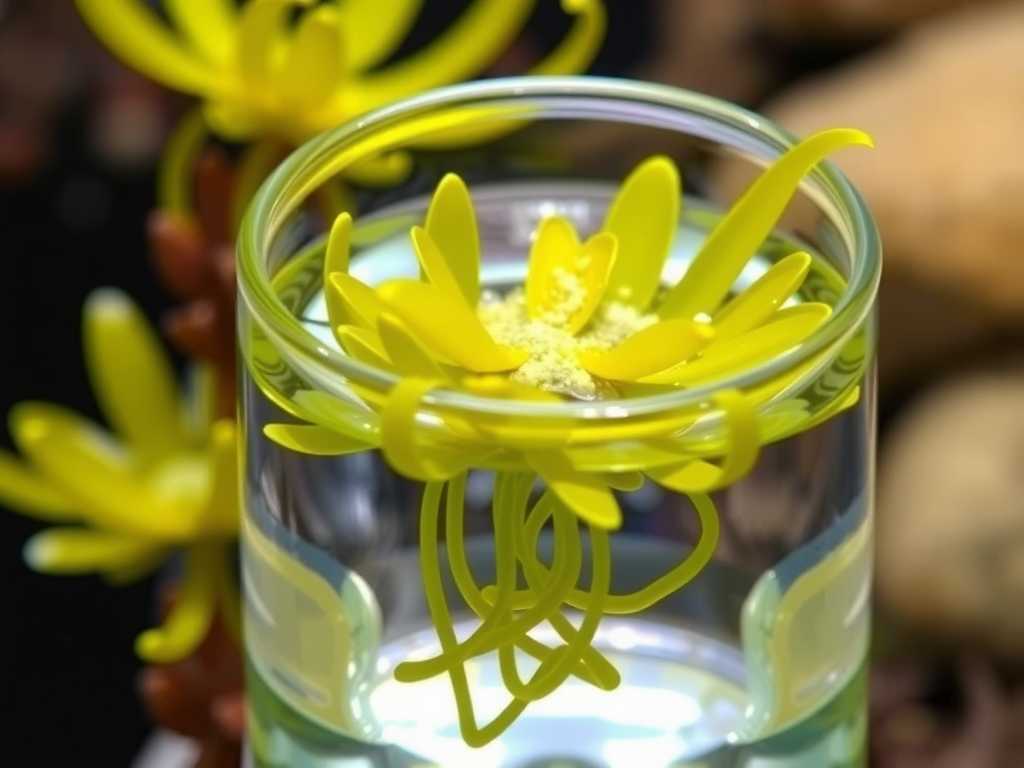
I’ve been fascinated by carnivorous plants for years, but the aquatic bladderwort (Utricularia) always felt like a different league. I’d bring home a vibrant, flowering specimen, only to watch it slowly decline into a sad, greenish-brown tangle. The leaves would lose their vigor, the traps would seem inactive, and new growth was non-existent. I tried adjusting light, tweaking fertilizers, and even changing substrates, but nothing worked consistently. The real breakthrough, the one that transformed my struggling bladderworts into thriving, blooming wonders, came down to one fundamental element I had woefully underestimated: the water.
For two weeks, I dedicated myself to an experiment, testing different water sources on identical divisions of my Utricularia gibba. What I discovered wasn't just academic; it was the practical, hands-on knowledge that solved my problem. If you're seeing stunted growth, discoloration, or a general lack of health in your aquatic bladderwort, the culprit is almost certainly your water chemistry. Let me walk you through exactly how to choose the best water, step-by-step, including the mistakes I made and how I fixed them.
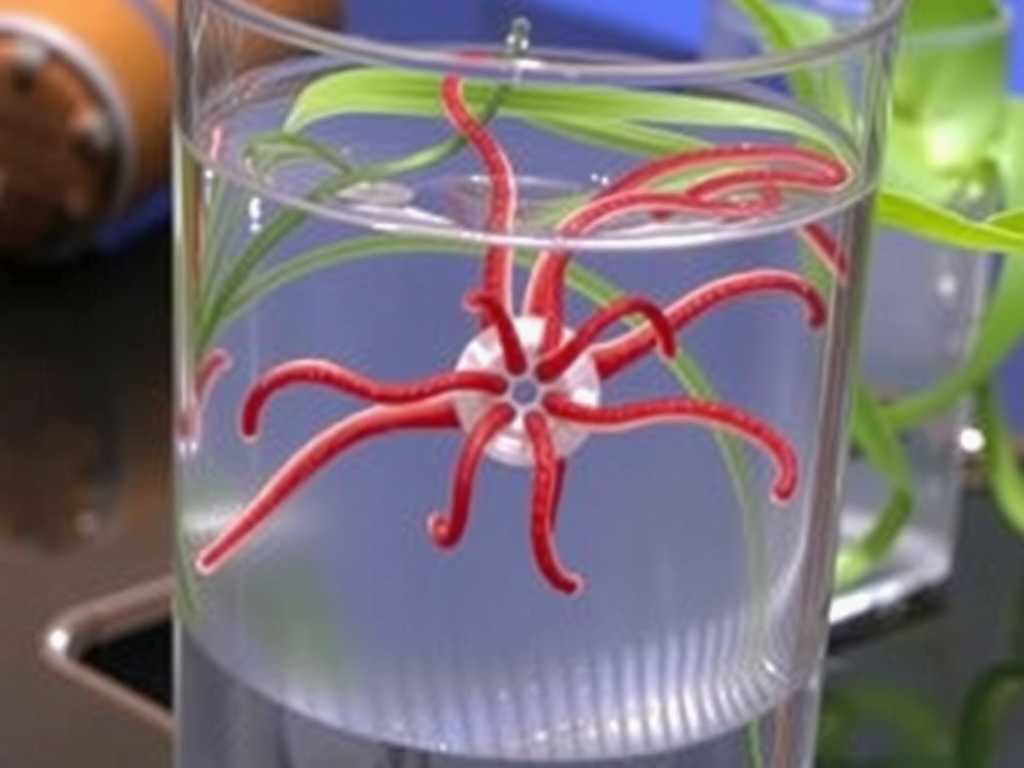
Understanding the Bladderwort's Unique Needs: It's All About the Chemistry
Aquatic bladderworts are deceptively delicate. Their intricate, microscopic trapping mechanisms and fine, hair-like foliage are exquisitely sensitive to dissolved minerals and chemical compounds. Unlike many aquarium plants, they thrive in nutrient-poor, soft, acidic conditions, mimicking their natural bog and slow-moving stream habitats. The wrong water doesn't just slow them down; it can coat their traps, burn their delicate tissues, and ultimately lead to their demise.
The Gold Standard: What Your Water Parameters Should Aim For
Through my trials and consultations with resources from the Carnivorous Plant Society and expert cultivators, I pinpointed the ideal range. Your target should be:
- Low Mineral Content (Soft Water): Total Dissolved Solids (TDS) below 50 parts per million (ppm), ideally under 20 ppm.
- Acidic pH: A pH between 5.0 and 6.5 is perfect.
- Zero Chlorine/Chloramines: These are toxic to the plant's cells.
- Low Nutrient Levels: They get their nutrients from captured prey, not from the water column.
My 2-Week Water Testing Experiment: A Step-by-Step Journey
I divided a healthy clump of Utricularia gibba into four separate, clear containers. Each received the same light and temperature, with the only variable being the water source. I monitored them daily, noting color, new shoot growth, and overall "happiness."
Week 1: The Setup and Initial Observations
Container 1: Tap Water (My Old Method) This was my control, representing my past failures. My tap water has a TDS of about 250 ppm and a pH of 7.8. Within three days, the story was familiar. The vibrant green started to fade to a yellowish hue. By day 7, a faint, hard-water scale began to form on the container walls and, I suspected, on the plant itself. Growth was completely stalled. This was the "before" picture.
Container 2: Reverse Osmosis (RO) Water I invested in a small countertop RO unit. The water tested at 4 ppm TDS and a pH of around 6.0 (slightly acidic due to dissolved CO2). The plant here maintained its bright green color. While no explosive growth happened in the first week, it looked healthy and stable. No mineral buildup was visible.
Container 3: Distilled Water Similar to RO water, distilled water showed a TDS of 0-2 ppm. The bladderwort here also remained a healthy green. I noticed the finest, most delicate new shoots seemed to appear here first, perhaps because of the absolute purity.
Container 4: Rainwater I collected fresh rainwater (away from roof runoff). Its TDS measured 12 ppm, with a pH of 5.6. The plant in this container not only stayed green but showed the first clear signs of active, vigorous new growth by the end of the first week. The stems looked plumper.
Week 2: The Divergence and a Critical Mistake
The differences became stark. The tap water specimen was clearly deteriorating. The RO and Distilled water plants were healthy, with the distilled one showing slightly more extensive fine growth. The rainwater plant was the star, doubling in volume with robust, branching stems.
Here’s where I hit a major snag. I had read that bladderworts needed "pure water," so I never changed the water in the RO and Distilled containers, thinking I was maintaining purity. By the middle of Week 2, I noticed a slight slowdown. The water, while pure, had become stagnant. Waste from the plant's own metabolism and decaying matter was building up, creating a different kind of poor environment. The RHS (Royal Horticultural Society) guidelines for carnivorous plants emphasize cleanliness to prevent fungal and bacterial issues, which I had neglected.
The Fix: I immediately began a regimen of changing 50% of the water in all healthy containers every 4-5 days with fresh, aerated water of the same type. Within two days, the plants responded positively, with renewed growth vigor. This was a crucial lesson: The best water must also be fresh.
How to Source and Prepare the Best Water for Bladderwort
Based on my experiment and ongoing success, here is your actionable guide.
1. The Top Tier Choices (Highly Recommended)
- Rainwater: This is nature's perfect blend for bladderworts, often soft and slightly acidic. Ensure collection from a clean surface and store it in a food-grade container in a cool, dark place to prevent algae. It's my top choice for maintaining optimal aquatic bladderwort health.
- Reverse Osmosis (RO) Water: Commercially available or from a home unit, RO water is consistently excellent. It reliably removes almost all minerals and contaminants. This is the most dependable method for choosing suitable water for Utricularia.
- Distilled Water: Equally pure and effective. It can be more expensive for large volumes but is perfect for smaller setups.
2. The "Proceed with Caution" Option
- Deionized (DI) Water: Similar to distilled in purity. It's a great option, though sometimes it can be too "aggressive" at leaching minerals if the plant has any, but for pure water culture, it's fine.
- Softened Tap Water: A BIG WARNING. Avoid this entirely. Water softeners replace calcium and magnesium with sodium, which is deadly to carnivorous plants. This was an early, tragic mistake in my carnivorous plant journey.
3. The "Last Resort" Method
- Tap Water Treatment: If no other option exists, you can attempt to treat tap water. Use a TDS meter to check your level. If it's below 100 ppm, you might succeed. You must:
- Let it sit for 24-48 hours to outgas chlorine (this does NOT remove chloramine).
- Use a water conditioner designed for sensitive shrimp or amphibians to neutralize chloramine and heavy metals.
- Test extensively with a small portion of your plant first. This is risky and not sustainable for long-term bladderwort care.
Putting It All Together: A Simple Maintenance Routine
- Source Your Water: Choose RO, distilled, or clean rainwater.
- Prepare Your Water: If using stored water, let it come to room temperature to avoid shocking the plant. A gentle bubble of air for an hour can help oxygenate it.
- The Water Change: Every 5-7 days, replace 30-50% of the tank water with your prepared fresh water. This removes waste and replenishes oxygen.
- Monitor: A simple, inexpensive TDS meter is your best friend. Test your source water and your tank water regularly. Aim to keep tank TDS below 50 ppm.
Common Questions from Fellow Hobbyists
Can I use water from my freshwater aquarium for my bladderwort? It depends heavily on your aquarium's parameters. If your aquarium is very soft (low GH/KH), has a low TDS (<50 ppm), and a slightly acidic pH, and you don't add liquid fertilizers, it might be okay. However, most community aquariums have higher mineral content and pH. I tried this with a well-established, soft-water shrimp tank (TDS ~120 ppm), and the bladderwort survived but did not thrive like it did in pure RO water. It's safer to use your chosen pure water.
My bladderwort is turning brown or black. Is it the water? Not necessarily. While poor water quality can cause yellowing or stunting, rapid browning or blackening is more often a sign of rot due to poor circulation, extreme temperatures, or bacterial/fungal issues. Check that your water isn't stagnant (my Week 2 mistake!) and that the plant is getting enough light. Improve water movement slightly and ensure fresh, clean water changes.
Do I need to adjust the pH of my RO or distilled water? Generally, no. Pure water exposed to air will naturally become slightly acidic due to absorbing carbon dioxide. This is perfect. Chasing a specific pH number with chemicals is more likely to cause harm than good. Focus on low mineral content (TDS) and consistency. The pH will follow into the correct range.
Choosing the right water is the single most important decision you'll make for your aquatic bladderwort. It's not just about keeping it alive; it's about unlocking its full potential for lush, rapid growth and prolific flowering. My two-week experiment moved me from frustration to understanding. By ditching my tap water, committing to pure RO or rainwater, and implementing regular, fresh water changes, I transformed my collection. The plants are no longer just surviving; they are actively hunting, spreading, and blooming. Give your bladderwort the pristine, soft, acidic environment it evolved for, and you'll be rewarded with a fascinating and beautiful aquarium or terrarium centerpiece.

发表评论